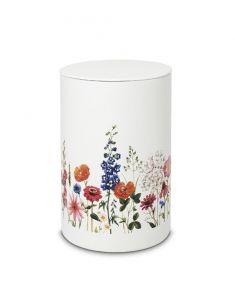
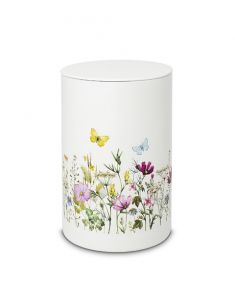
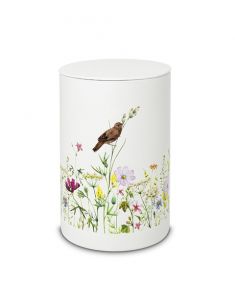
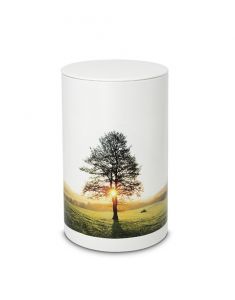
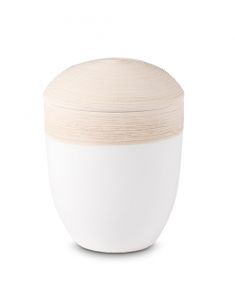
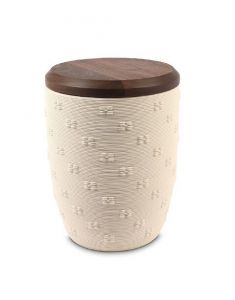
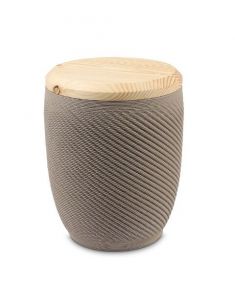
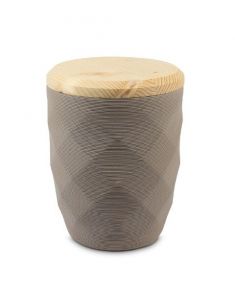
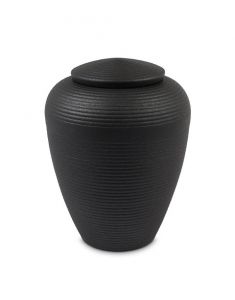
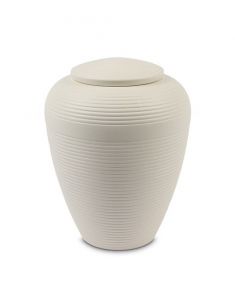
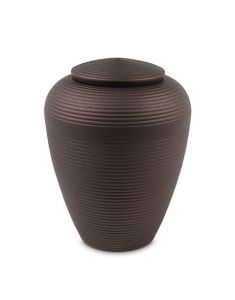
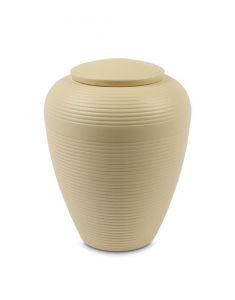
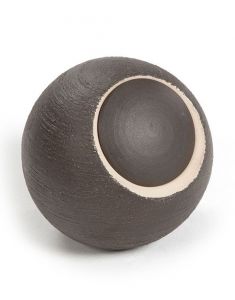
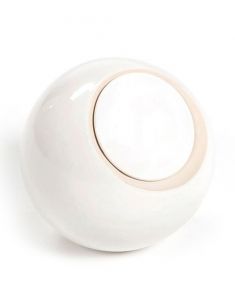
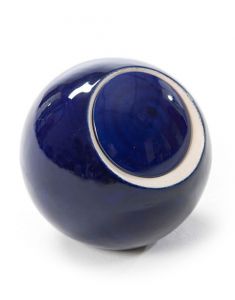
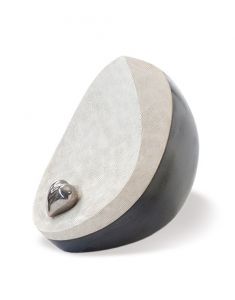
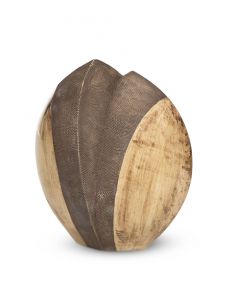
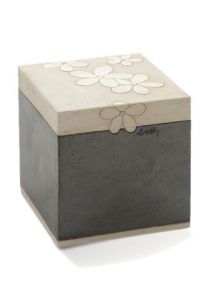
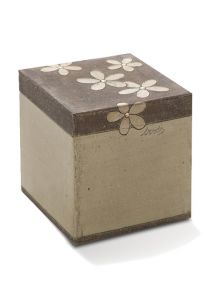
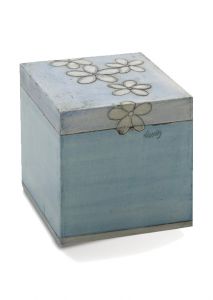
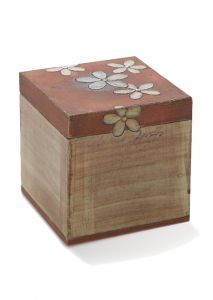
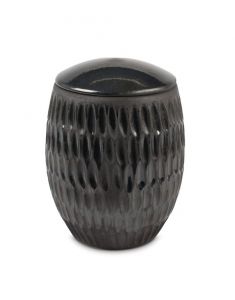
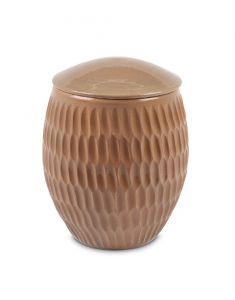
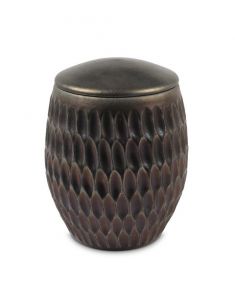
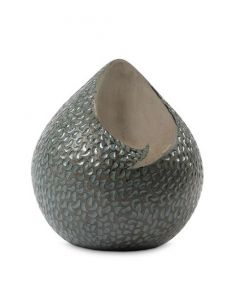
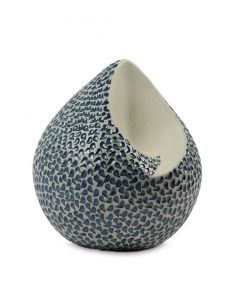
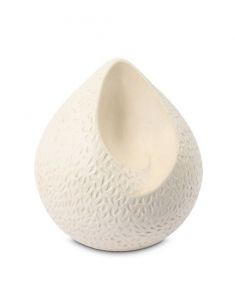
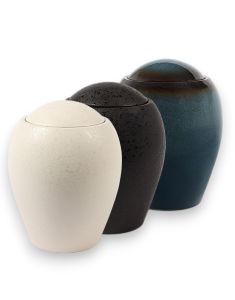
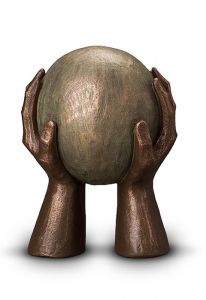
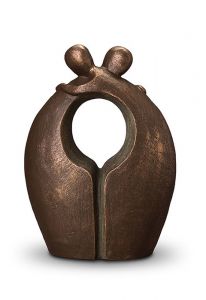
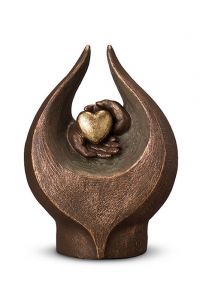
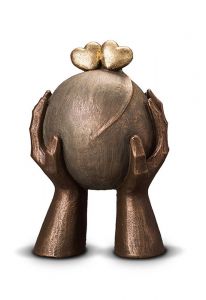
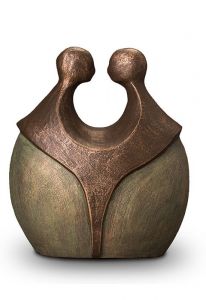
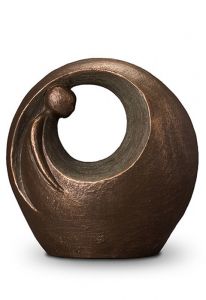
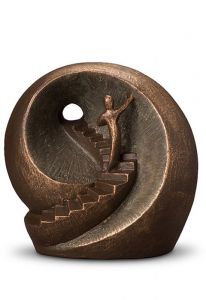
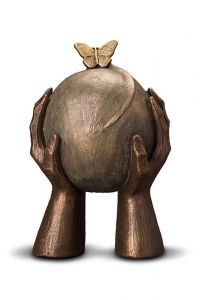
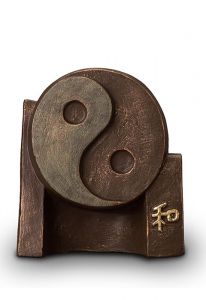
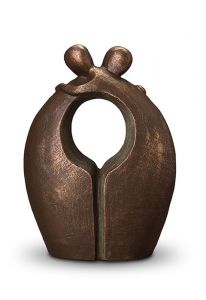
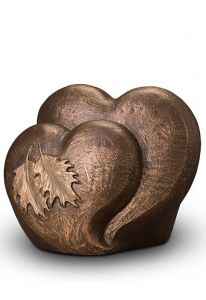
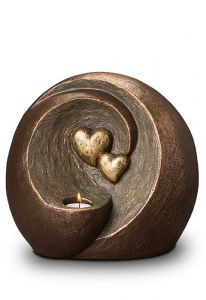
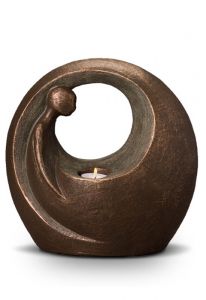
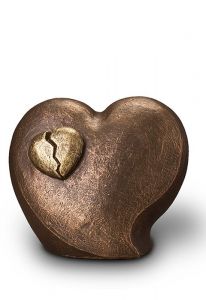
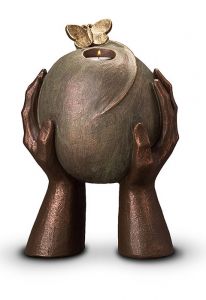
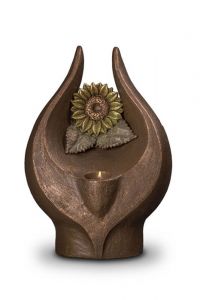
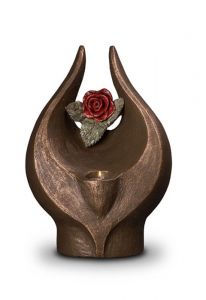
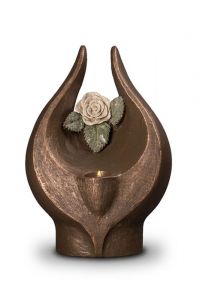
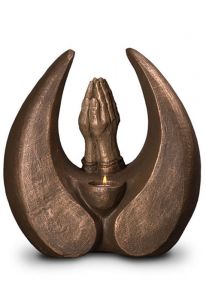
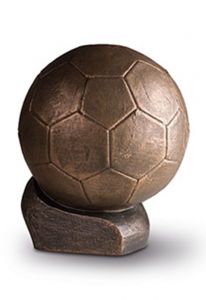
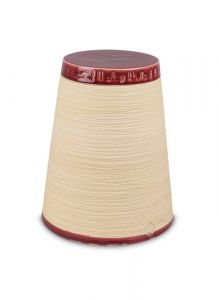
Ceramic urns for ashes, handcrafted
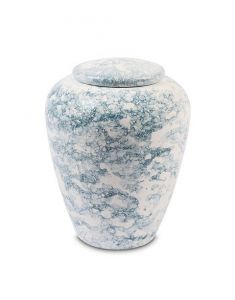
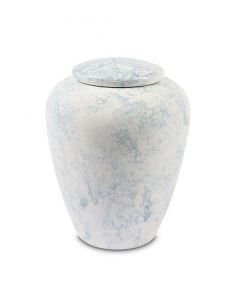
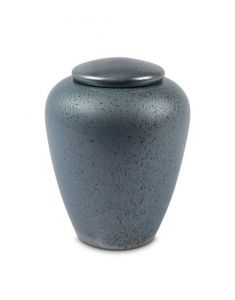
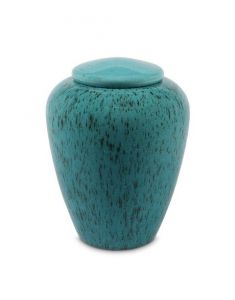
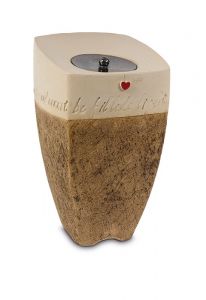
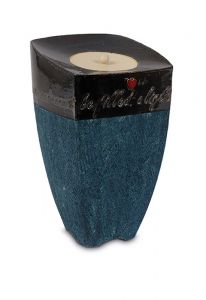
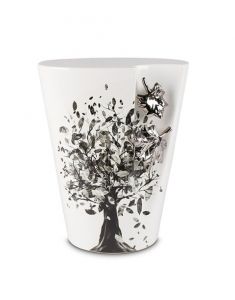
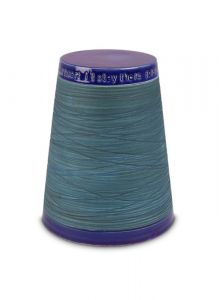
A ceramic urn for ashes is often chosen for its handmade character, soft appearance and wide variety of colours, shapes and finishes. Ceramic can feel warm, personal and artistic, making it a meaningful choice for families who want an urn that feels more like a carefully made memorial object than a standard container.
Within our wider collection of cremation urns for ashes, ceramic urns are often chosen for their colour, glaze, form and handmade character. Our ceramic cremation urns include classic forms, modern designs, symbolic shapes and pieces created or finished with attention to detail.
Some families choose ceramic because of the colour or glaze. Others are drawn to the craft, the natural material or the way a ceramic urn can fit quietly into a home memorial space. The right ceramic urn should feel appropriate to the person being remembered and practical for the place where the ashes will be kept.
Important to know: ceramic urns are generally best suited to indoor or protected placement unless the product is clearly described as suitable for outdoor use. Ceramic can be strong and scratch resistant, but it can also break if dropped. If you are considering burial, outdoor placement or a columbarium niche, always check the product details and the requirements of the cemetery, crematorium, columbarium or burial ground first.
Best suited for: indoor display, home memorial spaces, columbarium niches where dimensions allow, artistic designs and families who value colour, glaze and handmade character.
Consider another material if: the urn will be handled often, placed outside permanently, buried in damp ground or kept in a busy household with a high risk of knocks or falls. For long-term outdoor placement, view our outdoor cremation urns for ashes.
Why choose a ceramic cremation urn?
Ceramic urns for ashes are often chosen when appearance, craft and atmosphere matter. The material allows for many different styles, from simple and understated urns to sculptural pieces, soft glazes, modern colours and more artistic designs.
A ceramic urn may suit someone who appreciated art, interiors, handmade objects, colour, nature-inspired forms or a softer style of memorial. It can also be a good choice when the urn will be kept at home and the family wants it to blend respectfully with the room.
If you are still comparing materials, our guide to the best urn materials for cremated ashes may help you compare ceramic with wood, metal, bronze, stainless steel, natural stone, glass and biodegradable urns.
Handmade ceramic urns and artisan finishes
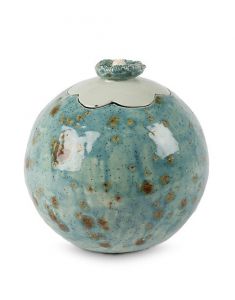
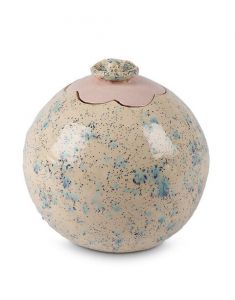
Many ceramic urns are made or finished by skilled artisans. This can give each urn a more individual character than a mass-produced object. Small variations in colour, glaze, texture or finish are often part of the charm of handmade ceramic.
The handmade quality can be especially meaningful when the urn will be displayed at home. A ceramic urn may feel like a piece of art, a quiet sculpture or a personal object of remembrance. Some designs are simple and minimal, while others include symbolic forms, soft curves, natural textures or more expressive colours.
Because ceramic is shaped, fired and finished in different ways, two urns that look similar can still differ in weight, glaze, texture and suitability. Always read the product description carefully, especially if the urn will be placed outside the home, placed in a columbarium niche or handled regularly.
Ceramic colours, glazing and design choices
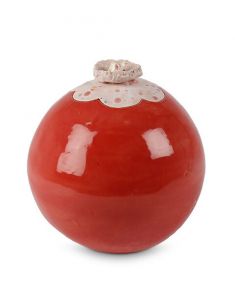
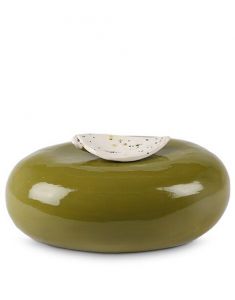
One of the main reasons families choose ceramic is the range of colours and glazes. Ceramic can be matt, glossy, softly textured, richly coloured, neutral, modern or traditional. This makes it easier to choose an urn that reflects the person being remembered or the place where the urn will be kept.
Choosing the right ceramic urn style
| Design feature |
What it can express |
What to consider |
| Soft neutral colours |
Calm, simplicity and quiet remembrance. |
Often suitable for subtle home display and peaceful interiors. |
| Deep or rich colours |
Warmth, strength, personality or a more distinctive memorial. |
Choose a colour that feels appropriate in the room or memorial space. |
| Glossy glaze |
Light, reflection and a refined finish. |
Gloss can show fingerprints or dust more quickly and should be cleaned gently. |
| Matt or textured finish |
Naturalness, softness and a handmade feeling. |
Textured surfaces may need more careful dusting. |
| Sculptural shape |
Symbolism, art, love, nature or a personal story. |
Check stability, capacity and how the urn opens or closes. |
Some ceramic urns can also be personalised with a name, date, short text, symbol or small design, depending on the shape and finish. If you have a specific idea, read more about our custom-made urns and memorials.
Are ceramic urns suitable for home display?
Yes, ceramic urns are especially suitable for home display when placed in a stable and protected location. A ceramic urn can sit on a mantelpiece, shelf, sideboard, cabinet or dedicated remembrance table. Its colour, shape and finish can make it feel like part of the home rather than a purely funerary object.
Because ceramic can break if dropped, placement matters. Avoid busy shelf edges, narrow surfaces, areas where children or pets may knock the urn, and locations where the urn will be moved frequently. If the urn will remain in a quiet space, ceramic can be a beautiful and lasting choice.
If you want to compare ceramic with other indoor materials, you may also wish to view our wooden urns, metal urns or keepsake urns.
Is ceramic strong enough for an urn?
Ceramic is a suitable and well-established material for urns. It can be durable, stable and resistant to everyday surface scratches when treated with care. Many families choose ceramic because it combines practical function with a softer, more artistic appearance.
The main limitation is impact. Ceramic is more brittle than materials such as bronze, stainless steel or natural stone. If a ceramic urn falls from a shelf or is struck against a hard surface, it may crack or break. This is why careful placement is important.
If you have a busy household, young children, pets or a location where the urn may be handled often, you may prefer a stronger material such as natural stone, stainless steel, bronze or a well-constructed wooden urn.
How long do ceramic urns last?
A ceramic urn can last for a very long time when it is kept in the right conditions. Ceramic is a fired material and, when handled with care, it can remain stable for many years as an indoor memorial urn.
The lifespan of a ceramic urn depends mainly on placement and handling. Indoors, away from damp, frost, direct impact and frequent movement, ceramic can be a lasting and beautiful choice. The main risk is not normal ageing, but accidental damage, such as dropping the urn or knocking it against a hard surface.
If the urn will be placed outside, buried or kept in a damp environment, the expected lifespan depends on the type of ceramic, firing temperature, glaze, construction and whether the product is clearly described as suitable for that use. For long-term outdoor placement, always check the product details and consider whether a material such as natural stone, bronze or stainless steel may be more appropriate.
Can ceramic urns be buried?
A ceramic urn may be suitable for burial in some situations, but it depends on the product, the cemetery or burial ground rules and whether additional protection is required. Many ceramic urns are primarily intended for home display or columbarium placement rather than burial in soil.
If you wish to bury a ceramic urn, check whether the urn is described as suitable for burial or outdoor placement. Ask the cemetery, burial ground or funeral director whether ceramic urns are accepted and whether an urn vault or ash bag is recommended.
- Check whether the urn is suitable for burial, outdoor placement or only indoor display.
- Ask the cemetery or burial ground about material, size and closure requirements.
- Consider using an ash bag inside the urn for extra protection of the ashes.
- Be aware that long-term moisture, frost and soil conditions can affect ceramic over time.
- If natural burial is planned, check whether ceramic is accepted. Many natural burial grounds prefer or require biodegradable materials.
If burial is your main intention, a biodegradable urn, natural stone urn, stainless steel urn or bronze urn may sometimes be more practical, depending on the cemetery or burial ground.
Are ceramic urns suitable for a columbarium niche?
Ceramic urns can often be placed in a columbarium niche, provided the urn fits and the crematorium, cemetery or columbarium accepts the material and shape. The most important points are the external height, width and depth of the urn.
Some ceramic urns have rounded, sculptural or wider shapes that may not fit every niche. Before ordering, measure the niche or ask the crematorium or cemetery for the exact permitted dimensions. Also check whether the niche will be sealed, visible behind glass or opened in the future, as this may influence the type of urn you choose.
How are ceramic urns filled and sealed?
The filling and sealing method depends on the model. Some ceramic urns have a lid at the top, while others have a base opening, stopper, screw closure or another closing system. Many ceramic urns can be sealed with a suitable sealant if the family wants a more permanent closure.
If you are not comfortable filling the urn yourself, you can ask the funeral director, crematorium or another professional to help. You may also find our step-by-step guide How to fill a cremation urn for ashes helpful before deciding whether to fill the urn yourself or ask for assistance.
Always follow the product instructions for the specific urn. If sealant is supplied, check the drying time and apply it carefully according to the guidance. Do not force a ceramic lid, stopper or closure, as this may damage the urn.
What size ceramic urn do I need?
The correct size depends on whether the urn needs to hold all ashes, a companion amount, a child’s ashes, pet ashes or only a smaller keepsake portion. A standard adult urn often holds around 3 to 3.5 litres, or approximately 183 to 213 cubic inches, but the exact capacity should always be checked on the product page.
If you are unsure, use our urn size calculator and size guide, or ask the funeral director, crematorium or our team for help. If the urn will be placed in a columbarium niche, check both the capacity and the external dimensions.
Ceramic urns and outdoor placement
Not every ceramic urn is suitable for outdoor placement. Rain, frost, damp conditions, temperature changes and accidental impact can affect ceramic, especially if the urn was made primarily for indoor display.
If you want to place an urn outside, choose a product that is clearly described as suitable for outdoor use. Product suitability matters more than the material name alone. Some high-fired or specially finished ceramic urns may be suitable for protected or outdoor placement, but this should always be stated in the product details.
For permanent outdoor use, you may also want to compare outdoor cremation urns, including selected bronze, stainless steel, granite, natural stone or outdoor-suitable ceramic urns.
Frequently asked questions about ceramic urns
Are ceramic urns good for ashes?
Yes, ceramic urns can be a good choice for ashes when they are made for cremated remains and placed in a safe, stable location. They are especially suitable for home display and personal memorial spaces.
Are ceramic urns handmade?
Many ceramic urns are handmade or finished by artisans, but this can differ per product. Handmade ceramic urns may show small variations in colour, glaze, texture or finish, which often adds to their individual character.
Are ceramic urns fragile?
Ceramic urns can be durable in normal use, but they are more brittle than metal, bronze, stainless steel or natural stone. If dropped or struck against a hard surface, a ceramic urn may crack or break.
How long do ceramic urns last?
A ceramic urn can last for many years when kept indoors in a dry, stable and protected place. Ceramic does not usually wear out quickly in normal indoor use, but it can crack or break if dropped, knocked over or exposed to unsuitable outdoor conditions.
Can a ceramic urn be kept at home?
Yes. Ceramic urns are often chosen for home display because of their colour, shape and artistic character. Place the urn on a stable surface and avoid locations where it may be knocked, moved frequently or reached by children or pets.
Can a ceramic urn be buried?
Sometimes, but this depends on the ceramic urn and the cemetery or burial ground rules. Many ceramic urns are intended mainly for indoor display or columbarium placement. Always check product suitability and cemetery requirements before burial.
Can ceramic urns be placed outside?
Only if the product is clearly described as suitable for outdoor placement. Ordinary indoor ceramic urns are not necessarily suitable for rain, frost, damp ground or long-term outdoor exposure.
Can a ceramic urn go in a columbarium niche?
Often this is possible, but the external dimensions are important. Measure the niche or ask the crematorium, cemetery or columbarium for the exact permitted size before choosing a ceramic urn.
How do you seal a ceramic urn?
The sealing method depends on the model. Some ceramic urns have a lid, stopper, base opening or screw closure. A suitable sealant may be used if a permanent closure is desired. Always follow the product instructions.
What is the difference between ceramic and porcelain urns?
Porcelain is a refined type of ceramic material. Porcelain urns often have a smoother, more delicate appearance, while ceramic urns can include a wider range of handmade textures, glazes, colours and sculptural forms.
What size ceramic urn do I need?
The size depends on the amount of ashes and whether the urn is for all ashes or a smaller keepsake portion. Use the urn size guide or ask the funeral director, crematorium or our team if you are unsure.
Need help choosing a ceramic urn?
Choosing a ceramic urn for ashes is a personal decision, but there are practical details that matter: capacity, colour, finish, fragility, sealing, indoor placement, cemetery suitability and whether the urn will be kept at home, placed in a niche or buried.
You may also find our information and advice about cremation ashes and urns helpful if you are still comparing urn size, placement, filling, materials or memorial options.
If you have questions about a specific ceramic urn, personalisation, capacity or placement, please contact legendURN. We will be happy to help you compare the options calmly and carefully.

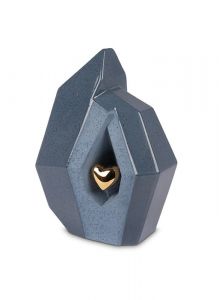
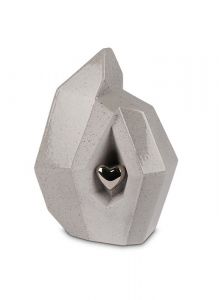
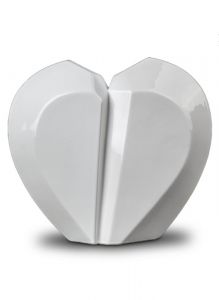
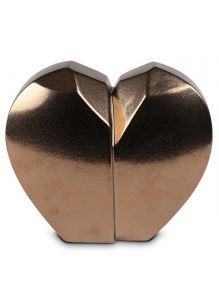
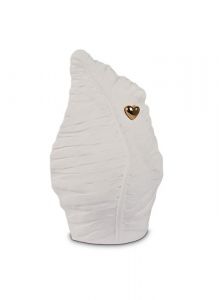
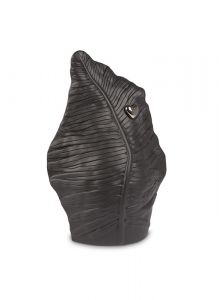
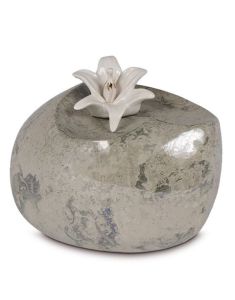
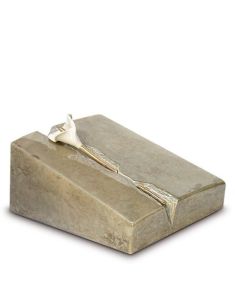
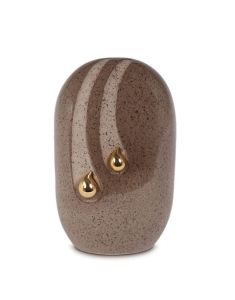
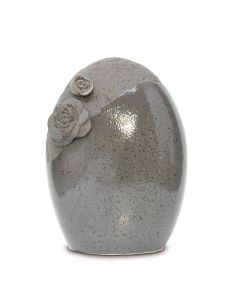
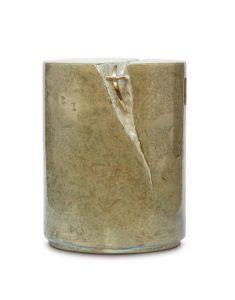
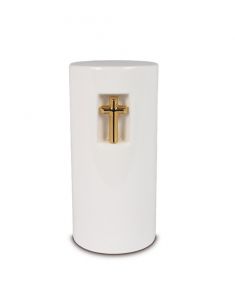
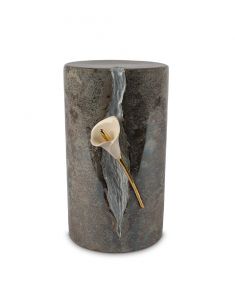
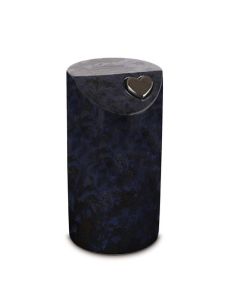
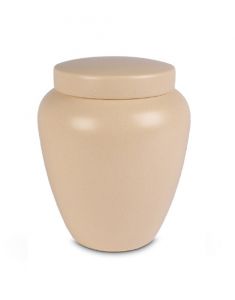
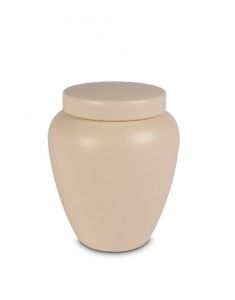
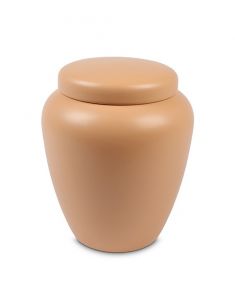
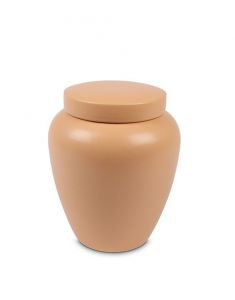
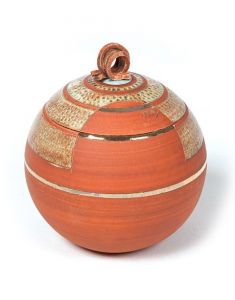
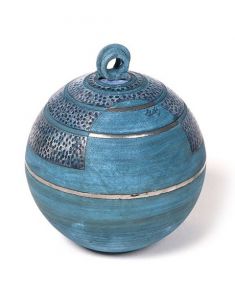
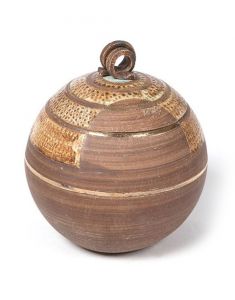
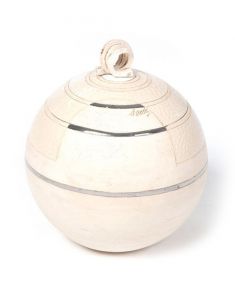
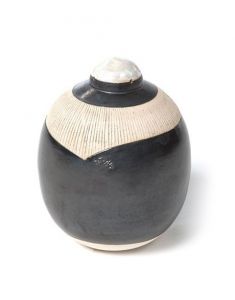
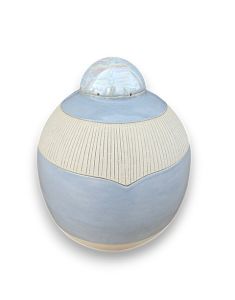
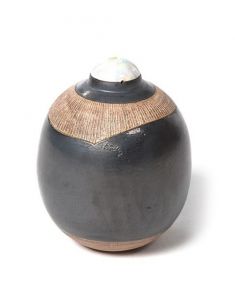
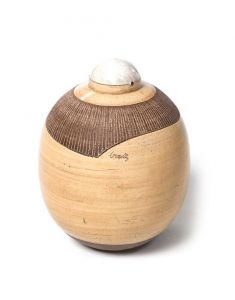
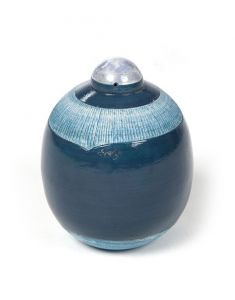
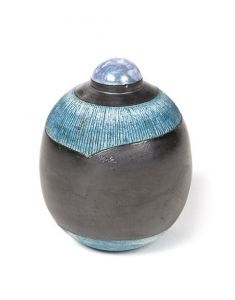
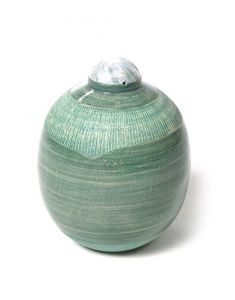
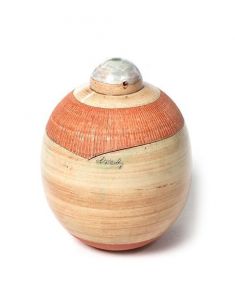
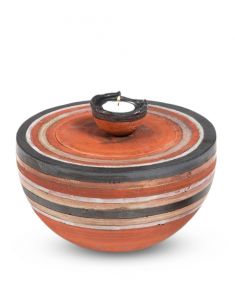
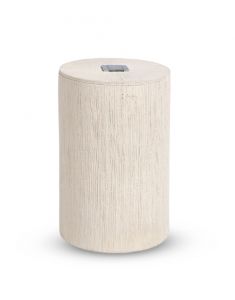
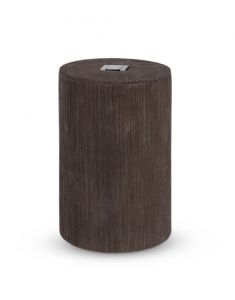
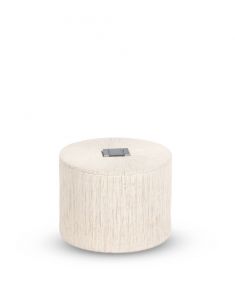
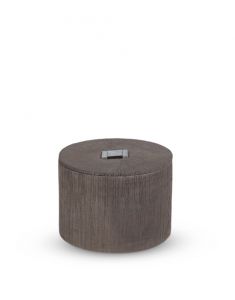
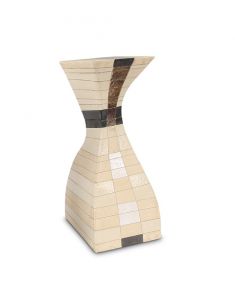
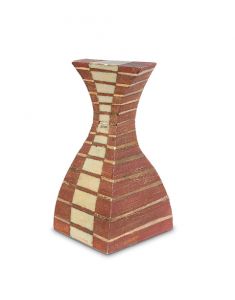
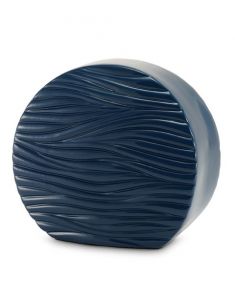
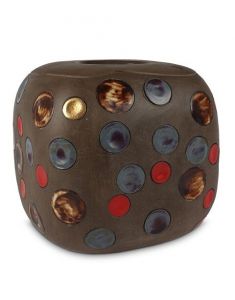
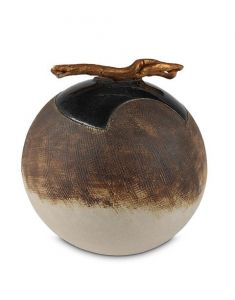
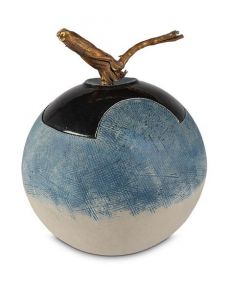
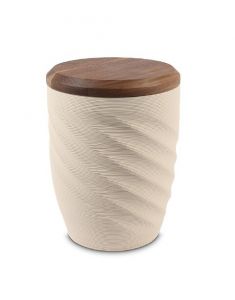
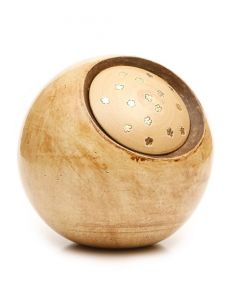
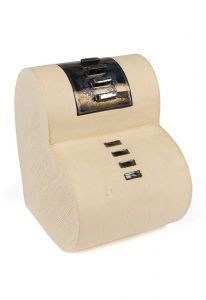
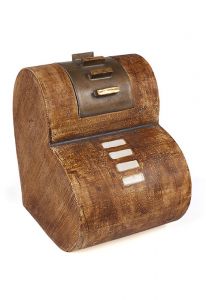
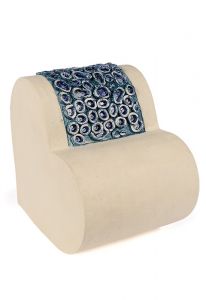
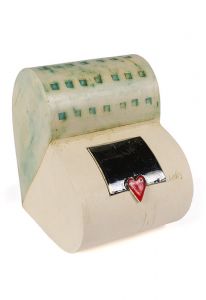
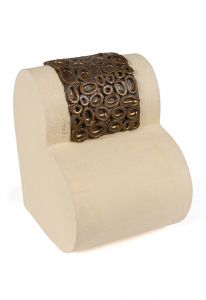
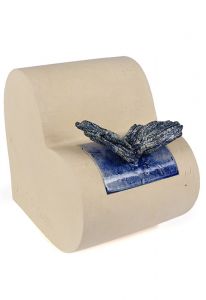
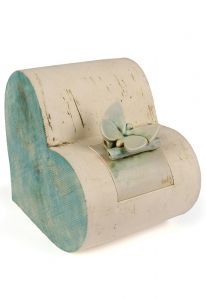
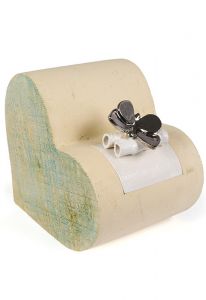
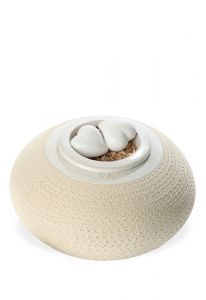
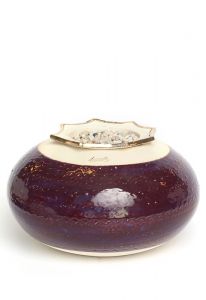
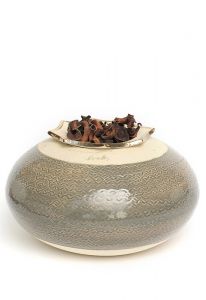
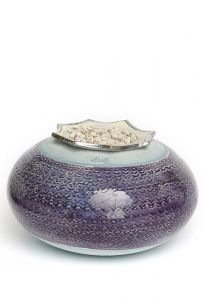
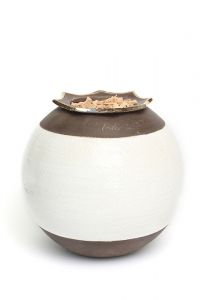
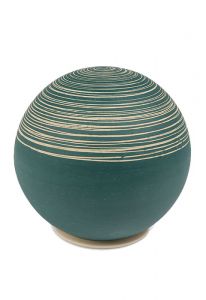
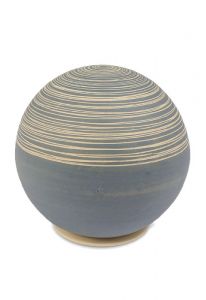
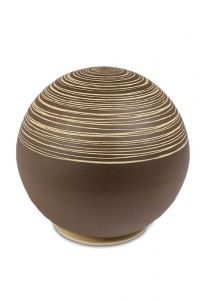
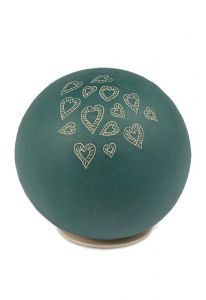
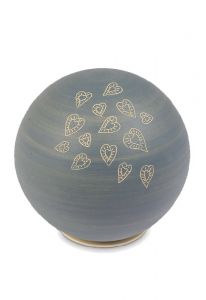
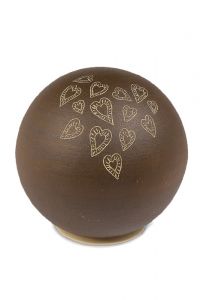
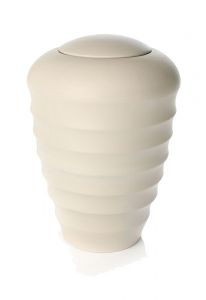
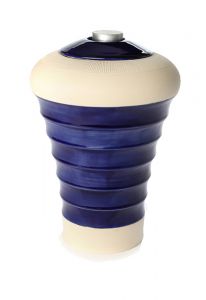
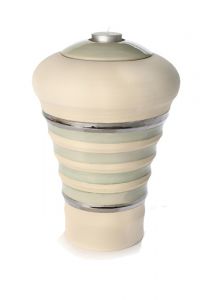
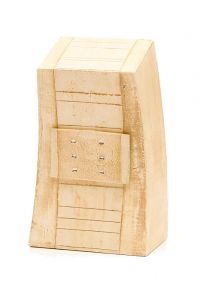
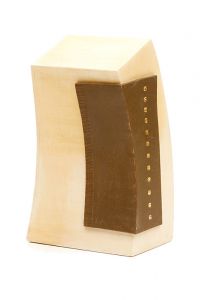
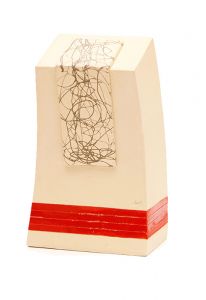
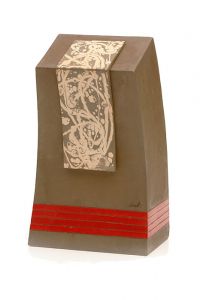
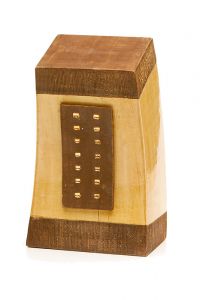
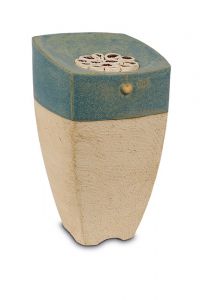
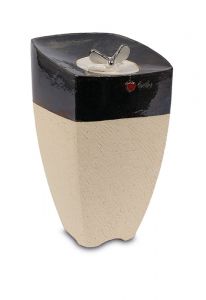
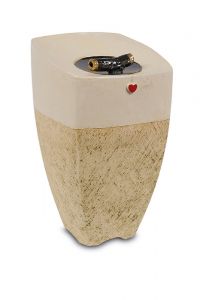
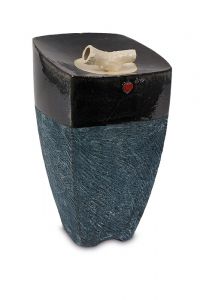
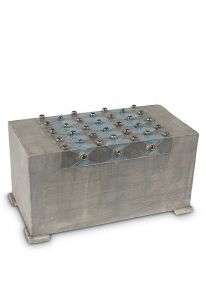
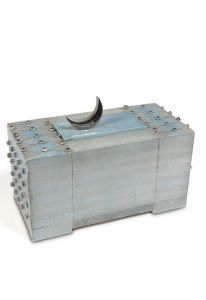
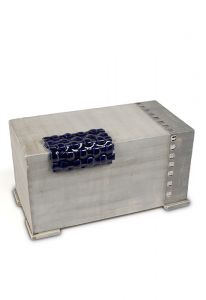
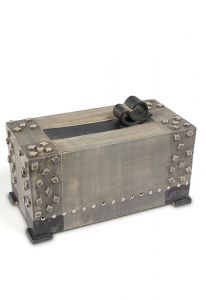
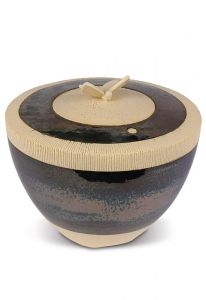
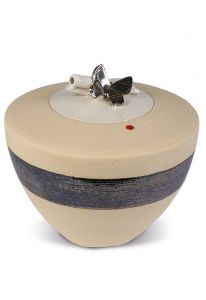
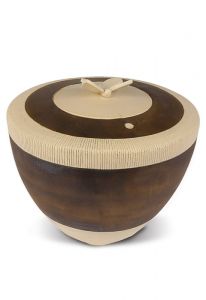
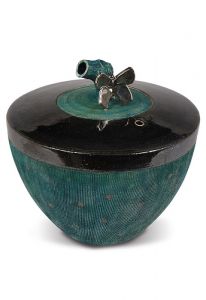
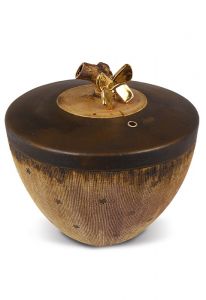
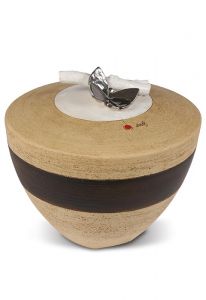
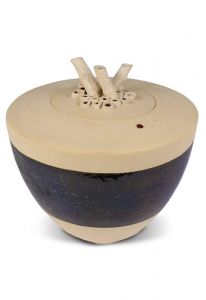
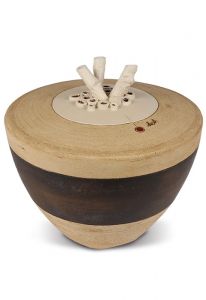
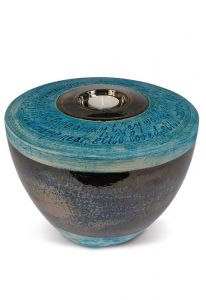
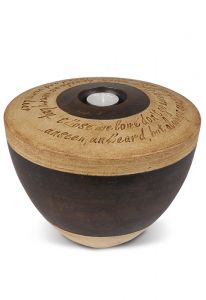
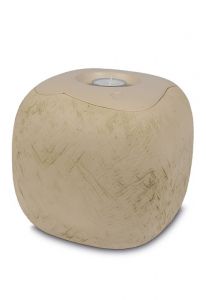
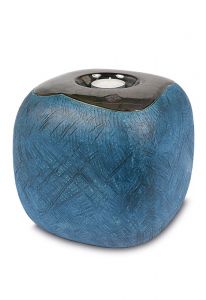
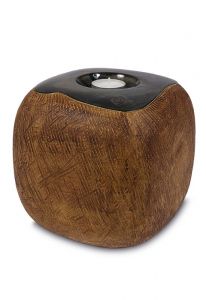
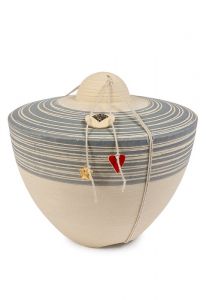
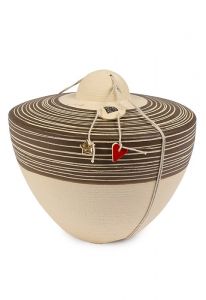
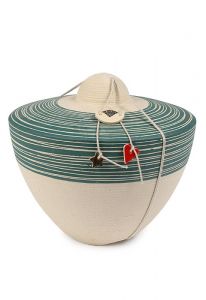
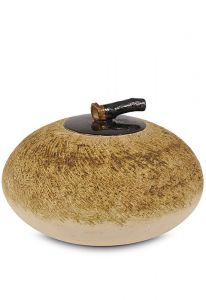
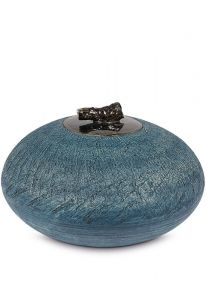
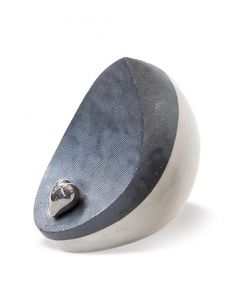
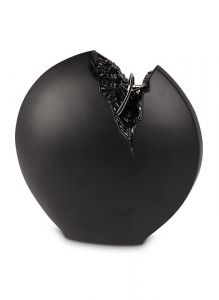
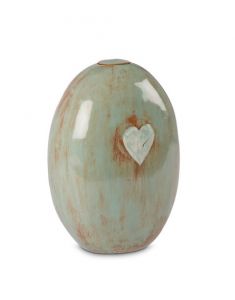
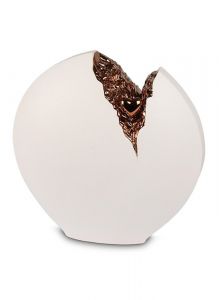 Cremation ashes urn with silver flecks, gold coloured crack and heart417.00 £ VAT included
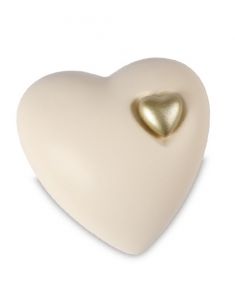
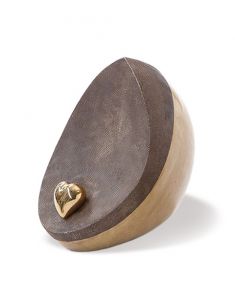
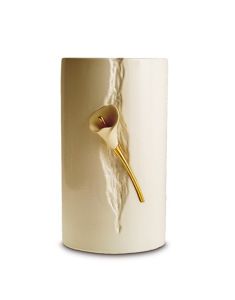
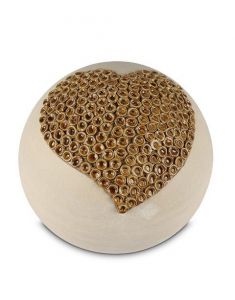
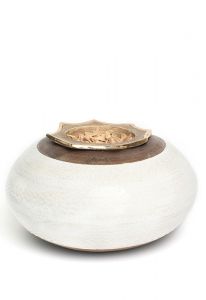
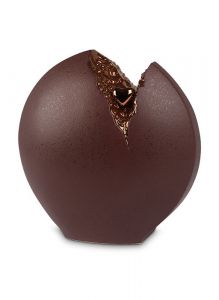 Ceramic cremation ashes urn with gold coloured crack and heart417.00 £ VAT included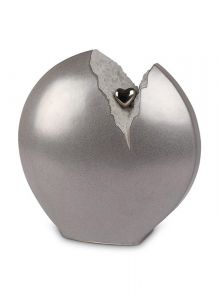
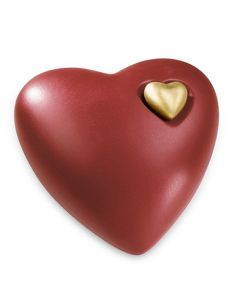
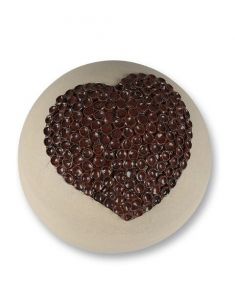
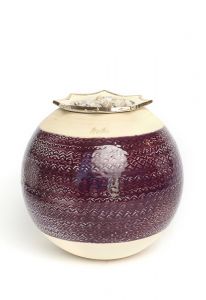
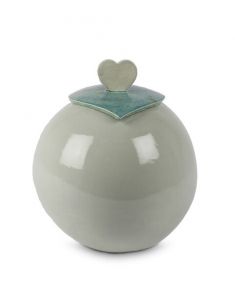
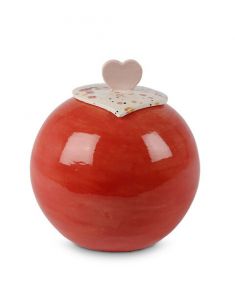
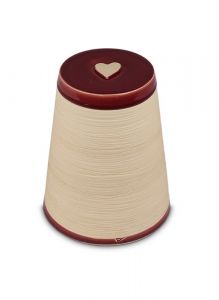 Handmade cremation ashes urn 'Koniko' with heart Burgundy red265.00 £ VAT included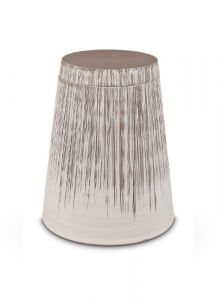
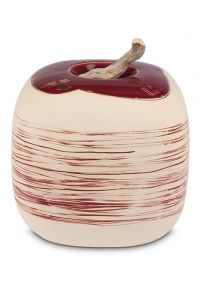
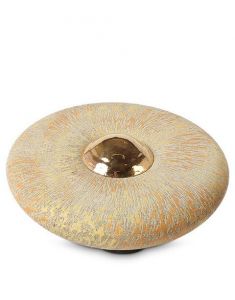
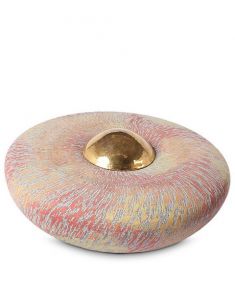
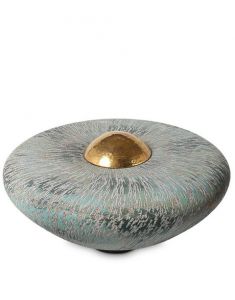
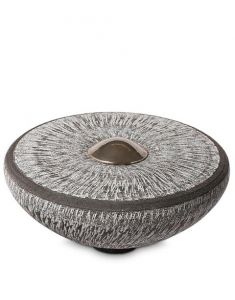
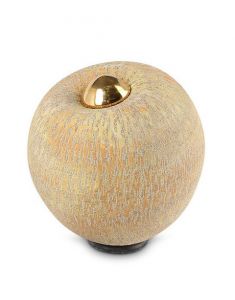
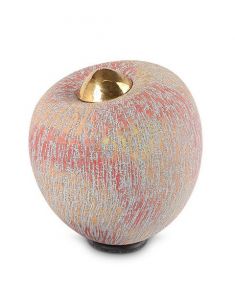
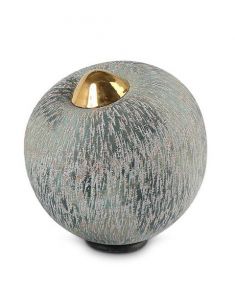
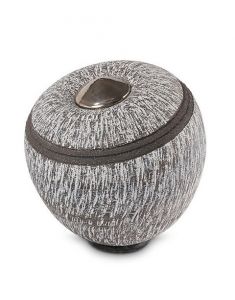
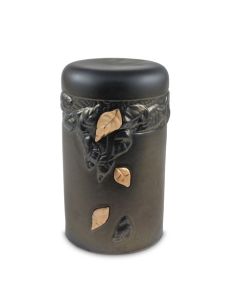
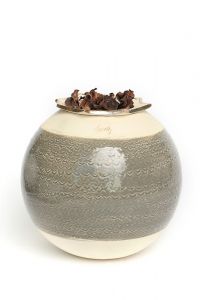
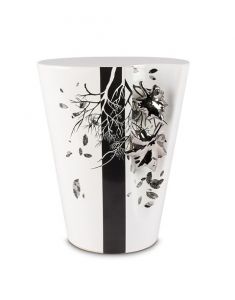 Ceramic cremation urn for ashes 'Autumn' with silver coloured maple leaves426.00 £ VAT included
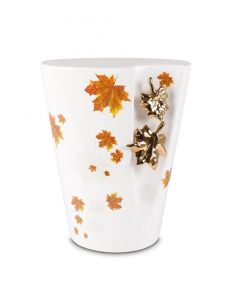 Ceramic cremation urn for ashes 'Autumn' with gold coloured maple leaves426.00 £ VAT included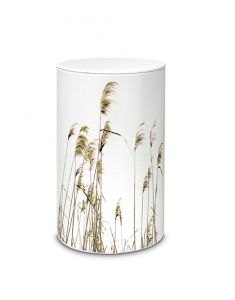
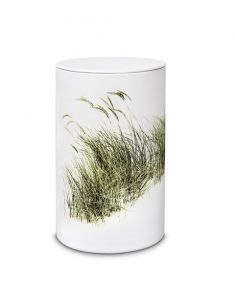
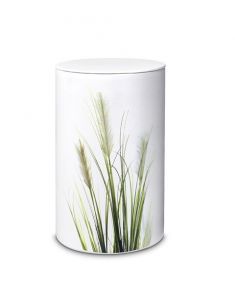
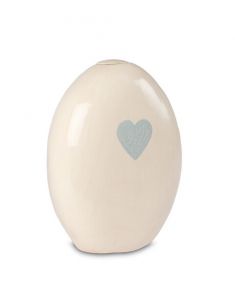
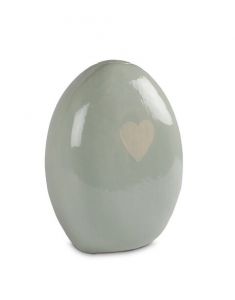
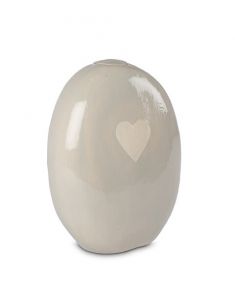
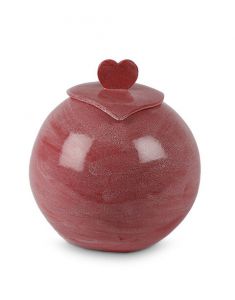
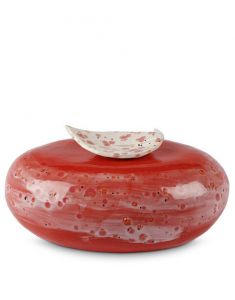
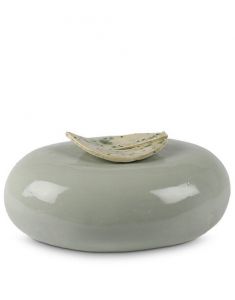
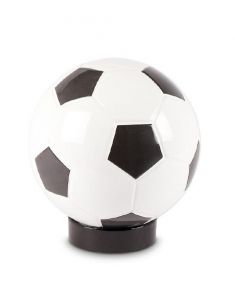
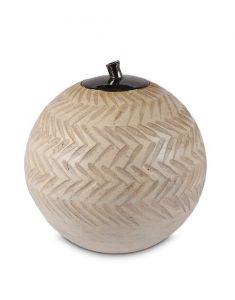
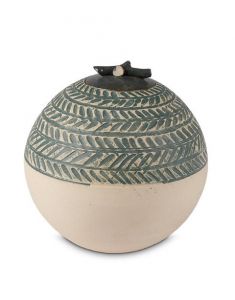
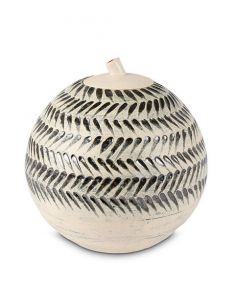
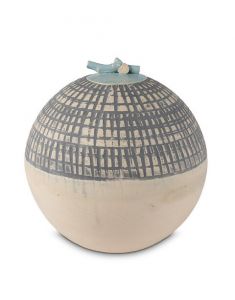
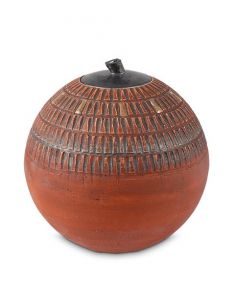
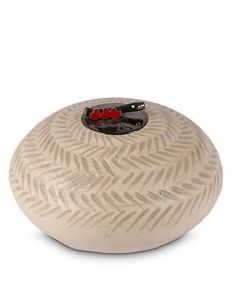
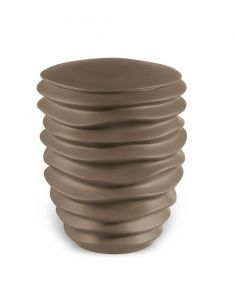
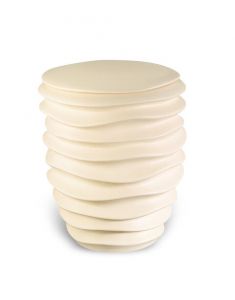
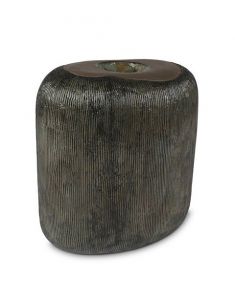
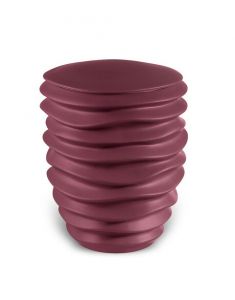 Hand made cremation urn for human ashes 'Scala' blackberry red268.00 £ VAT included