Biodegradable urns for ashes
A biodegradable urn can be a gentle choice when ashes are to be buried, placed in water, scattered or returned to nature in a simpler way. The most important question is not only how the urn looks, but whether the material is suitable for the intended form of remembrance.
Biodegradable urns for ashes, sometimes called natural eco urns, burial urns, water urns or eco urns for ashes, are made from materials designed to break down over time or dissolve under suitable conditions. Common materials include bamboo, wood, paper, natural fibres, sand, salt and other water-soluble or plant-based materials.
A biodegradable urn is not automatically suitable for every situation. An urn for earth burial is not always suitable for water placement, and a water-soluble urn is not always suitable for long-term indoor display. Always check the product description and the rules of the cemetery, natural burial ground, landowner, crematorium or sea placement provider before choosing.
What is a biodegradable urn?
A biodegradable urn is a cremation urn made from materials that can gradually break down in soil or dissolve in water, depending on the material and the intended use. The process depends on the urn’s composition, the soil, moisture, temperature, water conditions and the way the urn is placed.
The word biodegradable does not mean that every urn breaks down at the same speed, or that every urn is accepted everywhere. A bamboo urn, a salt urn, a sand urn and a paper scattering tube can all have very different uses. For a broader introduction, you can also read our blog about biodegradable burial urns.
Why choose a biodegradable urn?
Many families choose a biodegradable urn when the person who died felt close to nature, preferred simplicity, or had expressed a wish for a more natural farewell. A biodegradable urn can be a suitable alternative to a lasting urn made from metal, glass, ceramic, stone or bronze when the intention is burial, water placement or another natural setting.
It is important to be realistic. A biodegradable urn is not automatically “100% environmentally friendly”. The overall impact depends on the material, production, transport, burial or placement method, local rules and how the urn is used. For this reason, it is better to speak of natural, biodegradable or lower-impact options rather than making absolute environmental claims.
You can also read more about our wider approach to responsible materials and product choices on our sustainability page. For broader inspiration around natural farewell options, our blog about sustainable farewells may also be helpful.
Which biodegradable urn is suitable for which use?
The right choice depends mainly on where the ashes will go. A biodegradable urn for earth burial needs to remain stable during handling and burial, then gradually break down in the ground. A water placement urn needs to be suitable for water and may be designed to float briefly, sink gently or dissolve according to the product design.
Biodegradable urns by intended use
| Intended use |
Often suitable materials |
What to check before choosing |
| Earth burial |
Bamboo, wood, paper, natural fibres, sand, unfired clay or other burial-suitable materials |
Whether the cemetery, cremation plot, churchyard or burial ground accepts the material, size and closure. |
| Natural burial or woodland burial |
Bamboo, paper, natural fibres, wood or other approved biodegradable materials |
Natural burial grounds often have their own rules about materials, coatings, metal parts and memorial items. |
| Water placement or sea placement |
Salt, sand, water-soluble paper or other water-suitable materials |
Not every biodegradable urn is suitable for water. Check the product description and the provider’s instructions. |
| Scattering ashes |
Scattering tubes, paper urns or cardboard scattering containers |
If the ashes will be scattered rather than buried, a scattering tube is often more practical than a burial urn. |
| Indoor storage before burial |
Only suitable if the urn is dry, stable and intended for temporary storage |
Biodegradable urns are usually not designed as permanent indoor display urns. Keep them dry and protected. |
When comparing products, check the suitability notes carefully. A product described for burial in soil, water placement, scattering or temporary indoor storage should be used only in the way described on the product page.
Biodegradable urns for earth burial
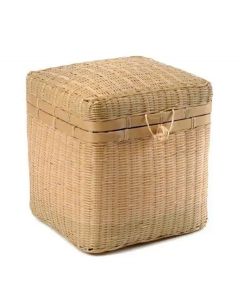
For earth burial, biodegradable urns are usually made from materials that can gradually break down in the ground. Bamboo, wood, paper, natural fibres, sand and unfired natural materials may be suitable, depending on the model and the rules of the burial place.
A burial urn should be stable enough for the funeral service and burial, but not intended to remain permanently intact. The breakdown process will not be immediate. It depends on soil type, moisture, temperature, material thickness and the local environment.
If the urn will be placed in a cemetery plot, cremation plot, churchyard or private land, always check the local rules and landowner permission before ordering. Also check whether the location requires a biodegradable urn, allows one, or has specific material restrictions.
Eco urns for natural burial and woodland burial
A biodegradable urn can be a suitable choice for natural burial, woodland burial or another nature-based resting place. These settings often aim to reduce long-term disturbance and may only accept urns made from approved natural materials.
Always ask the natural burial ground, woodland burial site, cemetery or funeral director which materials are accepted. Some sites may not allow metal parts, plastic liners, synthetic coatings, varnishes, permanent grave markers or non-biodegradable decorations.
Practical note: a natural burial site may have stricter rules than a traditional cemetery. Do not rely on the word “biodegradable” alone. Check the specific product and the specific burial place.
Biodegradable urns for water placement or sea placement
A water placement urn is different from an urn for earth burial. It needs to be suitable for water and designed to behave safely and respectfully in that setting. Depending on the model, it may float briefly, sink gradually or dissolve over time.
Materials such as salt, sand, water-soluble paper or other water-suitable materials may be used for this purpose. A wood or bamboo urn that is suitable for earth burial is not automatically suitable for water placement.
If you are considering a ceremony at sea, you may also find our article about scattering ashes at sea helpful. Always check the rules for the chosen location and use only a product that is described as suitable for water placement or sea placement.
Scattering ashes or choosing a biodegradable urn?
A biodegradable urn is usually chosen when the ashes will be buried, placed in water or used as part of a natural burial. If the ashes will be scattered, a scattering tube or ashes scattering container may be more practical.
A scattering tube can help release the ashes more calmly and with more control, provided scattering is allowed in the chosen place. For land or water scattering, check local guidance, landowner permission and environmental considerations first.
For more ideas and practical points, you can also read our complete guide to scattering ashes.
Materials used for biodegradable urns
Each material has its own character and suitability. The material should match the intended use, not only the appearance of the urn.
Common biodegradable urn materials
| Material |
Appearance and character |
Often suitable for |
| Bamboo |
Warm, natural and light in appearance. |
Earth burial, natural burial or temporary indoor storage before burial, depending on the model. |
| Wood |
Familiar, natural and simple. |
Earth burial or woodland burial where accepted by the site. |
| Paper or natural fibre |
Lightweight, modest and often very simple. |
Scattering tubes, natural burial or selected burial uses, depending on construction. |
| Sand |
Soft, organic and minimal. |
Some water placements and natural settings, depending on the product. |
| Salt |
Simple, pale and symbolic, often associated with water. |
Water placement or sea placement, when the urn is specifically made for this purpose. |
| Unfired clay or natural mineral material |
Earthy, quiet and handcrafted in feeling. |
Earth burial, if accepted by the cemetery or natural burial ground. |
If you are unsure about a material, check the product details first. For example, a salt urn may be appropriate for water placement, while bamboo or natural fibre may be more logical for burial in soil.
When is a biodegradable urn appropriate?
A biodegradable urn can be appropriate when the intended farewell is temporary, natural or connected to earth or water. It may suit someone who loved nature, gardening, woodland walks, the sea, rivers or a simple, less permanent memorial.
It may be less suitable if you want to keep the urn permanently at home, place it in a columbarium niche, keep it in a damp room, or display it for many years. In those situations, a more durable urn made from ceramic, bronze, glass, stone, metal or another lasting material may be a better choice.
For a broader comparison between materials, our guide to the best urn materials for cremated ashes may help you compare biodegradable, ceramic, metal, wood, glass and stone options.
Can a biodegradable urn be kept indoors?
A biodegradable urn can usually be kept indoors temporarily before burial, water placement or scattering, provided it is stored dry, stable and protected. However, many biodegradable urns are not designed as permanent indoor display urns.
Moisture, handling, sunlight and time can affect natural materials. If you want to keep the ashes at home for a long period, you may prefer a more durable urn. You can also read our guidance about keeping cremation ashes at home.
Biodegradable urns in the UK and Ireland
In the UK and Ireland, the rules around burial, scattering and water placement can depend on the landowner, cemetery, crematorium, natural burial ground, local authority, waterway, coastal location or service provider. The product may be suitable in principle, but the chosen location must also allow it.
- For private land: check landowner permission and local environmental considerations.
- For cemeteries and cremation plots: ask about permitted urn materials, dimensions and whether biodegradable urns are required or accepted.
- For natural burial grounds: ask for their exact material rules before buying.
- For water or sea placement: use only a water-suitable urn and check the provider or local guidance.
- For scattering: check landowner permission, local guidance and whether a scattering tube is more appropriate.
Our advice: before ordering, confirm the rules with the cemetery, crematorium, funeral director, natural burial ground, landowner or sea placement provider. This is especially important when the urn will be buried or placed in water.
What size biodegradable urn do I need?
Biodegradable urns are available in different sizes. For an adult, many full-size urns hold around 3 to 3.5 litres, or approximately 183 to 213 cubic inches. Smaller biodegradable urns may be suitable for children, babies, pets or a symbolic portion of ashes.
The required size depends on the amount of ashes and whether all or only part of the ashes will be placed in the urn. For more guidance, use our urn size calculator and size guide, or ask the crematorium or funeral director for the actual volume.
Biodegradable pet urns
Biodegradable urns are also available for pets. These may be chosen when a dog, cat or another beloved companion will be buried in a garden, placed in a natural setting or remembered in a quieter, temporary way.
Guidance for pet ashes is different from guidance for human ashes, especially around garden burial, landowner permission and local rules. You can view our separate collection of biodegradable pet urns.
Frequently asked questions about biodegradable urns
Are biodegradable urns always environmentally friendly?
No. A biodegradable urn can be a more natural option than a lasting urn, but its overall impact depends on the material, production, transport, burial or placement method and local conditions. It is better to check product suitability than rely on a general eco claim.
What is the difference between a biodegradable urn and an eco urn?
The terms are often used in a similar way. They usually refer to urns made from natural, plant-based, water-soluble or biodegradable materials. The most important question is whether the urn is suitable for the intended burial, water placement or scattering.
Can every biodegradable urn be buried?
No. Some biodegradable urns are intended for earth burial, while others are intended for water placement or scattering. Always check the product description and the rules of the burial place.
Can every biodegradable urn be used at sea?
No. A water placement urn needs to be suitable for water. An urn made for burial in soil is not automatically suitable for sea placement or water placement.
How quickly does a biodegradable urn break down?
There is no single answer. Breakdown depends on the material, construction, soil, moisture, temperature, water conditions and burial method. A biodegradable urn does not usually disappear immediately.
Can I keep a biodegradable urn at home?
Usually only temporarily, unless the product is specifically suitable for longer indoor display. Biodegradable materials can be affected by moisture, light and handling. For permanent home display, a more durable urn may be more suitable.
Can ashes be scattered in a biodegradable urn?
If the ashes will be scattered, a scattering tube is often more practical than a burial urn. Some scattering products are made from paper or cardboard and are designed for a controlled release of ashes.
What size biodegradable urn do I need?
For an adult, many full-size urns hold around 3 to 3.5 litres, or approximately 183 to 213 cubic inches. The exact size depends on the amount of ashes. Use our urn size calculator and size guide or ask the crematorium or funeral director if you are unsure.
Are biodegradable urns suitable for pets?
Yes, there are separate biodegradable pet urns for dogs, cats and other pets. Always choose the size based on the pet’s ashes and check whether the urn is suitable for burial, water placement or another natural setting.
What should I check before buying a biodegradable urn?
Check the intended use, material, size, internal capacity, external dimensions, product suitability and the rules of the cemetery, natural burial ground, landowner or sea placement provider.
Need help choosing a biodegradable urn?
Choosing a biodegradable urn can raise practical questions. Which material is suitable for earth burial? Which urn can be used in water? Is a scattering tube more appropriate? And will the chosen cemetery, natural burial ground or service provider accept the urn?
If you have questions about size, material, earth burial, water placement, scattering, indoor storage or product suitability, please contact legendURN. We will be happy to help you choose carefully and realistically, without overstating environmental claims.
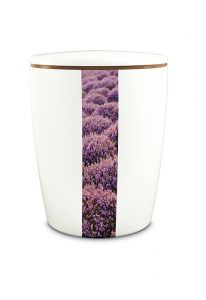 Biodegradable cremation ashes urn 'Lavender' with certificate299.00 £ VAT included
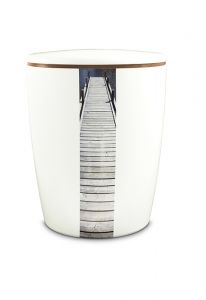 Biodegradable cremation ashes urn 'By The Lake' with certificate299.00 £ VAT included
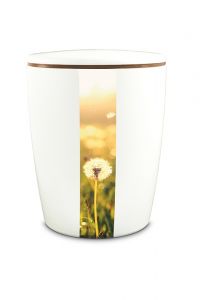 Biodegradable cremation ashes urn 'Dandelion' with certificate299.00 £ VAT included
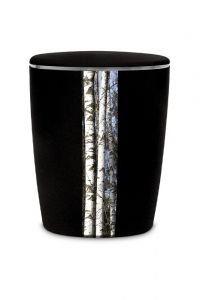 Biodegradable cremation ashes urn 'Birch tree' with certificate299.00 £ VAT included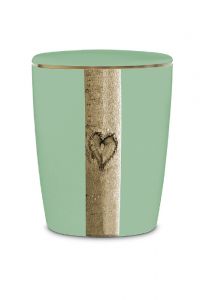
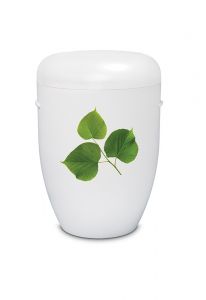 Biodegradable cremation ashes urn 'Linden leaf' with certificate218.00 £ VAT included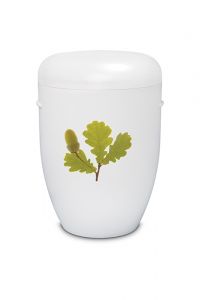
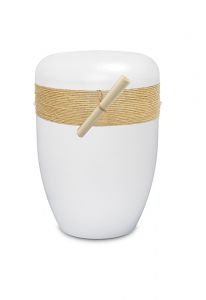 Biodegradable cremation ashes urn 'Jute cord and parchment' with certificate289.00 £ VAT included
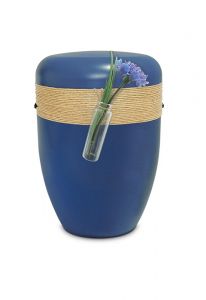 Biodegradable cremation ashes urn 'Jute cord and vase' with certificate289.00 £ VAT included
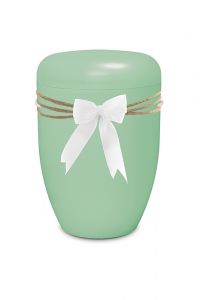 Biodegradable cremation ashes urn 'Jute and white bow' with certificate289.00 £ VAT included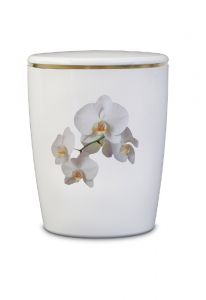
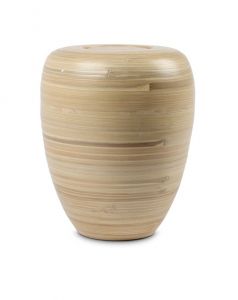
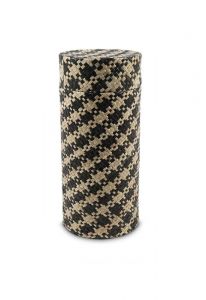
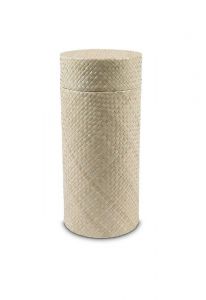
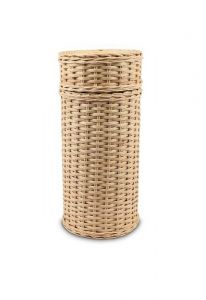
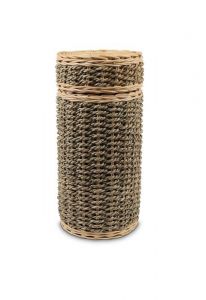
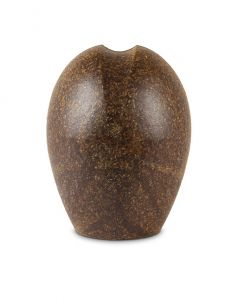 Biodegradable burial urn for ashes 'Summer' from Brewers' spent grain195.00 £ VAT included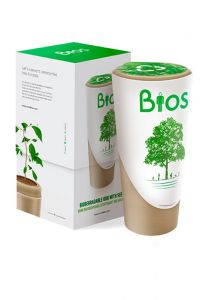

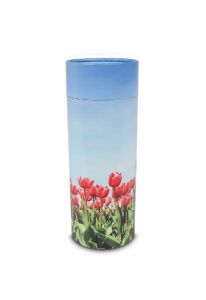
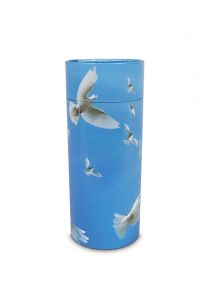
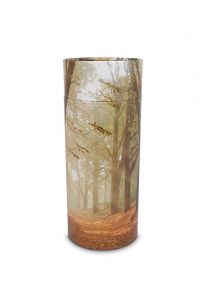
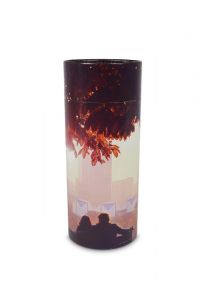
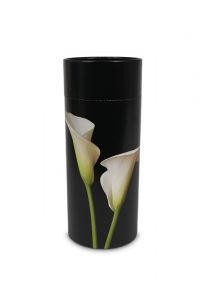
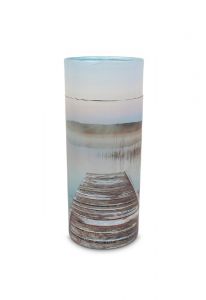
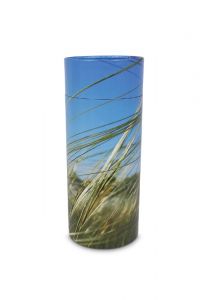
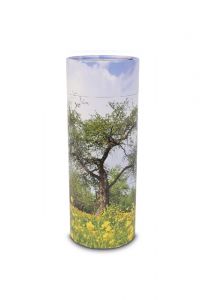
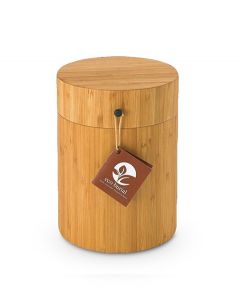
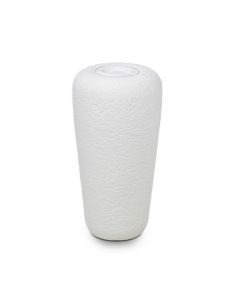 Biodegradable urn for water burial at sea (or other body of water) white206.00 £ VAT included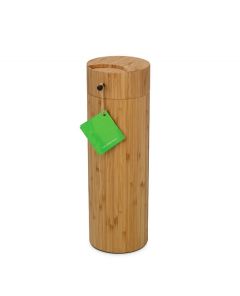
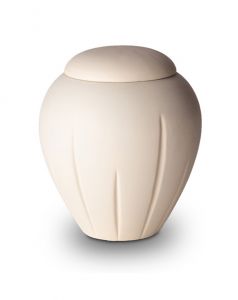
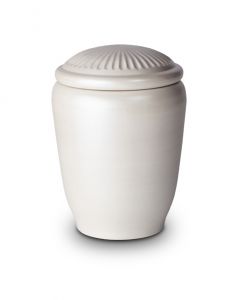
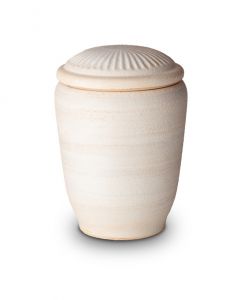
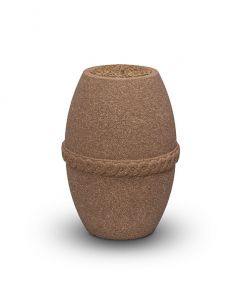
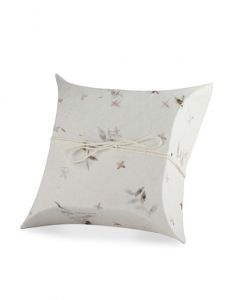
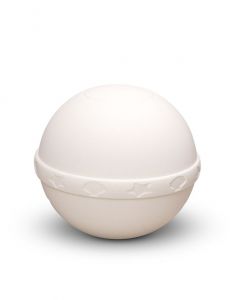
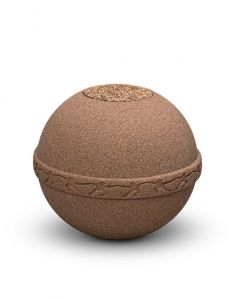
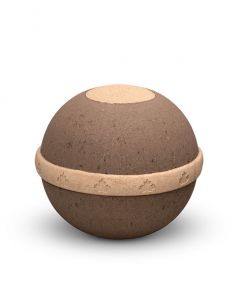
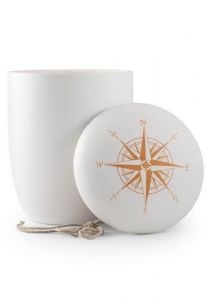
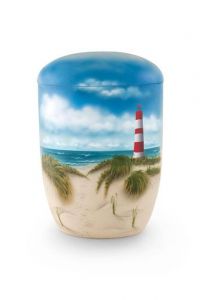 Water cremation urn 'Beach view of lighthouse' for burial at sea438.00 £ VAT included
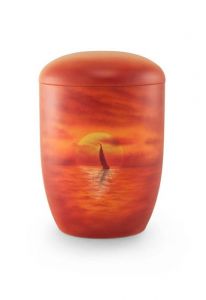 Water cremation urn 'Sailing over the horizon' for burial at sea438.00 £ VAT included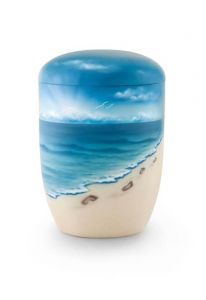
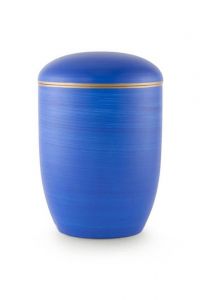
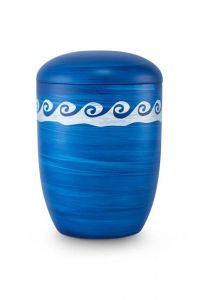
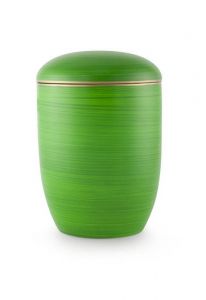 Green coloured water cremation urn for burial with golden stripe192.00 £ VAT included
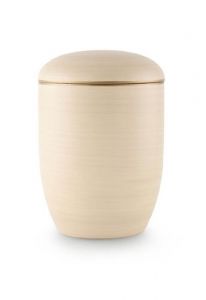 Sand coloured water cremation urn for burial at sea with golden stripe192.00 £ VAT included
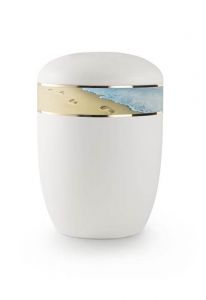
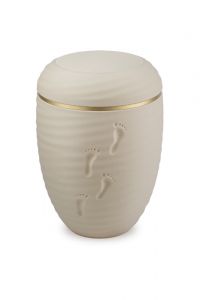
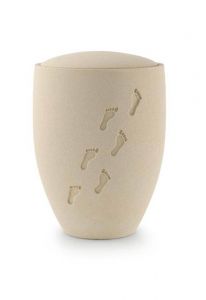 Water cremation urn 'Footprints in the sand' for burial at sea333.00 £ VAT included
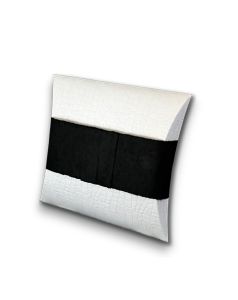 Biodegradable Sea Urn for Ash Scattering on Water - white with black band119.00 £ VAT included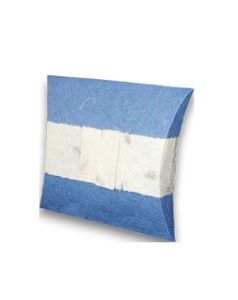
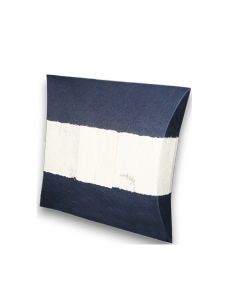 Biodegradable Sea Urn for Ash Scattering on Water - dark blue119.00 £ VAT included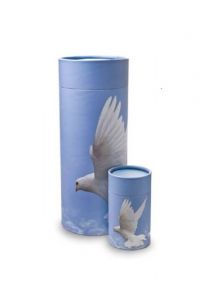
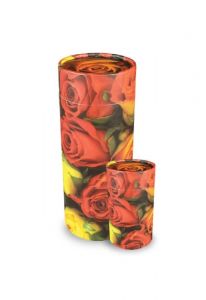
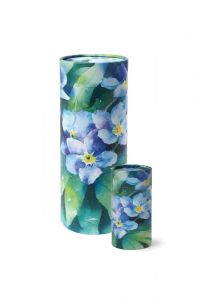
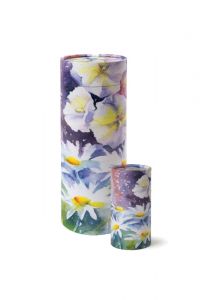
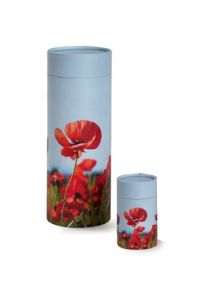
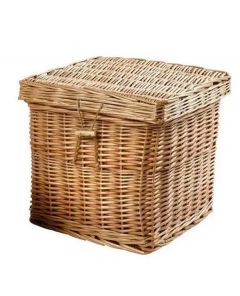
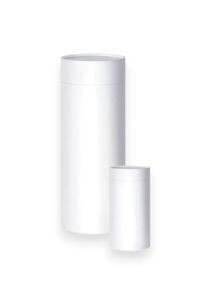
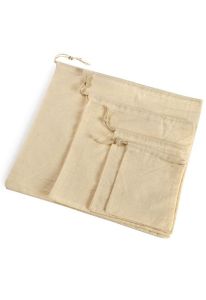
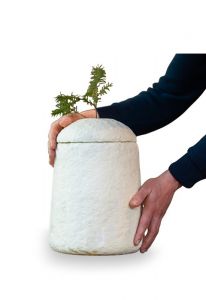
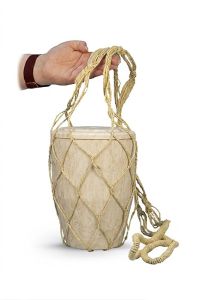 Lowering net made from plant-based fibres for biodegradable urns43.00 £ VAT included