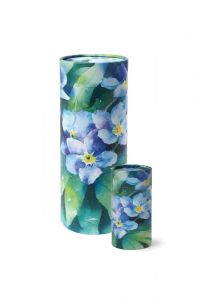
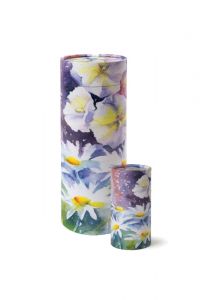
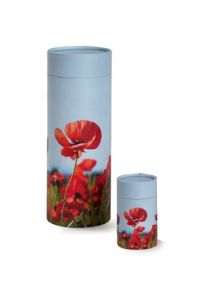
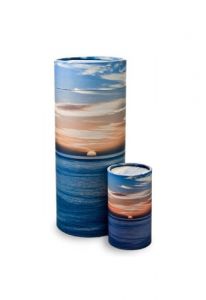
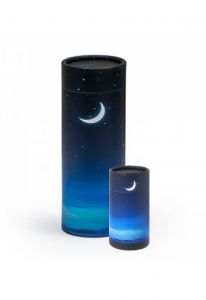
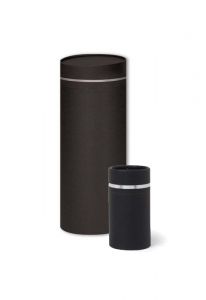
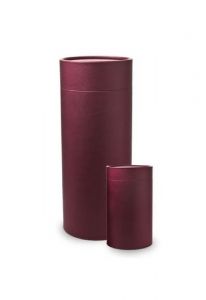
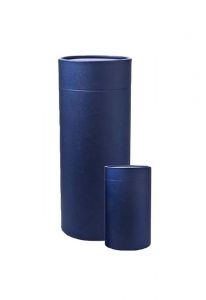
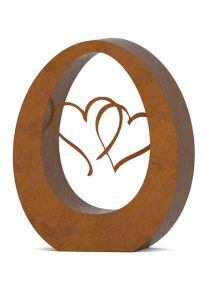
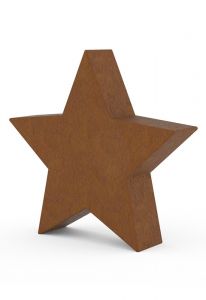
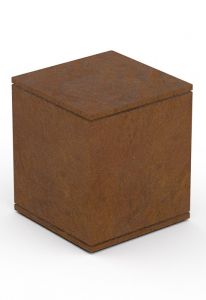
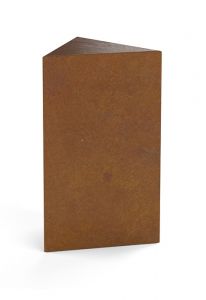
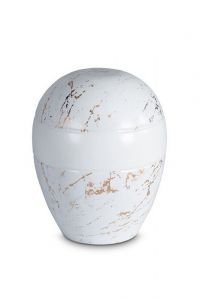
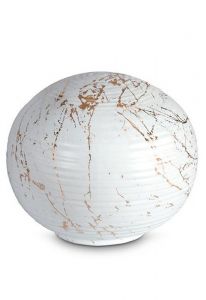
Infant and child urns for ashes
Choosing an urn for a child is one of the most difficult and personal decisions a parent or family can face. This page is intended to help you choose calmly, with attention to size, material, symbolism, engraving, keepsakes and the place where the urn may be kept or placed.
This category focuses on infant urns for ashes and child urns for ashes. These urns are usually larger than very small baby urns, but smaller than standard adult urns. If you are looking for an urn for a baby born very early, a stillborn baby or a very small baby urn, it is usually better to view our separate baby urns for ashes category or ask us to help check the most suitable size.
You do not need to decide everything at once. The right urn depends on the actual amount of ashes, the place of remembrance, whether any ashes will be kept separately, and what feels bearable for the parents, siblings and family.
What is an infant or child urn?
An infant or child urn is a smaller cremation urn designed to hold the ashes of an infant, young child or child. It is different from a standard adult urn because the capacity is usually smaller. It is also different from a very small baby urn, which is usually intended for a much smaller amount of ashes.
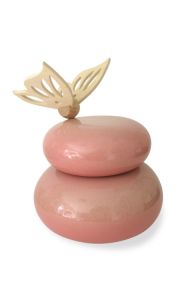
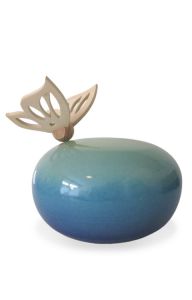
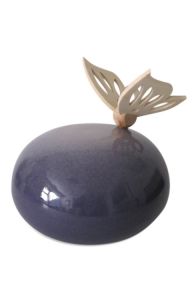
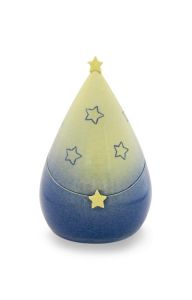
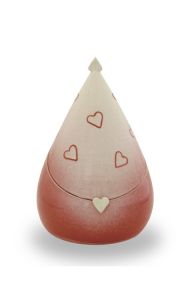
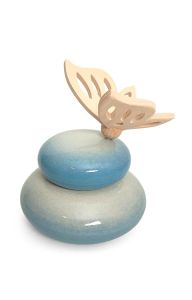
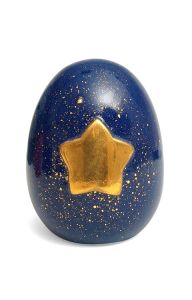
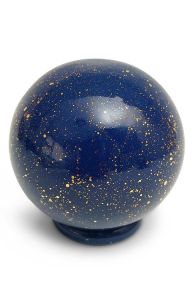
Some families choose a simple and discreet urn. Others prefer a design with gentle symbolism, a soft colour, a heart, star, butterfly, flower, animal motif, candle holder, photo or engraving. There is no single right form. The most important question is whether the urn feels respectful and right for your family.
How to choose an infant or child urn gently
It may help to break the decision into smaller practical questions. This can make the choice less overwhelming and help prevent uncertainty later.
Gentle questions before choosing an infant or child urn
| Question |
Why it matters |
Helpful direction |
| How much ash needs to be kept? |
The amount can vary by age, weight, individual situation and crematorium. |
Ask the funeral director or crematorium for the actual volume where possible. |
| Will all ashes be kept in one urn? |
A full ashes urn needs more capacity than a keepsake urn. |
Choose an urn with enough capacity and a little reserve. |
| Will some ashes be kept separately? |
Parents, grandparents or siblings may want a small keepsake or memorial jewellery. |
Ask whether the ashes can be divided and how much will remain for the main urn. |
| Where will the urn be kept or placed? |
Home, cemetery, columbarium, burial and scattering can all require different materials or dimensions. |
Check local rules and product suitability before choosing. |
| Should the urn be personalised? |
A name, date, symbol, colour or short message can make the memorial more personal. |
Simple, balanced personalisation often works best on a smaller urn. |
Infant urns, child urns and baby urns: what is the difference?
The words can overlap in everyday use, but for choosing an urn it helps to separate them by size and situation. Baby urns are usually intended for very small ash volumes. Infant and child urns are generally used when a larger urn is needed, but a standard adult urn would be too large.
Choosing the right category
| Category |
Often suitable when |
What to check |
| Baby urns |
A very small urn is needed for a very small amount of ashes, such as after very early loss, stillbirth or a very small baby. |
Actual ash volume, whether all ashes or only part will be kept, and whether the separate baby urns category is more suitable. |
| Infant urns for ashes |
The ash volume is larger than a very small baby urn but still much smaller than an adult urn. |
Actual volume from the crematorium, external size and whether keepsakes will also be filled. |
| Child urns for ashes |
A child urn is needed with more capacity, but a full adult urn is still not appropriate. |
Capacity, place of remembrance, material and cemetery or columbarium requirements. |
| Keepsake urns |
Only a small symbolic amount of ashes will be kept. |
Whether the remaining ashes will be kept in a main urn, buried, scattered or shared with family. |
If you are unsure whether a baby urn, infant urn, child urn or keepsake urn is most suitable, ask the funeral director or crematorium for the actual ash volume first. You can also use our urn size calculator and size guide for broader orientation.
What size urn do I need for a child?
The right size depends mainly on the actual amount of ashes. Age and weight can provide some guidance, but the most reliable information usually comes from the crematorium or funeral director.
The table below is only a general guide. If you are choosing between two sizes, it is usually safer to choose the slightly larger urn. This gives more reassurance and may leave space for a small note, hospital bracelet, lock of hair or another tiny keepsake if the urn design allows this.
Approximate infant and child urn size guide
| Situation |
Approximate guidance |
Approximate urn capacity |
Practical note |
| Older baby or very young infant |
When a very small baby urn may no longer be enough |
About 0.75 L / 46 cu in |
Check the actual ash volume, especially if a keepsake will also be filled. |
| Small child |
Depends strongly on age, weight and individual situation |
About 1 to 1.5 L / 61 to 92 cu in |
Ask the crematorium or funeral director for the actual amount before choosing. |
| Child with a larger ash volume |
A larger child urn may be needed |
About 1.5 to 2.5 L / 92 to 153 cu in |
Choose enough reserve if all ashes will be kept together. |
| Older child or near-adult ash volume |
May need a larger urn or standard cremation urn |
Ask for the actual volume |
Do not rely only on age. Ask the crematorium or funeral director for guidance. |
If the ash volume is close to that of an adult urn, it may be better to compare this page with our wider collection of cremation urns for ashes. This does not mean the memorial has to feel adult or impersonal. It simply means the capacity must be right.
Important: always check both the internal capacity and the external dimensions. Capacity tells you whether the urn can hold the ashes. External dimensions tell you whether it will fit at home, in a cabinet, cemetery plot or columbarium niche.
Creating a memorial space at home
Some families keep an infant or child urn at home, either visibly or in a more private place. A memorial space can be as simple as a shelf, cabinet, bedside table, memory box, photograph, candle, drawing, flower or small object that belonged to the child.
For siblings, a gentle and visible reminder can sometimes make the loss less abstract. This does not mean the urn has to be central or always visible. Some families prefer a protected, quiet and discreet place. The right choice is the one that feels most bearable for your family.
Infant and child urns for cemetery, columbarium or burial
If the urn will be placed in a cemetery, cremation plot, churchyard, columbarium niche or memorial garden, check the rules before choosing. The permitted size, material, closure and type of urn can differ by location.
Ask the cemetery, crematorium, funeral director, churchyard office or local authority whether the chosen urn is suitable. If the place has a fixed niche or grave space, measure the available height, width and depth before ordering.
Materials for infant and child urns
The material affects the appearance, weight, durability and suitable placement of the urn. Not every material is suitable for every use, so always check the product description carefully.
Common materials for infant and child urns
| Material |
Appearance and feeling |
Often suitable for |
| Ceramic |
Soft, handcrafted and often suited to gentle symbolic shapes. |
Mainly indoor or protected placement, depending on the model. |
| Bronze or metal |
Durable, carefully finished and often suitable for detailed designs. |
Home placement and, depending on the model, some outdoor or cemetery settings. |
| Wood |
Natural, quiet and warm in appearance. |
Indoor or protected placement. |
| Natural stone |
Calm, solid and naturally unique. |
Home, cemetery, columbarium or lasting memorial setting, depending on the finish. |
| Biodegradable material |
Simple, natural and intended to return to the earth. |
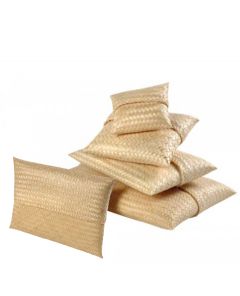
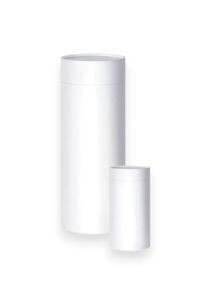
Natural burial or scattering-related use, where permitted. |
Symbols and colours for child urns
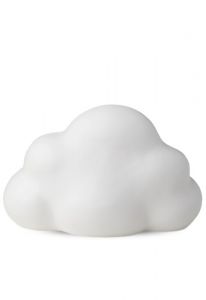
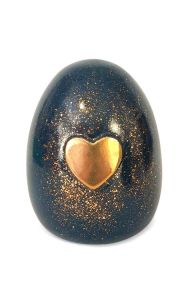
Many families choose gentle symbolism for a child urn. A heart can stand for love and belonging. A star can feel connected to nearness, protection or a memory that remains present. A butterfly may suggest fragility and change. Flowers, small animals, clouds, candles or soft round shapes can also feel meaningful.
A symbol does not need to have a universal meaning. It may mean something only to your family. With child urns, a simple and uncluttered design often feels more balanced than a design with too many details.
Engraving and personalisation
Many infant and child urns can be personalised, depending on the material and design. A name, date, initials, a short phrase, colour detail, small symbol or engraving plate may be possible.
Personalisation does not need to be elaborate. A name, date or small symbol can be enough. If you have a specific idea, such as a drawing, colour, symbol, handwritten word or custom shape, you can ask about a custom-made urn. We will always advise carefully about what is realistic for the chosen material.
Family keepsakes and memorial jewellery
Some families keep most of the ashes in one urn and place a small symbolic amount in a keepsake urn, mini urn or piece of memorial jewellery. This can be helpful when parents, grandparents or siblings each want a personal remembrance.
Memorial jewellery is a very personal choice. It can feel comforting for one person and too close or too difficult for another. There is no need to decide immediately. If ashes will be divided, ask the funeral director or crematorium to help if you do not want to do this yourself.
When a baby urn may be more suitable
For very small ash volumes, a baby urn or very small keepsake urn may be more suitable than this category. This can apply after very early loss, stillbirth or when only a small symbolic amount of ashes will be kept.
Because baby urns for ashes are a separate category, this page does not try to cover every situation involving very small urns. If you are unsure, compare the actual ash volume with the product capacity or ask us to help you check carefully.
Support while making decisions
Choosing an urn after the death of a child can happen while parents and family members are also dealing with grief, funeral arrangements, paperwork and difficult conversations. You do not have to carry every question alone.
For practical matters, your funeral director, crematorium, hospital bereavement team or bereavement midwife may be able to guide you. For emotional support in the UK, families may also wish to contact specialist organisations such as Child Bereavement UK, Sands or The Compassionate Friends.
If you feel at immediate risk or unsafe, please contact emergency services, urgent medical support or someone you trust straight away.
Frequently asked questions about infant and child urns
What is an infant urn?
An infant urn is a smaller cremation urn designed to hold the ashes of an infant or very young child. The right size depends on the actual amount of ashes and whether all or only part of the ashes will be kept in the urn.
What is a child urn?
A child urn is a cremation urn for the ashes of a child. It is usually smaller than an adult urn, but may be larger than a baby urn. Capacity should always be checked carefully.
What size urn do I need for a child?
The size depends mainly on the actual amount of ashes. Age and weight can give some guidance, but the crematorium or funeral director can usually provide the most reliable information. When in doubt, choose a slightly larger urn.
Is there an urn size calculator?
Yes. You can use our urn size calculator and size guide for broader guidance. For infant and child urns, always check the actual ash volume with the crematorium or funeral director where possible.
What is the difference between baby urns and infant or child urns?
Baby urns are usually intended for very small ash volumes. Infant and child urns are generally used when a larger capacity is needed, but a standard adult urn would be too large. If the ash volume is very small, view our separate baby urns for ashes category.
Can a child urn be personalised?
Many child urns can be personalised with a name, date, initials, short phrase, colour detail, small symbol or engraving. The options depend on the material and design.
Can part of the ashes be kept in a family keepsake?
Yes, in some situations families keep most of the ashes in one urn and a small symbolic amount in keepsake urns or memorial jewellery. Ask the funeral director or crematorium to help if ashes need to be divided.
Can a child urn be placed in a cemetery or columbarium?
Often this is possible, but rules differ by cemetery, crematorium, churchyard, columbarium and local authority. Always check size, material, closure and placement rules before choosing an urn.
Which symbols are often chosen for child urns?
Common symbols include hearts, stars, butterflies, flowers, clouds, small animals, candles and soft round shapes. The right symbol is the one that feels meaningful to the family.
Where can I ask for help choosing an urn?
You can ask your funeral director, crematorium, hospital bereavement team or our team for practical guidance about size, material, personalisation and placement.
Need help choosing an infant or child urn?
Choosing an infant or child urn for ashes is not a normal purchase. You may be comparing size, material, symbolism, engraving, keepsakes, memorial jewellery, cemetery placement or a quiet memorial space at home while also coping with grief.
If you have questions about size, capacity, material, engraving, personalisation or a specific urn, please contact legendURN. We will answer carefully and calmly, without pressure.
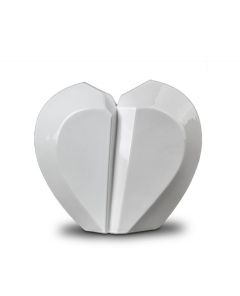
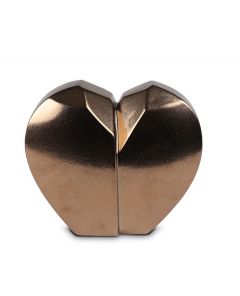
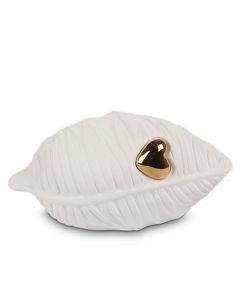
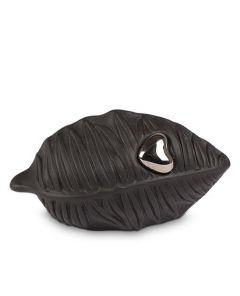
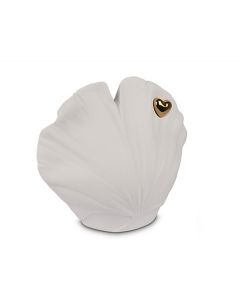
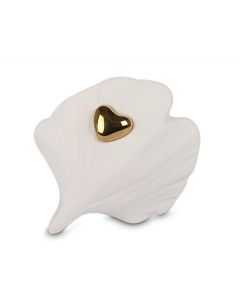
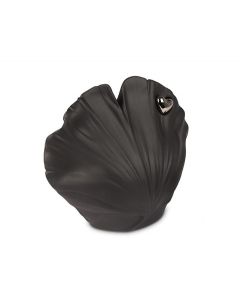
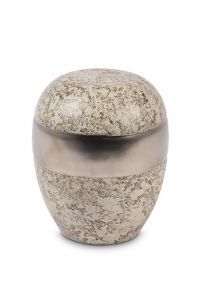
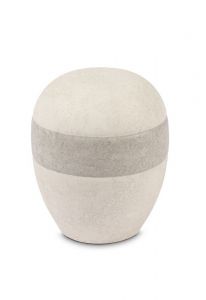
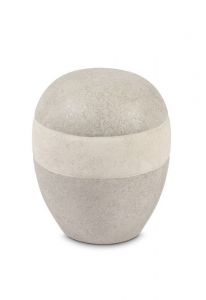
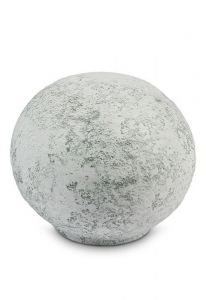
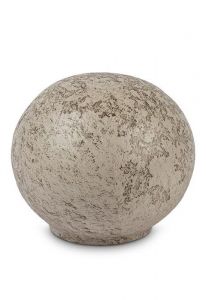
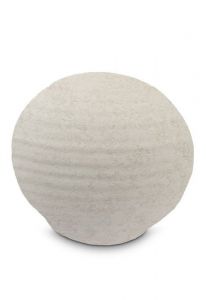
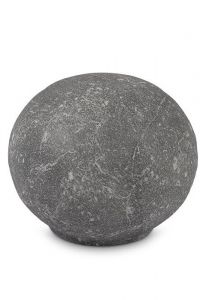
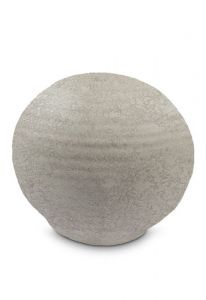
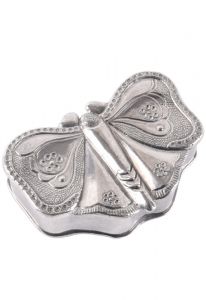
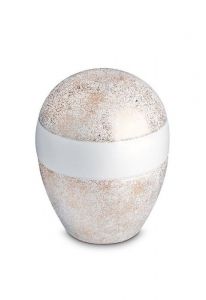
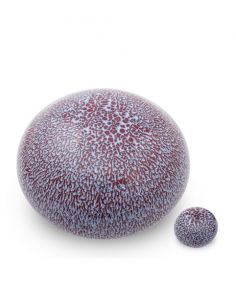
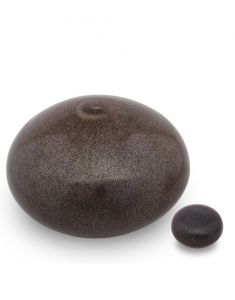
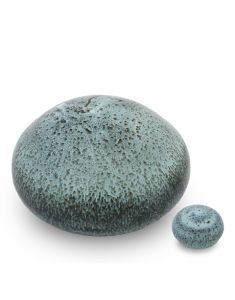
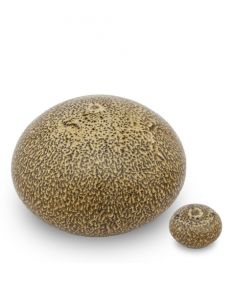
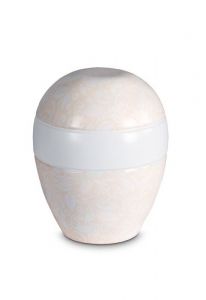 Keepsake urn of porcelain 'Planet' - Beige floral motif relief200.00 £ VAT included
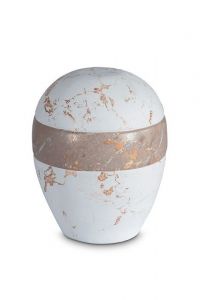 Keepsake urn of porcelain 'Planet' - White and brown marble motif224.00 £ VAT included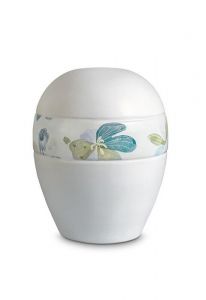
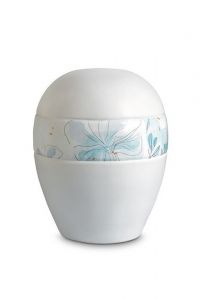 Keepsake urn of porcelain 'Planet' - Band with floral details188.00 £ VAT included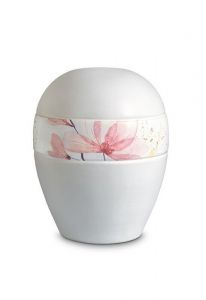
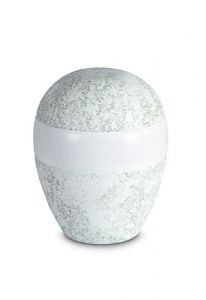 Keepsake urn of porcelain 'Planet' - Marine water relief - green1,790.00 £ VAT included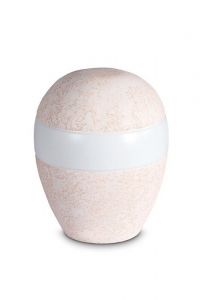
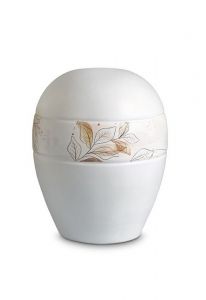 Keepsake urn of porcelain 'Planet' - Band with brown leaf lines188.00 £ VAT included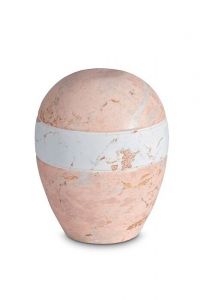
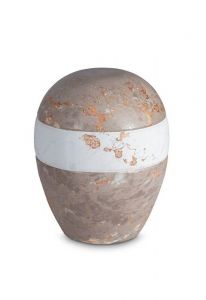 Keepsake urn of porcelain 'Planet' - Brown and white marble motif224.00 £ VAT included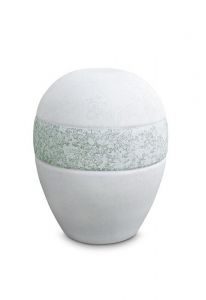
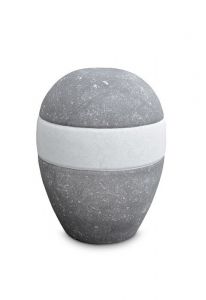 Keepsake urn of porcelain 'Planet' - Belgian bluestone and ice224.00 £ VAT included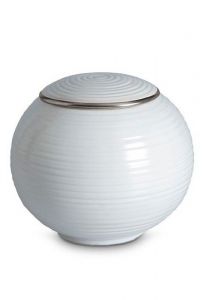
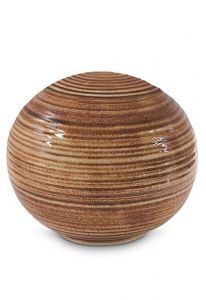 Keepsake urn of porcelain 'Sfera' - Rust brown - hand-painted156.00 £ VAT included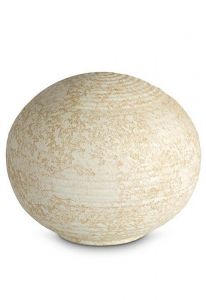
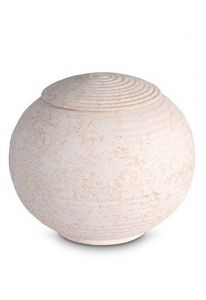
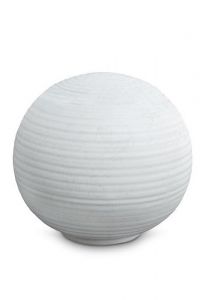
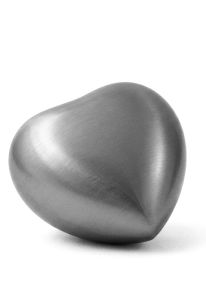
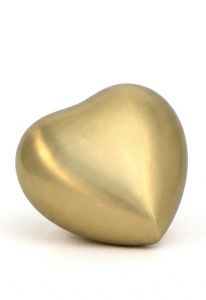
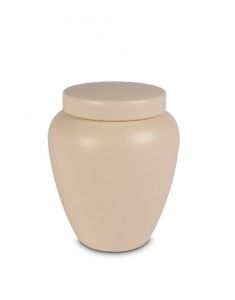
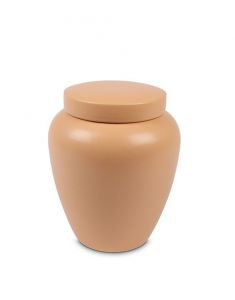
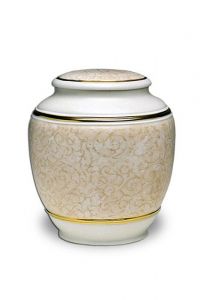
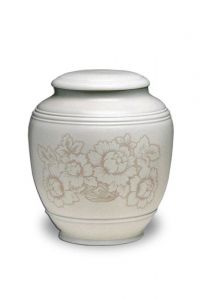
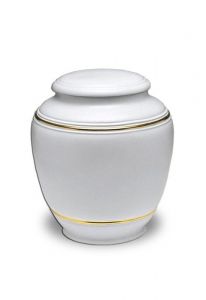
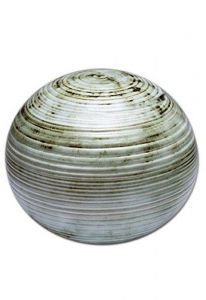
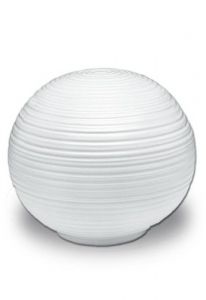
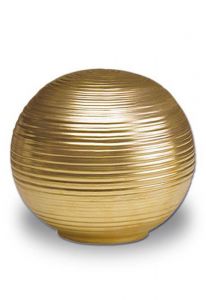
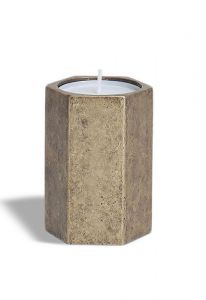
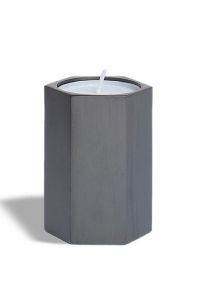
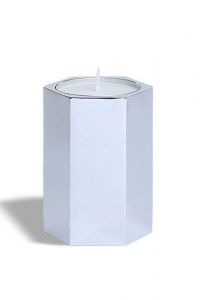
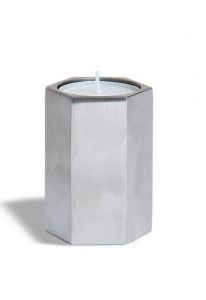
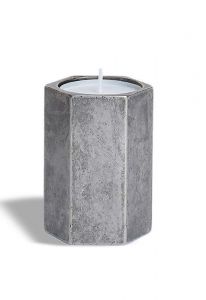
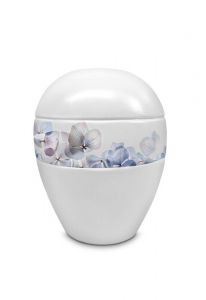
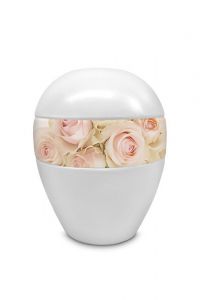
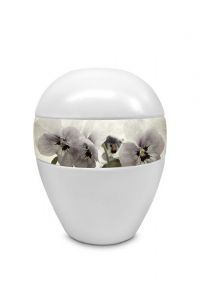
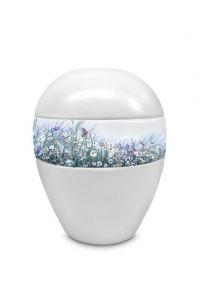
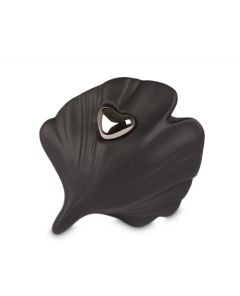
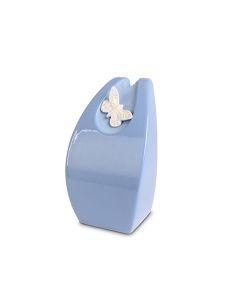
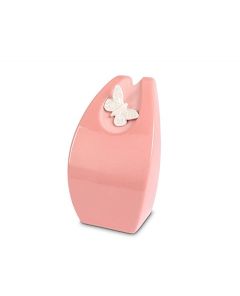
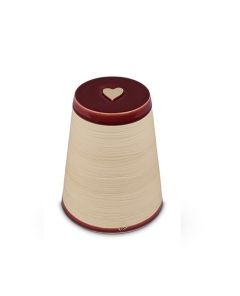
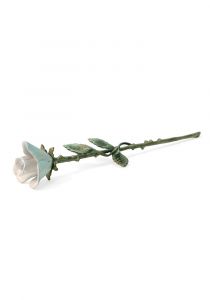
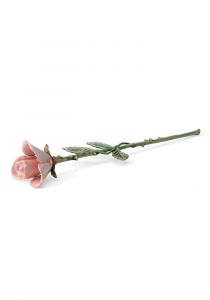
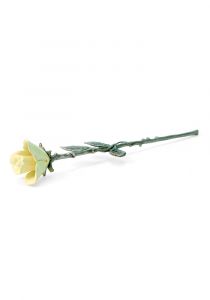
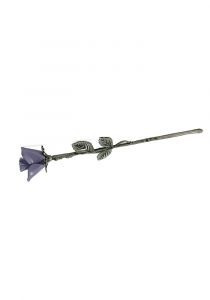
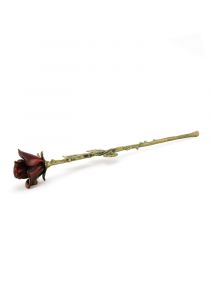
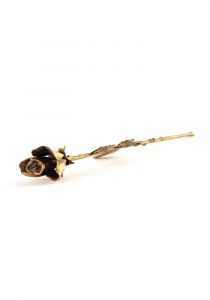
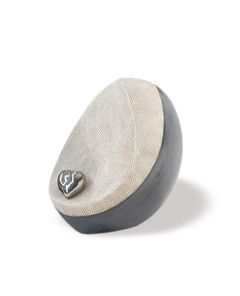
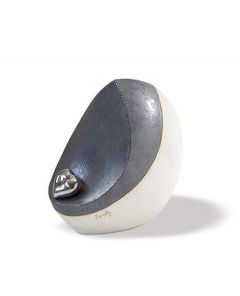
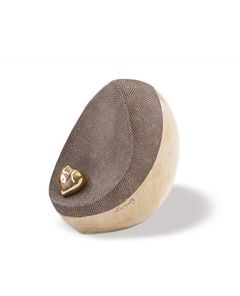
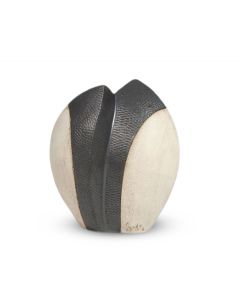
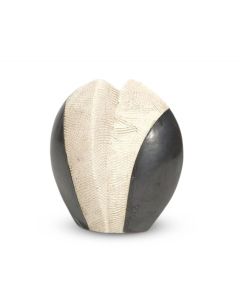
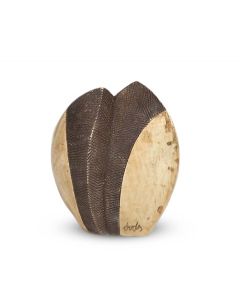
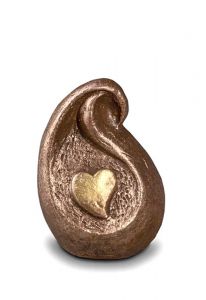
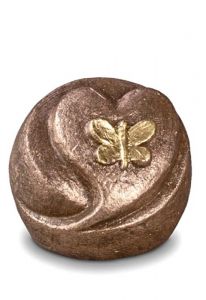
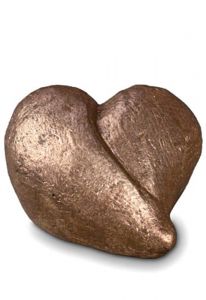
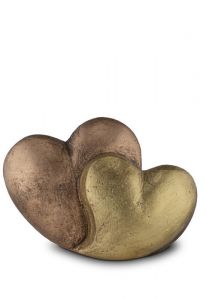
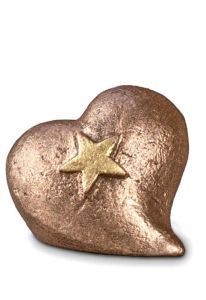
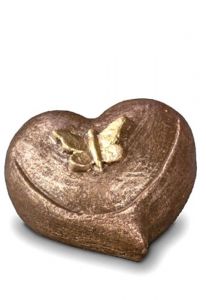
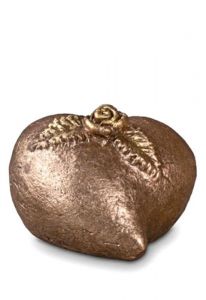
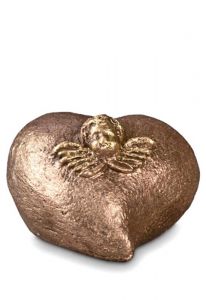
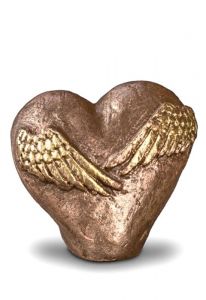
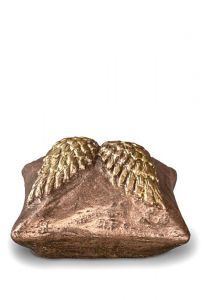
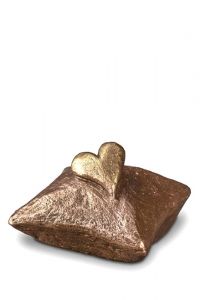
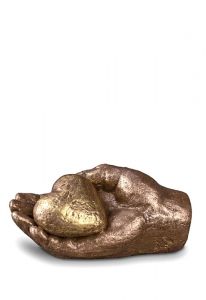
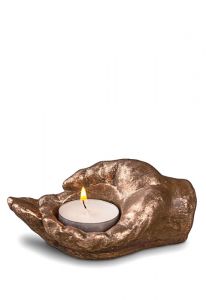
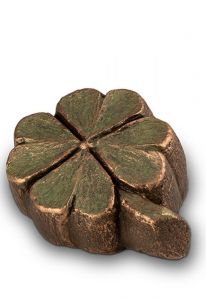
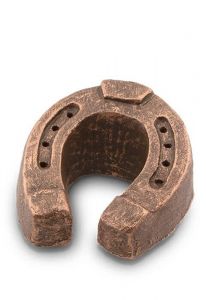
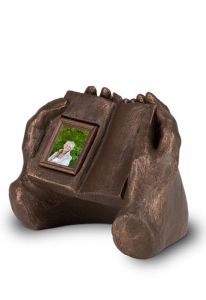
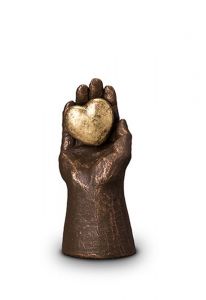
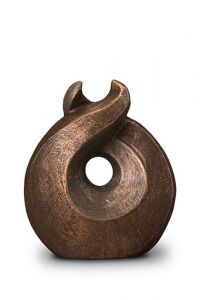
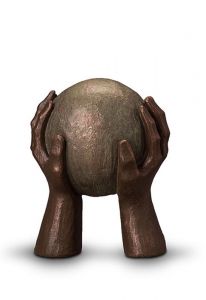
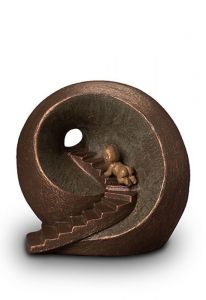
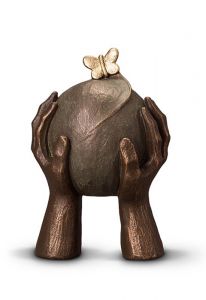
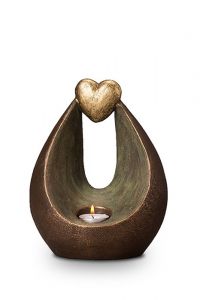
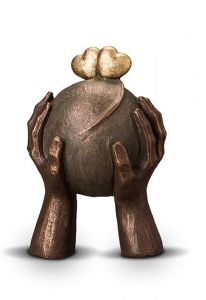
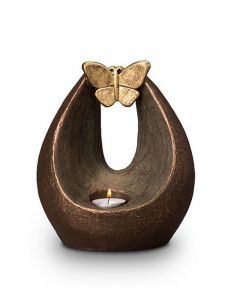
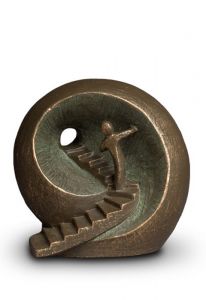
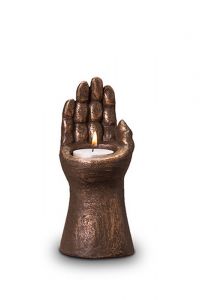
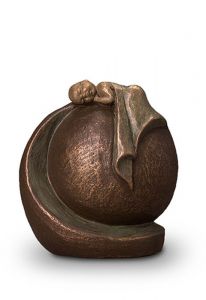
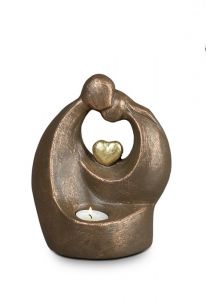 Memorial candle holder keepsake urn 'Eternal Love' | bronze & silver grey384.00 £ VAT included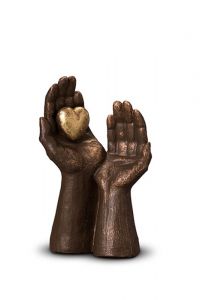
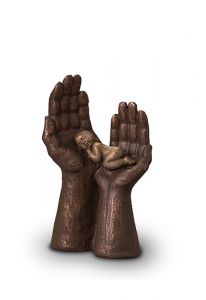
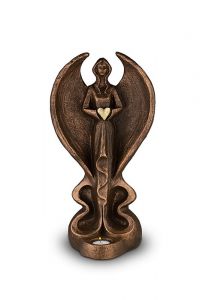 Hand-sculpted keepsake urn 'Angel of hope' with candle holder729.00 £ VAT included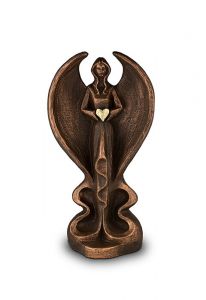
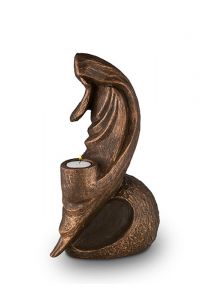
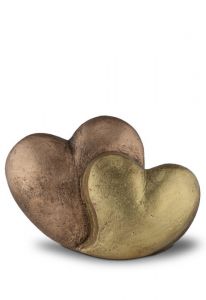
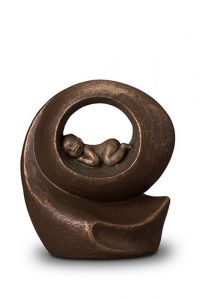
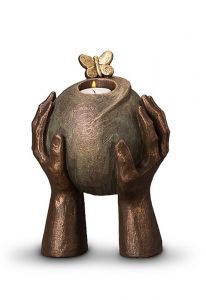
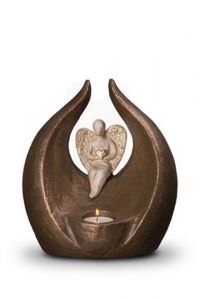
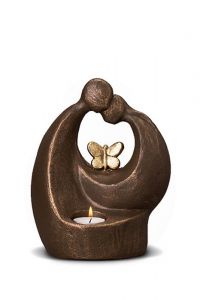
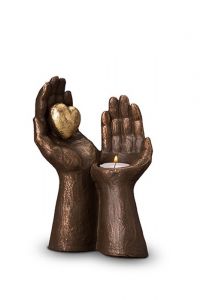
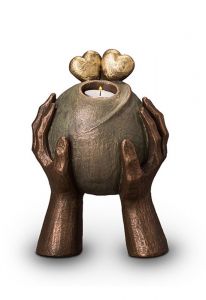
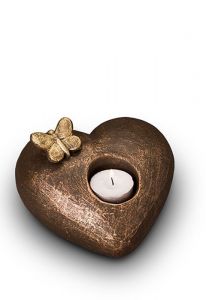 Heart shaped candle holder keepsake urn 'Tenderness' | bronze & silver grey257.00 £ VAT included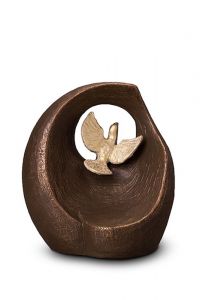
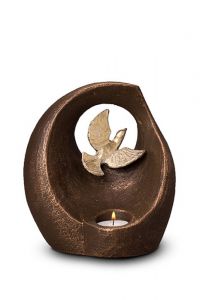
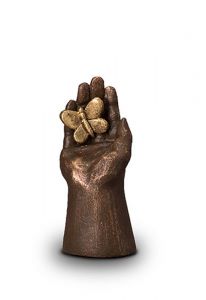
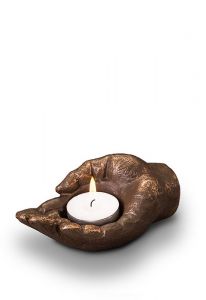
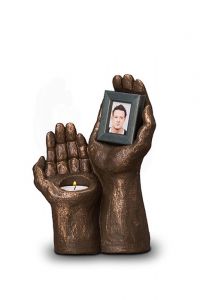
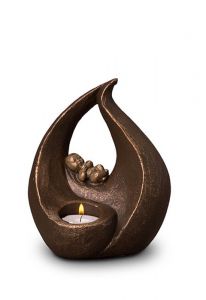
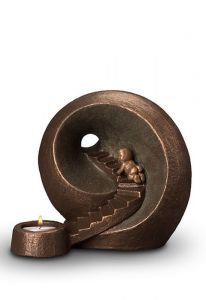
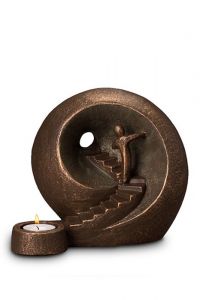
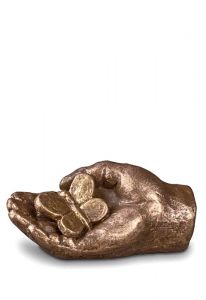
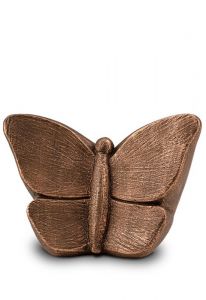
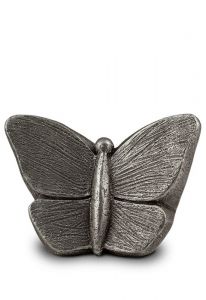
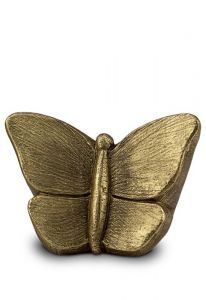
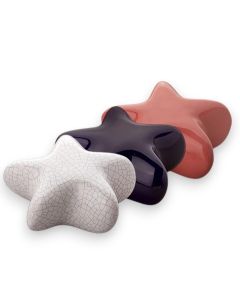
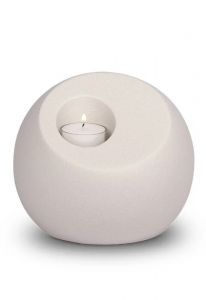
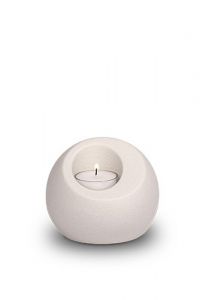
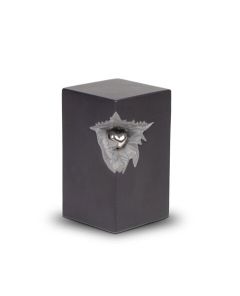 Ceramic keepsake urn with silver-coloured heart, matte black-grey299.00 £ VAT included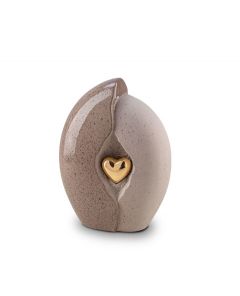
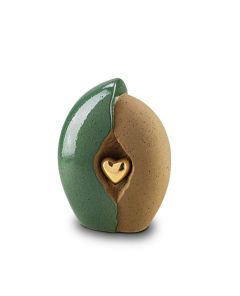
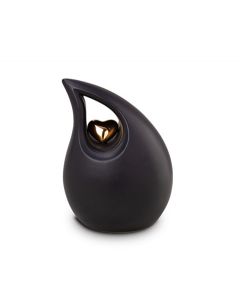
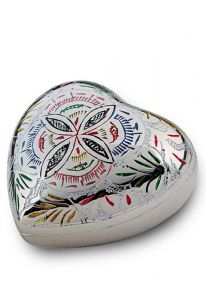
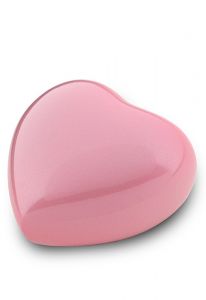 Cremation Ashes Keepsake urn 'Satori' Heart | mother of pearl pink105.00 £ VAT included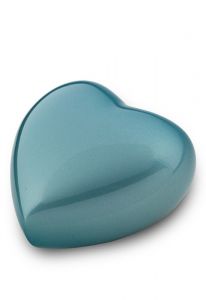
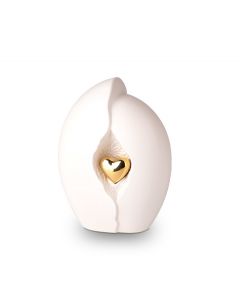
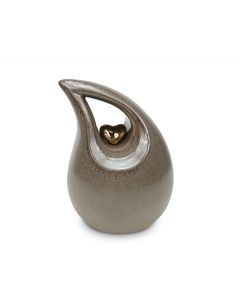
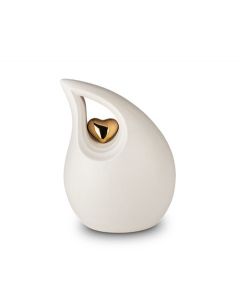 White ceramic keepsake urn 'Teardrop' with gold-coloured heart231.00 £ VAT included