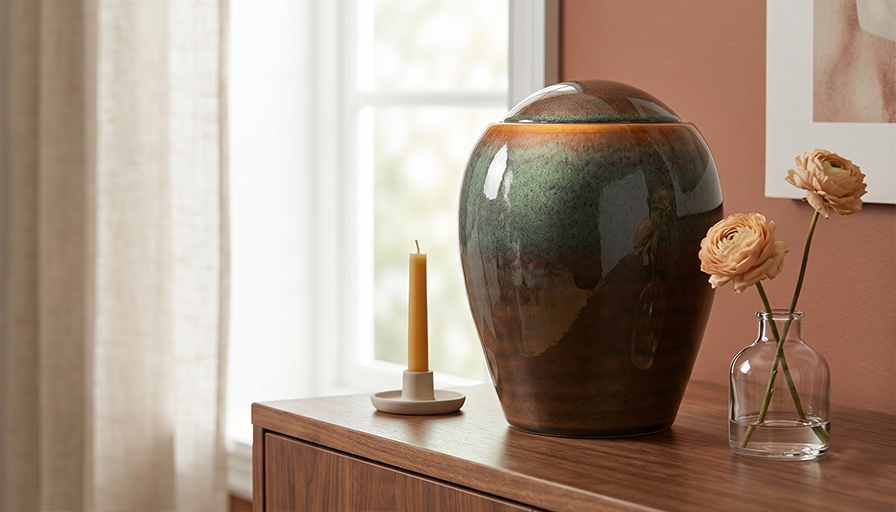
Creating a meaningful place for ashes at home
Many families in the UK choose to keep cremation ashes at home, either temporarily or as a lasting memorial. The right place does not need to be formal or prominent. It simply needs to feel safe, respectful and true to the person being remembered.
This guide focuses on choosing a safe and meaningful place in the home for a cremation urn. For more detailed ideas about styling, lighting and arranging a remembrance display, read our guide on how to display cremation urns for ashes at home.
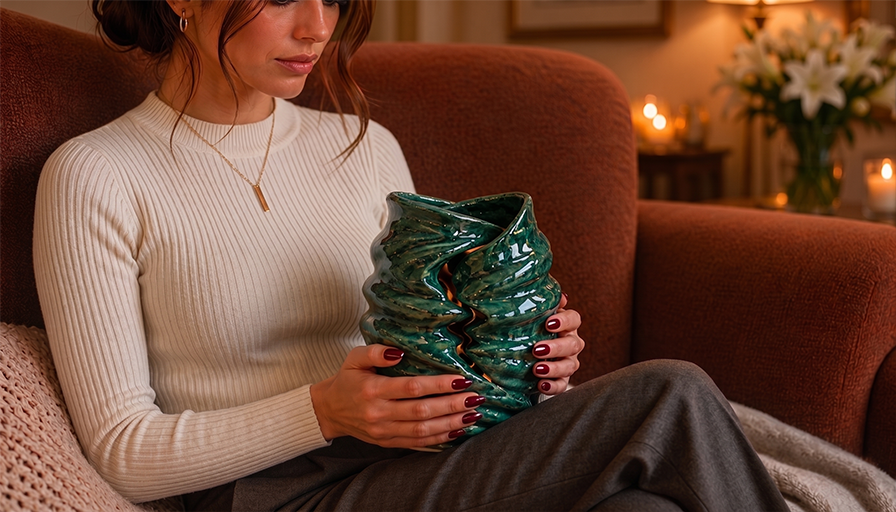
Before choosing a place: think about safety, stability, privacy and the material of the urn. A ceramic, glass or stone urn may need a more secure position than a metal or wooden urn. If children or pets are in the home, choose a place where the urn cannot easily be knocked over.
Why the place of an urn matters
Where you place an urn can affect how you experience the memorial in daily life. Some people want the urn visible, close and part of the home. Others prefer a more private place, such as a bedroom, display cabinet or quiet remembrance corner.
There is no single correct choice. A suitable place may be practical, emotional, symbolic or discreet. It may also change over time. Some families first keep the ashes in a temporary container while deciding whether to choose a cremation urn, keepsake urn, ashes jewellery, scattering or burial at a later moment.
7 meaningful places to keep a cremation urn at home
1. A mantelpiece or main shelf
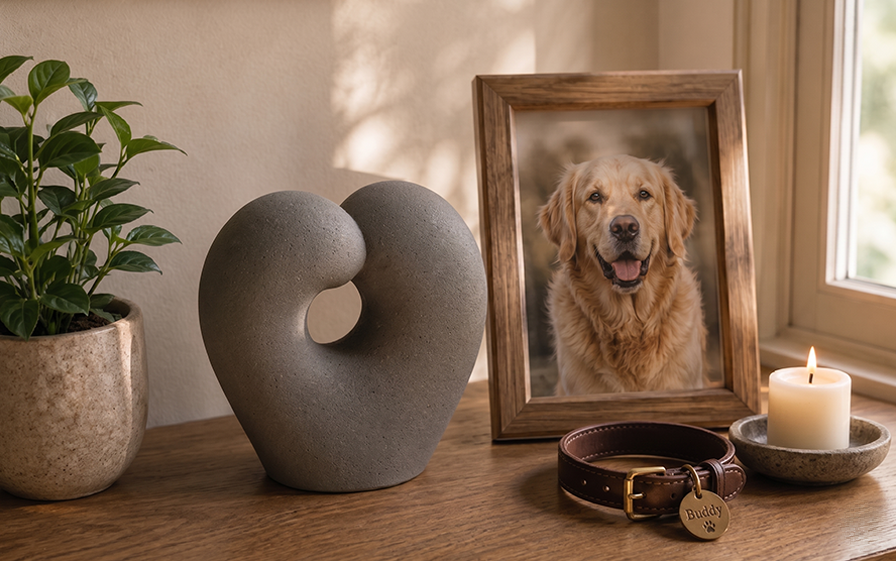
A mantelpiece, shelf or wall unit is one of the most common places to display a cremation urn. It can make the memorial visible without needing a separate room or dedicated space. Families often place the urn alongside a photograph, candle, flower, card or small personal object.
This works best when the surface is stable, dry and away from edges. Avoid placing fragile urns where they can easily be touched, moved or knocked.
2. A sideboard, cabinet or console table
A sideboard or console table can create a calm and dignified place for an urn. It gives enough space for a framed photo, small vase, memorial candle or keepsake. This can feel especially suitable in a living room, hallway or quiet corner of the home.
Choose a surface that is strong enough for the weight of the urn. Natural stone, bronze and some ceramic urns can be heavier than they look.
3. A display cabinet or glass cabinet
A display cabinet can be a good choice when you want the urn to remain visible but protected. It can help keep the urn safe from dust, pets, young children and accidental movement. This can be useful for fragile materials such as glass, ceramic, porcelain or hand-finished stone.
A cabinet also allows you to create a small remembrance display with a photo, memory box, keepsake urn or piece of memorial jewellery.
4. A bedroom or private room
Some people prefer to keep the urn in a bedroom or private room, especially when the relationship was very close. This can feel intimate, peaceful and personal. It may also be a good choice if not everyone in the household wants the urn in a shared living space.
If the room is used daily, choose a place that feels calm rather than crowded. A bedside table may feel meaningful to some families, while others prefer a higher shelf or cabinet.
5. A quiet remembrance corner
A remembrance corner can be created in almost any room. It may include the urn, a candle, photograph, letter, flower, small ornament or another object that reflects the person’s life. This does not need to be large. Even a small corner can become a meaningful place to pause and remember.
When using candles, keep flame safety in mind. Battery candles or LED memorial lights can be a safer choice near an urn, photo frame or flowers.
6. A home office, reading room or study
For some families, a home office, study or reading space feels right because it is quiet and used for reflection. This can be a good option when the person loved books, writing, music, study or a particular hobby.
Try to avoid placing the urn near open windows, radiators, damp walls or direct sunlight. These conditions can affect some materials over time, especially wood, certain finishes and delicate decorative surfaces.
7. A discreet closed cabinet or memory box area
Not every memorial has to be visible. Some families prefer a discreet place, such as a closed cabinet, wardrobe shelf or memory box area. This can be especially suitable if the ashes are being kept temporarily, if family members grieve differently or if a visible urn feels too emotional.
A discreet place can still be meaningful. The value lies in the care and intention behind the choice, not in how visible the urn is.
Helpful thought: the place you choose now does not have to be permanent. Many families move an urn later, choose a different urn, divide the ashes into keepsakes or decide on scattering, burial or a columbarium after more time has passed.
Practical things to consider before placing an urn
A meaningful place should also be practical. Before deciding, check the room, surface and material of the urn.
Stability
Use a flat, secure surface. Avoid narrow shelves, unstable furniture or places where the urn might be accidentally brushed against.
Children and pets
A higher shelf, closed cabinet or display cabinet can be safer if young children, cats, dogs or other pets are in the home.
Moisture and heat
Avoid bathrooms, damp rooms, radiators, fireplaces in active use and places with strong temperature changes.
Direct sunlight
Sunlight can affect some materials and finishes over time. A bright room is fine, but direct daily sunlight may not be ideal.
Should an urn be visible or private?
This is a personal choice. A visible urn may bring comfort because the person feels present in daily life. A private place may feel gentler if the loss is still very raw or if different family members have different needs.
If several people live in the home, it can help to talk about where the urn feels appropriate. Some families agree on a shared place. Others choose keepsake urns or ashes jewellery so more than one person can keep a symbolic amount of ashes close.
When home is not the final place
Keeping ashes at home can be temporary or permanent. Some families first bring the ashes home, then later choose a cemetery, columbarium, garden memorial, scattering location or keepsake option.
If you are considering a location outside your own home, always check the relevant permission and local rules. In the UK, you do not normally need permission to scatter ashes from a single cremation on your own land, but you should seek permission from the landowner if you wish to scatter ashes on someone else’s land. If ashes are scattered over water, consider the environment, wildlife and other users of the water.
Keeping ashes at home in the UK
A detailed guide to keeping cremation ashes at home, family considerations and possible later choices.
How to display an urn at home
Practical ideas for shelves, cabinets, private spaces, lighting and home remembrance.
Burying ashes in the garden
Guidance on garden burial, informal settings, permission and meaningful alternatives.
Where to place ashes or an urn
Our broader guide to home placement, cemetery, columbarium, garden, scattering and keepsakes.
Choosing the right urn for home placement
The right urn depends on where it will be placed, how visible it will be and whether it needs to be moved. For home placement, many materials can be suitable, including ceramic, wood, glass, metal, stone and biodegradable materials for temporary indoor keeping.
For a visible place, style, colour and finish may matter more. For a private cabinet or shelf, size and stability may be the most important factors. If the ashes may later be divided among relatives, you may also consider keepsake urns or ashes jewellery.
Cremation urns for ashes
Full-size urns for keeping ashes at home or choosing a lasting memorial place.
Keepsake urns
Small urns for a symbolic portion of ashes or shared remembrance.
Ashes jewellery
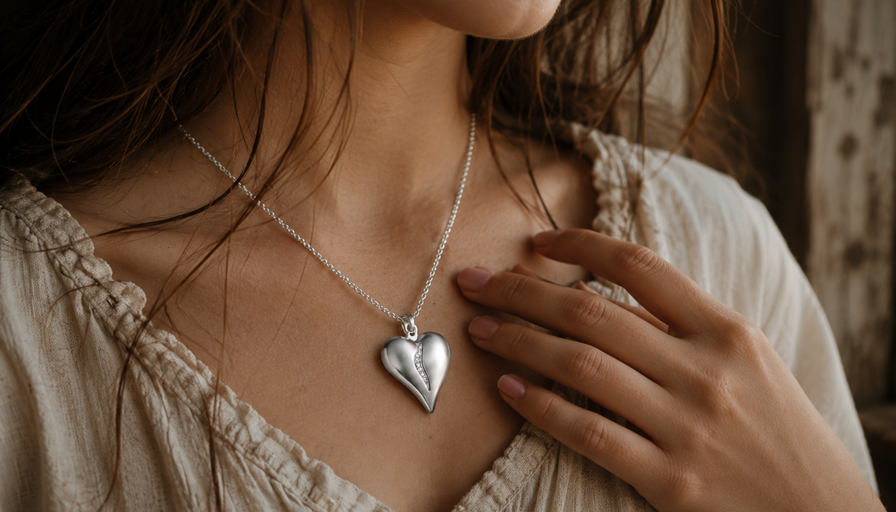
A discreet way to keep a small symbolic amount of ashes close.
Cremation urn advice
Guidance on urn size, ashes, keepsakes, jewellery and memorial choices.
Frequently asked questions about keeping a cremation urn at home
Where is the best place to put a cremation urn at home?
The best place is somewhere stable, dry, safe and meaningful. Common choices include a shelf, mantelpiece, sideboard, display cabinet, bedroom, study or quiet remembrance corner.
Is it okay to keep ashes at home in the UK?
Many families in the UK keep ashes at home, either temporarily or permanently. If you later want to scatter or bury ashes outside your own property, check permission and local guidance first.
Can I keep an urn in a bedroom?
Yes, if it feels right to you. A bedroom can be a private and comforting place, especially after the loss of a partner, parent or very close loved one.
Can I put an urn near a window?
It is better to avoid strong direct sunlight for long periods, especially for wooden urns, delicate finishes or decorative materials. A bright room is usually fine, but a protected position is better.
What is the safest place for an urn if I have children or pets?
A high shelf, enclosed display cabinet or closed cabinet can be safer than a low table or open shelf. This is especially important for fragile or heavy urns.
Can the urn be moved later?
Yes. Many families move the urn later or choose a different memorial option after more time has passed. The first place you choose does not have to be final.
Final thoughts
Choosing where to keep a cremation urn at home is both practical and emotional. The right place may be visible or private, simple or carefully arranged, temporary or permanent. What matters most is that it feels respectful, safe and meaningful to you and your family.
If you are choosing a cremation urn, keepsake urn or piece of ashes jewellery and would like guidance, please contact us. We will be happy to help with care and respect.