Isabel
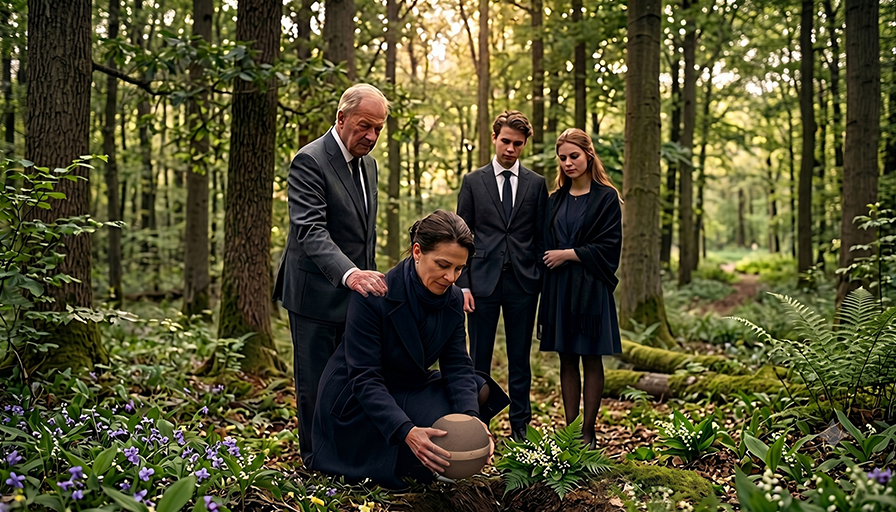
Can You Bury Ashes After Cremation in the UK?
For many families, the question of where ashes should rest becomes important only after the first days of grief and practical arrangements have passed. Burying ashes can offer a lasting place of remembrance, but in the UK the decision involves more than choosing a meaningful location. Permissions, land ownership, cemetery rules, urn materials and future access all play a role in creating a memorial that still feels right years later.
Why Wood Feels So Personal in Modern Memorials
A wooden urn is more than a natural alternative to metal, ceramic or stone. For many families, it offers a quieter and more personal way to keep a loved one close. The grain, texture and craftsmanship give each urn its own character, while the material itself often feels connected to nature, simplicity and continuity. As more people in the USA and the UK look for memorial choices that feel meaningful, discreet and environmentally conscious, wooden cremation urns have become a thoughtful option for both home display and carefully planned burial.
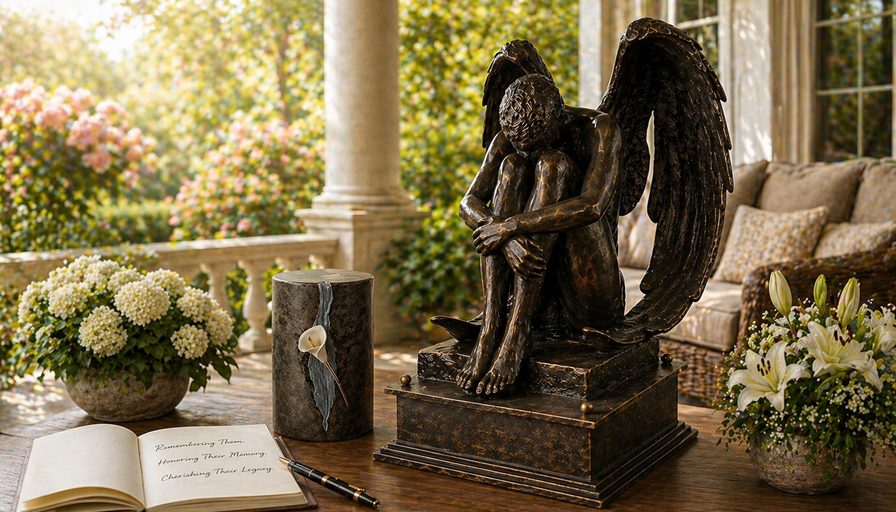
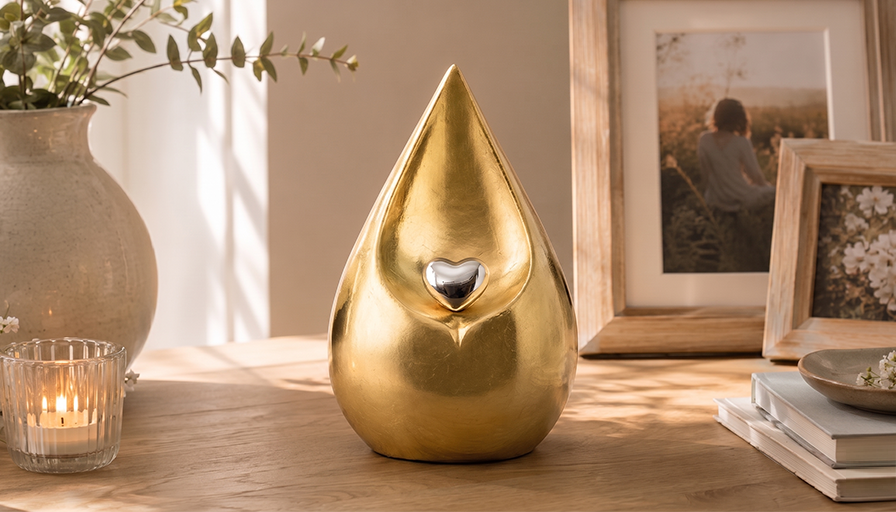
Traditional or Contemporary Urns? The Choice Is More Personal Than It Seems
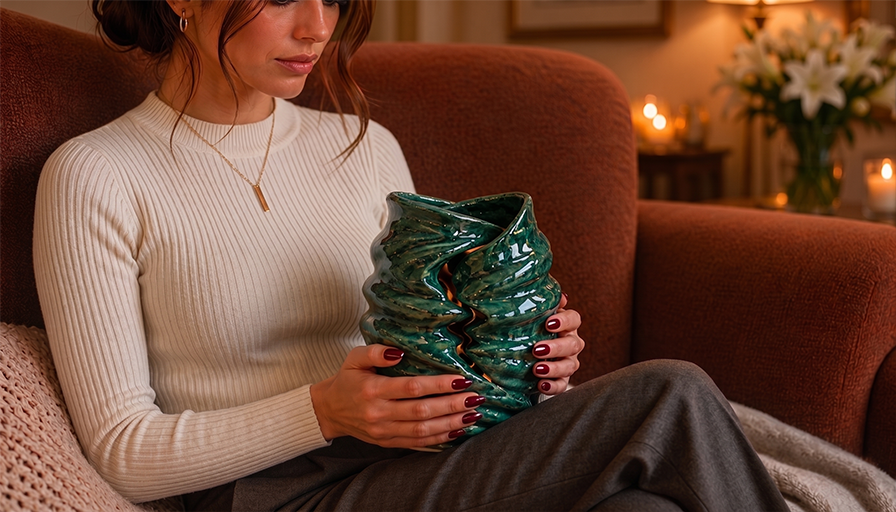
A cremation urn is often chosen at a moment when practical decisions and emotion come together. Yet the difference between a traditional and contemporary urn can shape how remembrance feels for years to come. Some families find comfort in a familiar, classic design, while others prefer a modern urn that feels more personal, discreet, or connected to the home. Understanding that difference makes it easier to choose an urn that truly fits the person, the setting, and the memory being preserved.

Seven Meaningful Ways to Scatter Ashes With Care and Intention
Scattering ashes is a deeply personal choice, often shaped by memory, place, and the kind of farewell a family wants to create. Some prefer a quiet moment close to home, while others choose a landscape, shoreline, or destination that carried meaning during life. This guide explores seven thoughtful ways to scatter ashes, with attention to both emotional significance and practical considerations. It is written to help families make a choice that feels fitting, respectful, and manageable.
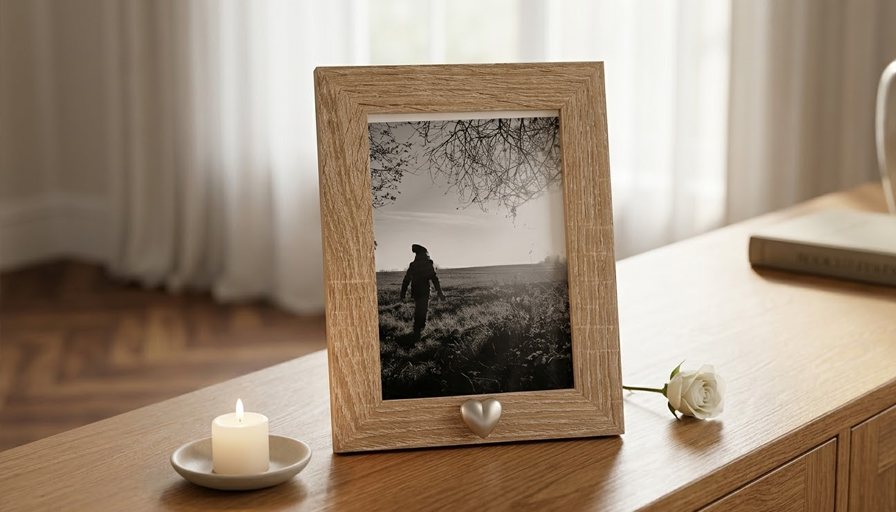
Photo Frame Urns, A Personal Memory on Display
Photo frame cremation urns appeal to many people because they bring image and remembrance together in a natural way. You are not only keeping a small amount of cremation ashes, but also giving a cherished photograph a place in the home. That makes this type of photo frame cremation urn personal, accessible, and comforting. At the same time, that combination also raises new questions. When is a photo frame cremation urn truly the right choice, what should you look at in terms of capacity and size, and does this type of model fit the way you want to remember someone?

How to Shop for Pet Urns Online: A Practical Guide to Art Urns
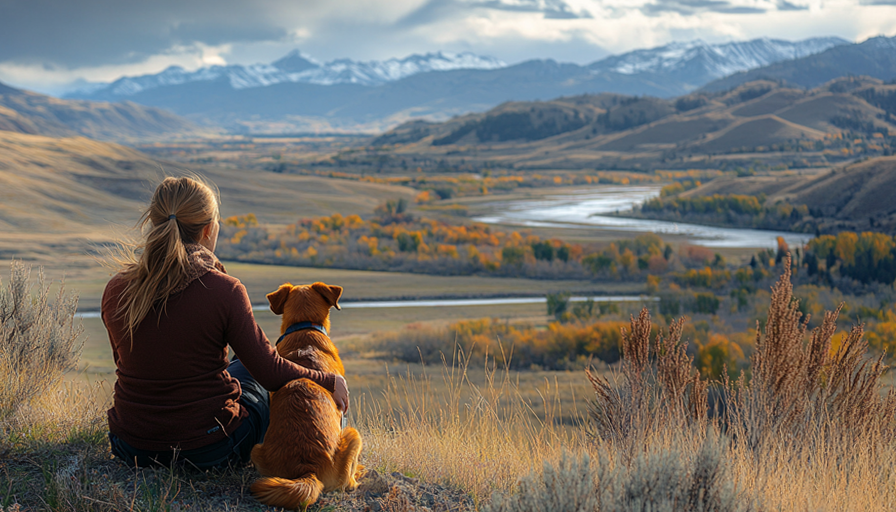
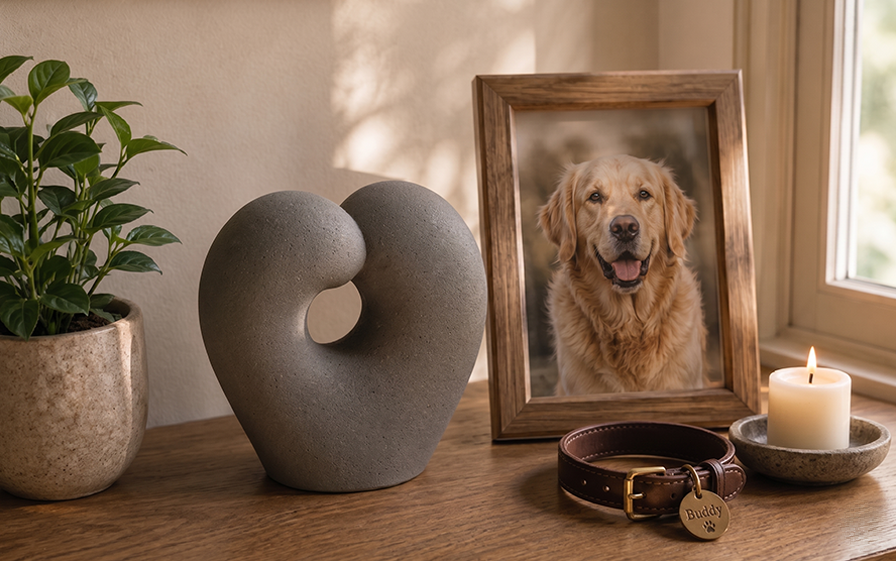
Choosing a pet urn is one of the quieter decisions families make after a loss. More people now shop online because it offers time, privacy, and access to home friendly designs that are not always available locally. This guide explains what to check first (size, placement, materials, and closure methods) and introduces five art style urn options that sit naturally in a home, for families in both the United Kingdom and the United States.
When Home Becomes the Memorial: Ten Gentle Ways to Honour a Life Well Lived
More families are choosing to say goodbye at home, not because it is simpler, but because it feels truer. A home memorial turns familiar rooms into a place of comfort, where stories surface naturally, silence is allowed, and grief can be held without formality. With a few thoughtful choices, you can create a gathering that feels calm and meaningful for guests, while protecting your own emotional energy. This guide shares ten practical, compassionate ways to host a home memorial that honours a life well lived, from setting the tone and shaping a gentle flow, to creating a tribute space and supporting loved ones who are grieving.

When Words Outlive Us: Why More People Are Leaving Messages for the Ones They Love
In a time when much of life is lived in the present, an increasing number of people are quietly thinking ahead. Not in terms of possessions or formal arrangements, but in words. Letters, voice recordings, and handwritten notes meant to be discovered later, after a loss has occurred. These messages are not written out of fear, but out of care. They reflect a growing awareness that what loved ones often miss most is not what was owned, but what was never said. Leaving a message has become a deeply personal way to remain present in the lives of those who will one day have to continue without you.
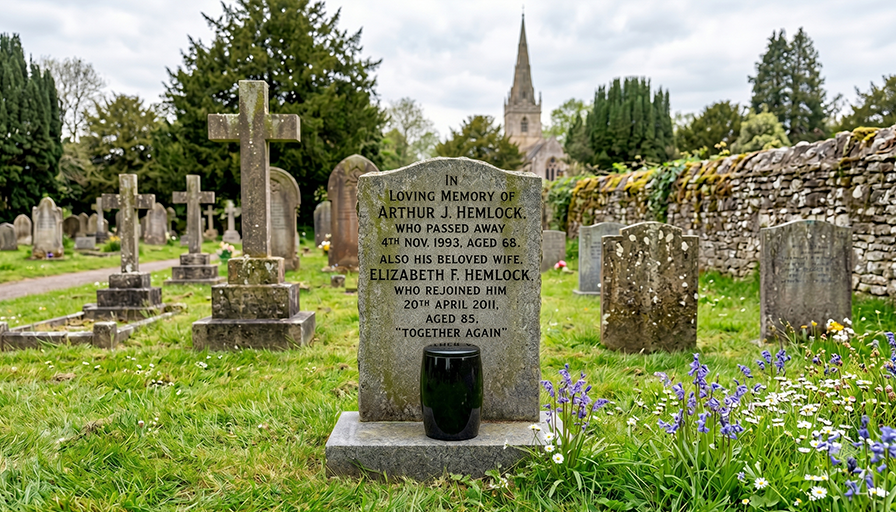
Urns and ashes in cemeteries: what families need to know
After a cremation, the question of where the ashes should rest can feel both practical and deeply personal. Many families choose a cemetery, churchyard, cremation plot or columbarium niche because it offers a permanent place to visit and remember. Yet every cemetery has its own rules. Before buying an urn, it is worth checking the allowed size, material, grave rights, plaque options and whether the ashes will be buried, placed in a niche or shared among family members.
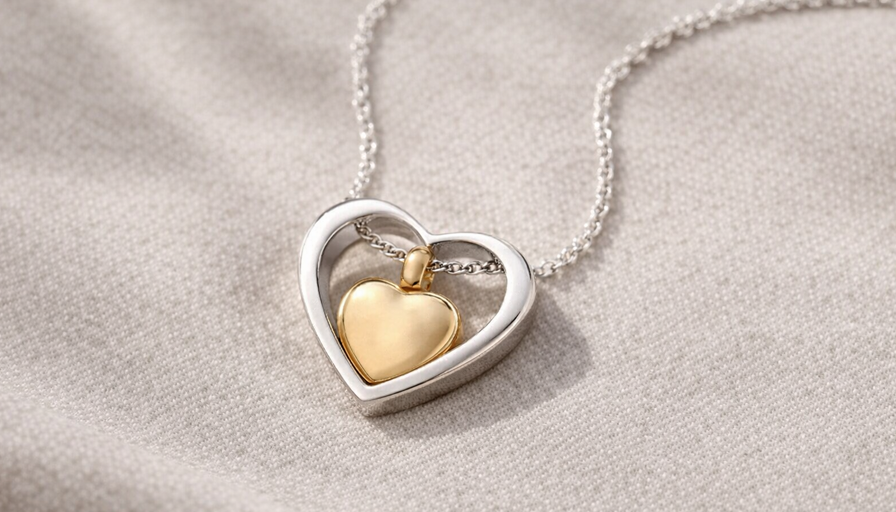
Dividing ashes after cremation in the UK
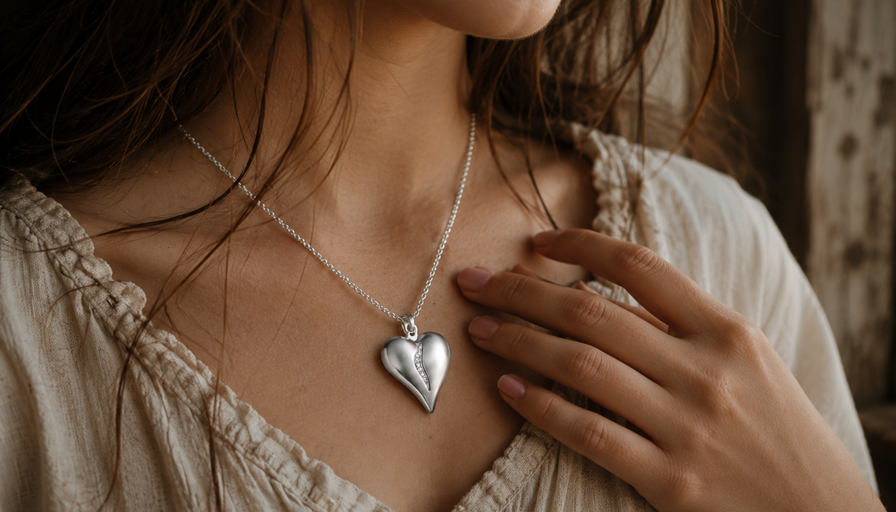
When families are faced with decisions about cremation ashes, questions often arise about what is possible, what feels right and how to proceed without rushing. Dividing ashes after cremation can allow different family wishes to be respected at the same time: one person may keep a small keepsake urn, another may choose ashes jewellery, and part of the ashes may be scattered or placed in a main urn. This UK guide explains the practical choices, family communication, keepsake options and careful handling of ashes, without presenting the decision as something that must be made immediately.