
Can you keep cremation ashes at home in the UK?
Yes, many families in the UK keep cremation ashes at home in an urn, keepsake urn or another memorial item. For some people, this feels like the most personal and comforting choice. For others, it is a temporary decision while they take time to think about scattering, burial, a columbarium niche, an urn grave or another final place of remembrance.
Keeping ashes at home is not only a practical question. It is also an emotional and family decision. The right choice depends on the wishes of the person who has died, the feelings of close relatives, the type of urn, the place in the home and any future plans for the ashes.
Is it allowed to keep cremation ashes at home in the UK?
In general, keeping cremation ashes at home in the UK is treated as a personal choice. Families often receive the ashes from the crematorium or funeral director and may then decide whether to keep them at home, scatter them, bury them, divide them, place them in a memorial setting or use a small amount in ashes jewellery.
It is still important to be cautious with wording. Procedures can differ between crematoria, funeral directors, cemeteries, churchyards, local authorities, airlines and memorial locations. If you plan to bury, scatter, place, transport or send ashes later, always check the relevant requirements before making arrangements.
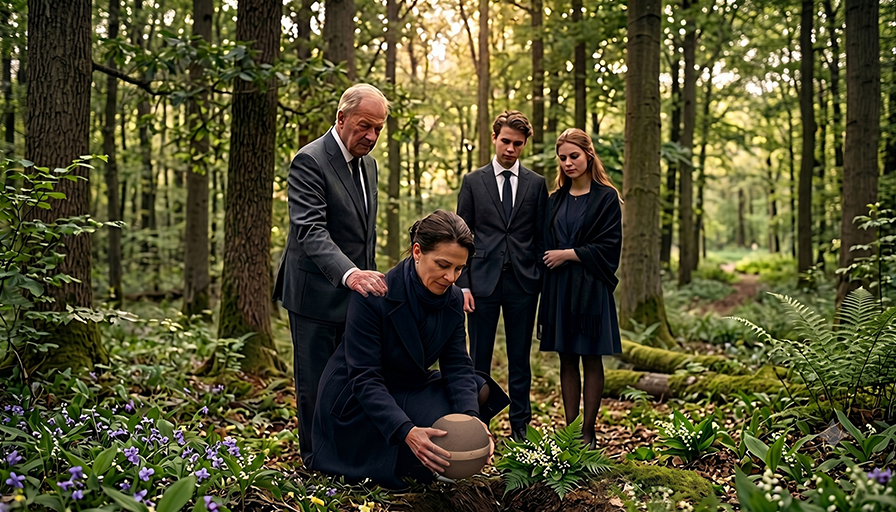
If ashes are to be scattered or buried on land that does not belong to you, ask permission from the landowner first. If ashes are scattered across surface water, the ceremony should be carried out respectfully and with care for the environment, wildlife and other water users.
Why do families keep ashes at home?
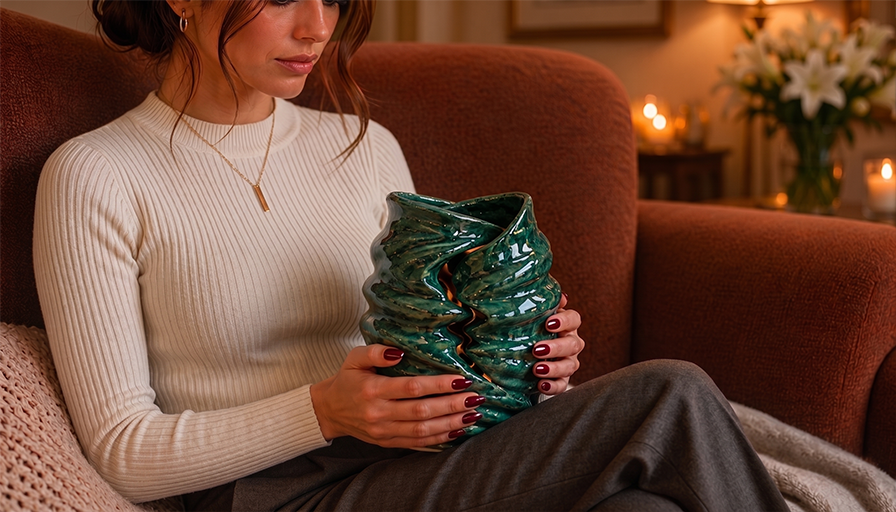
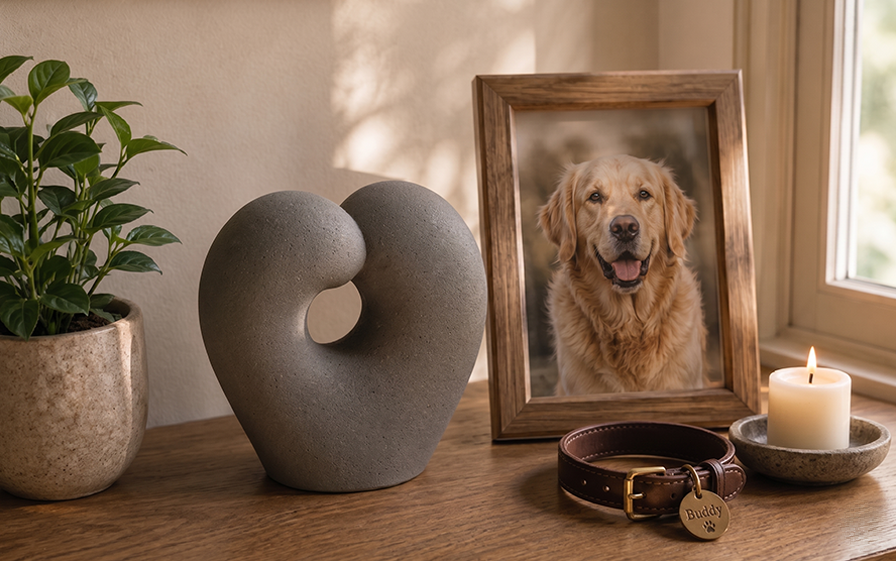
There are many reasons why a family may choose to keep an urn at home. For some, it brings a sense of closeness and continuity. The urn becomes part of a private remembrance space, perhaps with a photograph, candle, flowers or a personal object.
Others choose to keep ashes at home because they are not yet ready to make a final decision. This can be a gentle way to create time. There is no need to rush into scattering, burial or cemetery placement if the family still needs space to reflect.
Common reasons include:
- Closeness: the urn offers a continued sense of presence at home.
- Time: families can delay a final decision until they feel ready.
- Flexibility: ashes can later be scattered, buried, divided or placed elsewhere.
- Sharing: a portion of ashes may be placed in keepsake urns or ashes jewellery.
- Personal remembrance: the memorial can be shaped around the person’s life, character and wishes.
Choosing an urn for ashes at home
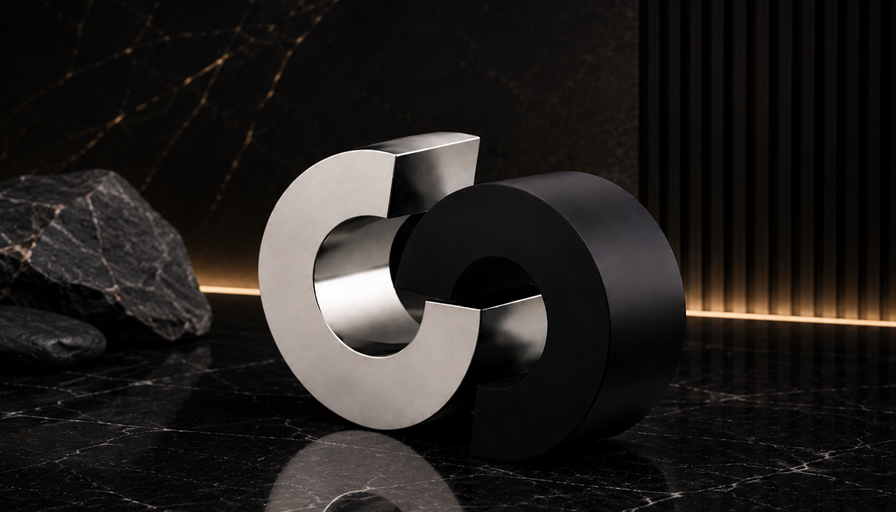
If the ashes will be kept at home, the urn should feel suitable for both the person being remembered and the place where it will stand. Some families choose a visible decorative urn, while others prefer a more discreet design that blends into the home.
When choosing an urn for home display, consider:
- Capacity: make sure the urn has enough room for the amount of ashes.
- Material: ceramic, wood, bronze, metal, glass, stone and biodegradable materials all have a different appearance and practical use.
- Stability: choose a stable place, especially if there are children or pets in the home.
- Closure: check whether the urn has a screw lid, bottom closure, sealable lid or another closing method.
- Style: the urn may be classic, modern, natural, artistic, discreet or symbolic.
You can view suitable urns for ashes, keepsake urns and ashes jewellery if you would like to compare different ways of keeping ashes close.
Where should you place an urn at home?
The best place for an urn is personal. Some families choose a living room, bedroom, study, remembrance corner or shelf with photographs. Others prefer a private cabinet or a quieter place that is not immediately visible to visitors.
Practical points to consider include:
- keep the urn away from moisture, strong heat and direct sunlight where possible;
- place the urn on a stable surface;
- avoid busy places where it could be knocked over;
- think about whether the urn should be visible or private;
- consider how other family members feel about the chosen place.
A home memorial does not need to be large. A simple urn, a photograph and a candle can be enough. The most important point is that the place feels respectful and manageable for the people living there.
What if family members disagree?
Keeping ashes at home can be comforting for one person and difficult for another. Some family members may want a fixed public memorial place, while others may prefer the privacy of the home. These differences are normal.
If possible, talk openly before making a final decision. It may help to consider a shared solution, such as a main urn at home, a small keepsake urn for another relative, ashes jewellery, or later placement in a cemetery, churchyard, columbarium or urn grave.
When the person who died left clear wishes, those wishes should be taken seriously. If no wishes were recorded, the family may need to agree on the choice that feels most respectful and practical.
Keepsake urns and ashes jewellery
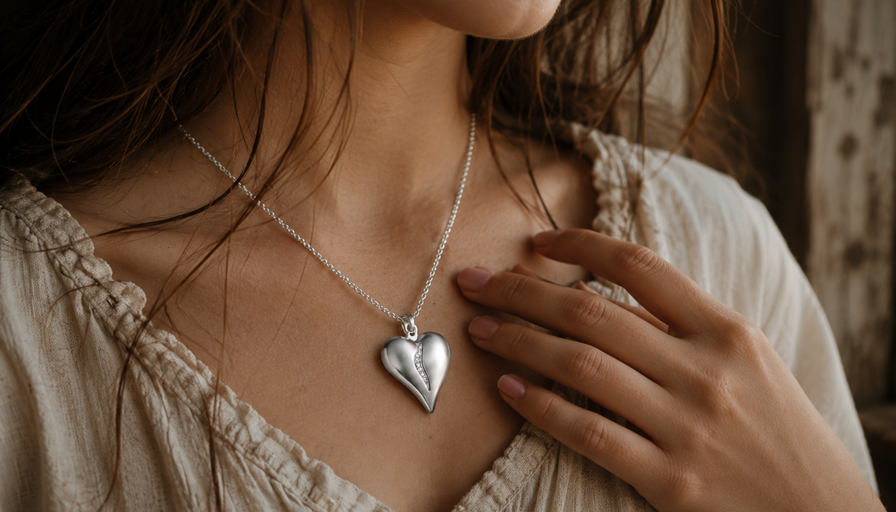
Keeping all ashes in one urn is not the only option. Some families divide a small amount of ashes between several remembrance items. A keepsake urn can hold a small portion of ashes, while ashes jewellery can hold a symbolic amount in a pendant, ring, bracelet or charm.
This can be helpful when relatives live in different places or when several people want a personal memorial. It can also be combined with a main urn, scattering ceremony, burial or columbarium placement.
Can you change your mind later?
Yes. Keeping ashes at home does not have to be permanent. Some families keep an urn at home for weeks, months or years before deciding on another destination. Others keep the urn at home permanently because that feels right.
If you later decide on another memorial choice, options may include:
- scattering ashes in a meaningful place, with permission where needed;
- burying ashes in a cemetery, churchyard, urn grave or private place where permitted;
- placing an urn in a columbarium, urn wall or memorial area;
- dividing a small amount into keepsake urns or ashes jewellery;
- choosing a garden memorial or outdoor urn if suitable.
For more ideas, read our advice about what to do with ashes after cremation or visit our cremation urns advice hub.
Long-term practical considerations
If you keep ashes at home, it is wise to think ahead. This does not need to be done immediately, but it can prevent uncertainty later.
- Moving house: decide how the urn will be packed and transported safely.
- Documentation: keep the cremation certificate and any related papers in a safe place.
- Future wishes: consider writing down what should happen to the ashes later.
- Inheritance: if ashes are to remain in the family, make sure someone knows your wishes.
- Final placement: check requirements in advance if the ashes may later be buried, scattered, placed or taken abroad.
Finally: a personal choice made with care
Keeping cremation ashes at home in the UK is a personal choice that many families find comforting. It can create a private place of remembrance and give you time to decide what feels right in the longer term.
Choose an urn that suits the ashes, the home and the person being remembered. Speak with family members where possible, keep important documents safe and check local requirements if the ashes will later be scattered, buried, placed, transported or divided.
Since 2007, legendURN has helped families choose urns for ashes, keepsake urns, ashes jewellery, pet urns and memorial products with care and understanding. If you need help choosing an urn for home, please contact us and we will be happy to think along with you.