Answer first: can ashes be divided after cremation in the UK?
Yes, many families in the UK divide ashes after cremation. This may be done so that part of the ashes can be kept in a main urn, part can be placed in keepsake urns, part can be used in ashes jewellery and part can be scattered in a meaningful place. The most important points are to communicate clearly within the family, ask the crematorium or funeral director how the ashes can be divided, and check permission if any ashes will later be scattered or buried somewhere specific.
Ashes should be handled carefully and respectfully. If family members have different wishes, dividing ashes can be a practical compromise, but it is best not to rush the decision.
Dividing ashes after cremation: what families should know
Dividing cremation ashes is a common and practical choice for many families. It makes it possible to honour different wishes at the same time. One person may want to keep an urn at home, another may prefer a small keepsake urn, and another may find comfort in ashes jewellery or a later scattering ceremony.
Some families make this decision soon after the cremation. Others wait weeks, months or even years. Ashes can be kept securely while everyone takes time to think. There is no need to decide immediately if the family is not ready.
What are cremation ashes?
Cremation ashes are not usually a fine powder in the way many people imagine. After cremation, bone fragments are processed into a granular material, often with a texture similar to coarse sand. This is why ashes have weight, volume and texture, and why urn capacity matters.
An adult’s ashes are often around 3 to 3.5 litres in volume, although this can vary. If you are choosing an urn, keepsake urn or ashes jewellery, check the capacity of the product before dividing the ashes. For more guidance, read how much ash is left after cremation and what size urn you need.
Why families choose to divide ashes
Different wishes within one family
It is common for relatives to have different needs. One person may feel comforted by keeping ashes close at home, while another may prefer scattering in nature or placing ashes in a cemetery or columbarium. Dividing ashes can allow several wishes to be respected.
Family members living in different places
Families often live far apart. A shared memorial place is not always practical for everyone. Keepsake urns and ashes jewellery can give relatives in different locations a personal way to remember the person who has died.
Combining scattering and keeping ashes
Many families scatter part of the ashes and keep part in a main urn, small keepsake urn or jewellery item. This can be a gentle balance between a final ceremony and an ongoing personal remembrance.
Family consent and communication
Before ashes are divided, it is wise to talk with the people most closely involved. The person arranging the cremation, executor where relevant, next of kin and close relatives may all have strong feelings about what should happen.
Try to discuss:
- whether the person who died left wishes about their ashes;
- who should receive a portion of ashes;
- whether any ashes will be scattered, buried or placed elsewhere;
- how much should be kept in a main urn;
- whether keepsake urns or ashes jewellery are appropriate;
- who will keep records of where the ashes have gone.
This conversation can be emotional, but it can also prevent confusion later. If the family does not agree, it may be better to pause and keep the ashes safely until a calmer decision can be made.
Can the crematorium or funeral director divide ashes?
Many funeral directors and crematoria can help transfer or divide ashes into separate containers, especially if you ask in advance. This can be useful when the family wants several keepsake urns, an urn for home, or small portions for ashes jewellery.
Ask what is possible before collection. Some crematoria or funeral directors may be able to place ashes into supplied urns, keepsake containers or temporary containers. Others may provide the ashes in one container and ask the family to arrange the transfer later.
How to divide ashes carefully
If the family chooses to divide ashes themselves, work slowly and carefully. Choose a clean, quiet indoor space, avoid draughts, and place a large sheet of paper or clean cloth under the containers. A small scoop, spoon and funnel can help reduce spillage.
Before you begin, decide:
- how many portions are needed;
- which container will hold the main amount;
- whether equal portions are important;
- which items need only a symbolic amount;
- whether any portion should be kept aside for future use.
Seal every container carefully according to the product instructions. If you are unsure, ask a funeral director, crematorium or experienced professional for help.
Keepsake urns for sharing ashes
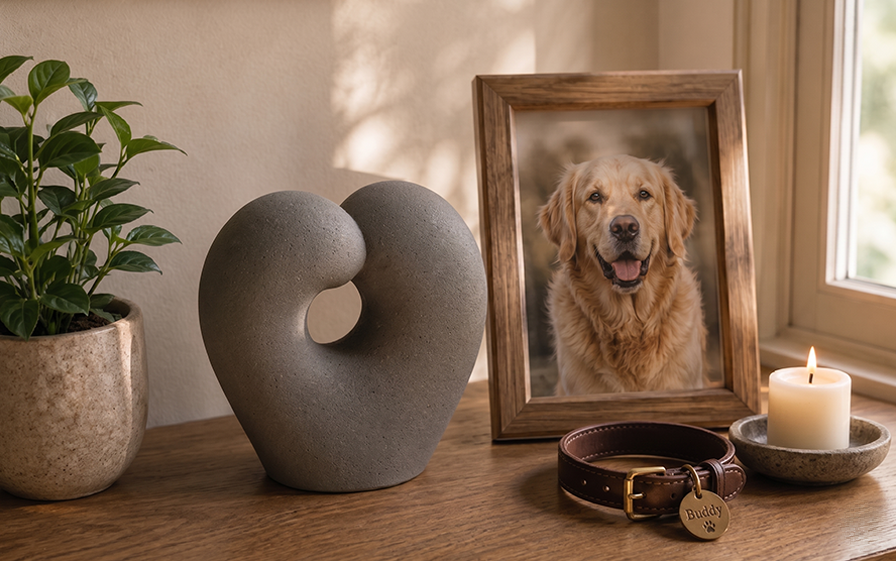
Keepsake urns are small urns designed to hold a portion of ashes rather than the full amount. They are often chosen when ashes are shared between relatives or when part of the ashes will be scattered and part kept at home.
Keepsake urns can be useful when several family members want a physical memorial. Some families choose matching keepsakes for a sense of unity, while others choose different designs that reflect each person’s relationship with the person who has died.
Ashes jewellery: a small symbolic portion
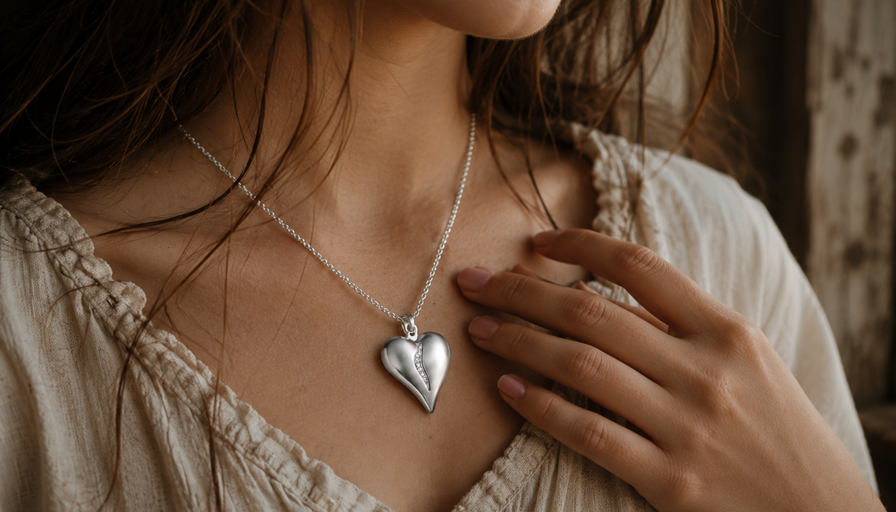
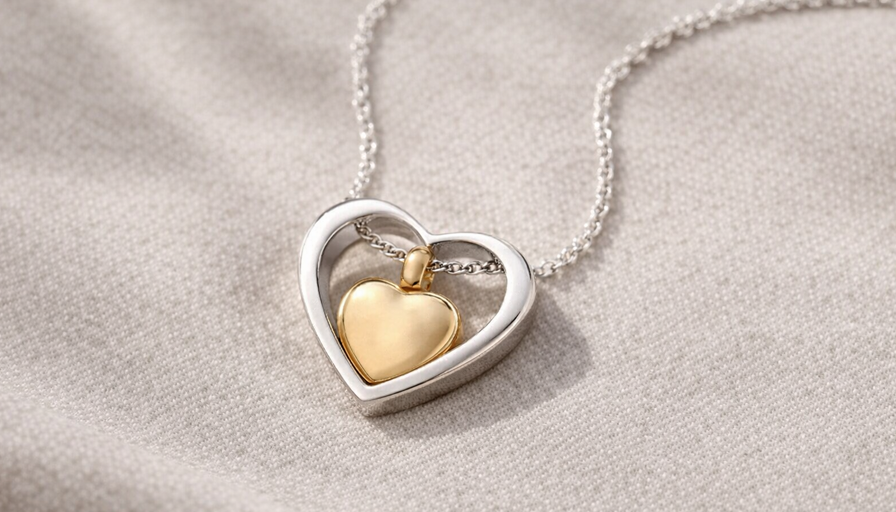
Ashes jewellery usually holds only a very small symbolic amount of ashes. This may be a pendant, bracelet, ring or charm with a tiny inner compartment.
Because the opening is small, ashes jewellery requires careful filling. Many families prefer to ask a funeral director, jeweller or specialist to help. If you fill the jewellery yourself, use a fine funnel and follow the product instructions closely.
Scattering some ashes and keeping some
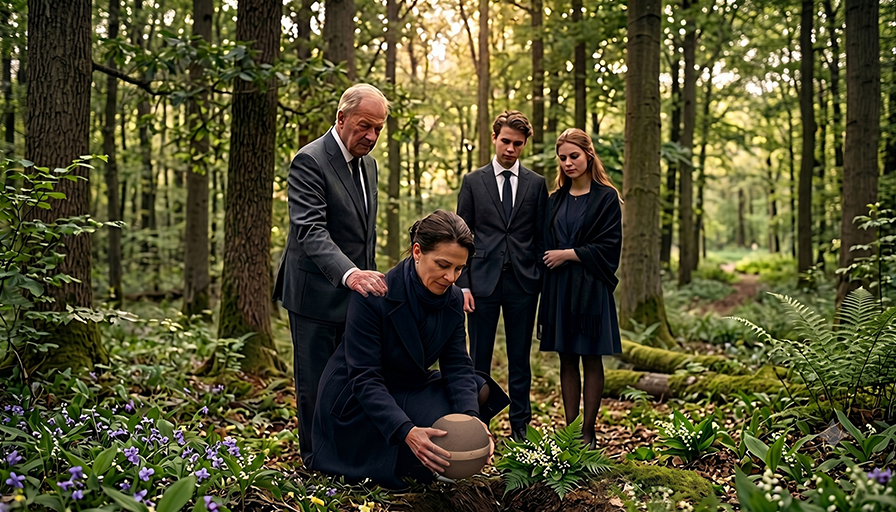
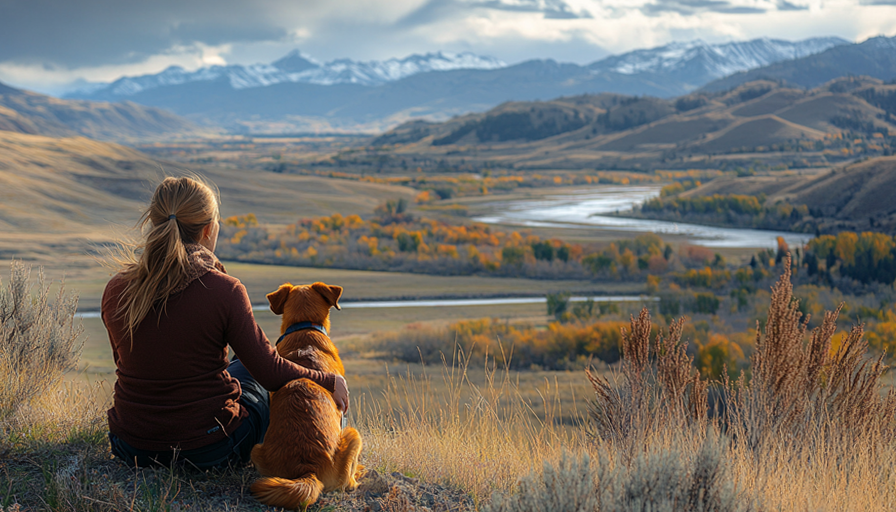
Scattering does not have to involve all the ashes. Many families scatter a portion in a meaningful place and keep another portion in an urn or keepsake. This can be especially helpful when some relatives want a place-based farewell and others want a memorial item close to home.
If ashes will be scattered, check the location first. On land that is not yours, ask the landowner or managing authority for permission. Cemeteries, churchyards, crematoria, parks, woodlands and coastal areas may all have their own rules. For more information, read our guide to scattering ashes in the UK.
Common mistakes to avoid
Rushing the decision
There is rarely a need to divide ashes immediately. Taking time can prevent regret and give family members space to talk.
Choosing containers that are too small
Keepsake urns and jewellery hold very different amounts. Check the capacity before dividing the ashes.
Forgetting future needs
Some families later want ashes for jewellery, a memorial service or another relative. Keeping a small reserve portion can avoid having to reopen a main urn.
Scattering without permission
Permission and local requirements matter. Always check the location before scattering or burying ashes.
A calm conclusion
Dividing ashes after cremation can be a thoughtful way to respect different wishes within a family. It allows a main urn, keepsake urns, ashes jewellery and scattering to exist alongside each other, without forcing one single choice.
Since 2007, legendURN has helped families choose urns for ashes, keepsake urns, ashes jewellery and memorial products with care and understanding. If you need help choosing a suitable urn or keepsake, you can visit our advice hub or contact us for personal guidance.
Frequently asked questions about dividing ashes in the UK
Can ashes be divided after cremation?
Yes, many families divide ashes after cremation. Ask the crematorium or funeral director how this can be done carefully and whether they can help.
How much ash is needed for ashes jewellery?
Ashes jewellery usually needs only a very small symbolic amount, often less than a teaspoon, depending on the design.
Can some ashes be scattered and some kept?
Yes. Many families scatter some ashes and keep the rest in a main urn, keepsake urn or jewellery item.
Should the family agree before ashes are divided?
Clear family communication is strongly recommended. It can prevent misunderstandings and help everyone feel respected.
Can ashes be divided years later?
Yes. Ashes can be divided later if they have been stored securely in a dry, closed container.