Cremation ashes destination

The Tattoo That Endures: A Tattoo Urn as a Lasting Tribute
Some images are never lost. A butterfly delicately resting on a shoulder, a rose symbolising love, or a motif that brought strength in difficult times. Tattoos are far more than ink; they tell stories and carry emotions. When a loved one passes away, a tattoo urn – an urn hand-painted in the design of a tattoo – can offer comfort. It makes the memory tangible and keeps the symbolism alive. No longer on the skin, but in an object that remains.

Ash Scattering in Europe - A Complete Overview
Scattering cremation ashes is a meaningful ritual for saying goodbye to a loved one. However, the rules and traditions surrounding ash scattering vary significantly across European countries. In this blog, we take you on an in-depth journey through Europe, exploring the specific legal requirements and cultural customs of each country.

Football cremation urn for ashes – A special tribute for every football fan
With this unique football urn for ashes, you can give a beloved football fan a personal and lasting tribute. The urn featuring their own club logo reflects a life filled with passion and connection to the sport.

Collecting Cremation Ashes in the UK: What to Expect
The period following a cremation is deeply emotional, but it also comes with practical decisions that must be made. One of the most important is deciding what to do with your loved one’s ashes. In the United Kingdom, there are specific laws and procedures surrounding the release and collection of cremated remains. This guide will help you understand how and when you can collect the ashes—and what to consider before doing so.

Memories Preserved: 8 Unique Ash Keepsakes to Honor a Loved One
Discover 8 meaningful ways to preserve a loved one’s ashes—from wearable memorial jewelry to living tree tributes. Thoughtful, lasting keepsakes that honor life and memory.
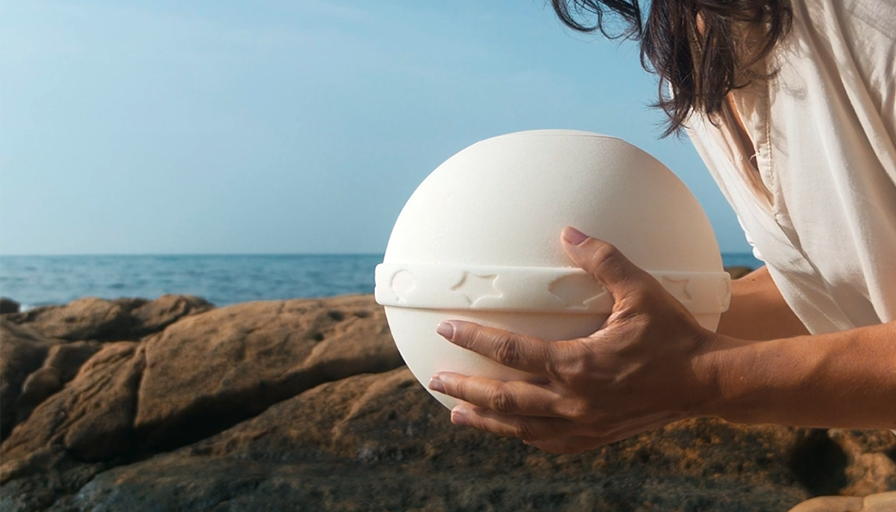
What’s the Difference Between Biodegradable Urns and Traditional Cremation Urns?
Choosing an urn is a deeply personal decision—one that reflects not only how we wish to remember a loved one, but also our values, beliefs, and connection to the world around us. In today’s evolving memorial landscape, families are increasingly faced with a meaningful choice: a traditional urn made from enduring materials, or a biodegradable urn designed to return gracefully to nature. While both serve to honor and hold the ashes of someone dear, they differ significantly in purpose, material, symbolism, and environmental impact. This article explores those differences in depth, helping you make a choice that feels right—whether you seek lasting remembrance or a gentle return to the earth.

Can an Urn Be Personalised, Customised or Engraved?
From engraved names and heartfelt messages to intricate artwork and bespoke craftsmanship, today’s cremation urns offer a wide range of personalisation options. Whether you’re looking for a subtle detail or a bold tribute, this guide walks you through the materials, methods, and meaningful choices available to you.

Keeping cremation ashes at home in the UK
In the UK, many families choose to keep a loved one’s ashes at home after cremation. For some, an urn at home brings comfort and a continued sense of closeness. For others, it is a temporary choice while they decide whether to scatter, bury, divide or place the ashes in a cemetery, churchyard, columbarium or memorial area. This guide explains the practical, emotional and local considerations when keeping cremation ashes at home, and what to check before choosing a final place of remembrance.
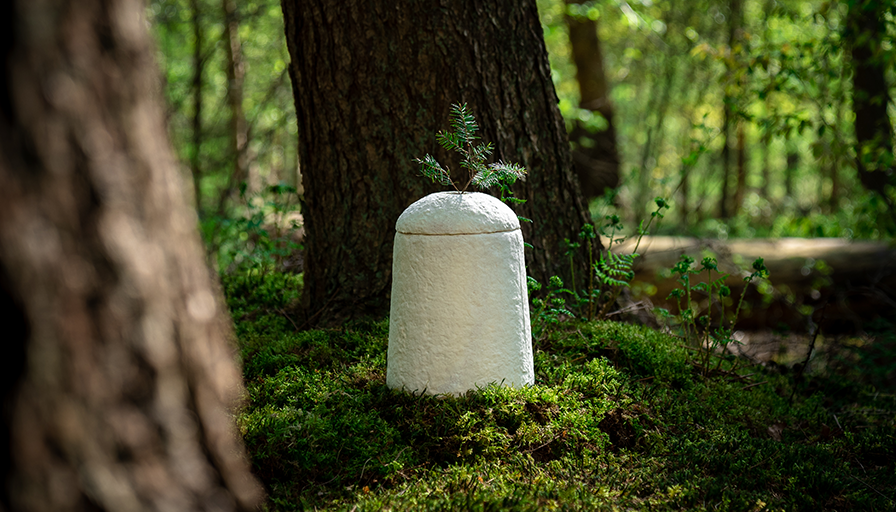
Sustainable Farewells: A New Beginning for People and Nature
More and more people are seeking a way to shape their final resting place in harmony with nature. Instead of traditional coffins and urns, they opt for biodegradable alternatives that enrich the earth rather than burden it. In this article, you’ll discover how sustainable funeral innovations contribute to a greener farewell – one that honours life, even after death.

Do UK Cemeteries Have Specific Urn Requirements?
When choosing a final resting place for cremated ashes, many families in the UK turn to cemeteries for a meaningful and lasting tribute. But unlike keeping an urn at home or scattering ashes, placing an urn in a cemetery comes with specific rules. From size and materials to placement options and religious considerations, each cemetery may have its own set of requirements. In this guide, we explore everything you need to know to ensure your chosen urn meets the standards of UK cemeteries, helping you navigate this important part of the memorial process with clarity and care.