
Placing Ashes in an Urn Grave or Memorial Place
Placing ashes in an urn grave or memorial place
After a cremation, many families eventually face a very personal question: where should the ashes have a lasting place? Some people choose to keep the urn at home. Others prefer a fixed and visitable memorial place, such as an urn grave, family grave, urn garden, memorial stone or urn monument.
A memorial stone, cover plate or piece of grave decoration can help turn that place into something personal. The right choice depends on your wishes, the chosen cemetery or crematorium, the local rules, the available space and the way you want to remember your loved one.
This page explains the most common options for placing an urn or ash container in a fixed memorial place, and what to check before making arrangements.
Which ash destination suits your situation?
If you are still deciding between keeping, burying, placing, scattering or creating a fixed memorial place, it can help to start with one question: where would you and other relatives like to be able to return to later?
- A fixed place at a cemetery? An urn grave, urn garden, memorial stone or urn monument may be suitable.
- Placing ashes with family? Ask the cemetery whether placing an urn in an existing family grave is possible.
- An above-ground memorial place? An urn garden or urn monument can offer a visible and visitable place.
- A personal text or name plate? Consider a memorial stone, cover plate or grave marker with engraving.
- Adding personal details? Grave decoration, a lantern, vase, sculpture or small memorial object can make the place more personal.
- Unsure about rules or size? Always ask the cemetery, crematorium, local authority or site manager before ordering.
Placing an urn in an urn grave
Many cemeteries and crematoria have urn graves. An urn grave is a grave specifically intended for placing one or more urns or ash containers. It may consist of a small underground chamber, urn vault or prepared space in the ground, often closed with a cover plate, memorial stone or small monument.
An urn grave gives relatives a clear and visitable place. This can be comforting when you do not want to keep the ashes at home, but do want a tangible memorial place nearby. A name, date, short text, symbol or image can often be added to the cover plate or memorial stone. The exact options differ by location.
Placing an urn in an existing family grave
In some situations, an urn or ash container can be placed in an existing family grave or private grave. Families may choose this when one partner has been buried and the other has been cremated, or when relatives wish to be remembered together in one place.
Whether this is possible depends on the grave rights, the person entitled to make decisions, the available space and the cemetery rules. Always contact the cemetery or site manager before arranging the placement of an urn. A funeral director can often help with the request and the practical arrangements.
Placing an urn in an urn garden or with an urn monument
Some cemeteries and crematoria have a dedicated urn garden. In an urn garden, urns may be placed above ground, partly above ground or in a specially designed memorial setting. This can be a good option for families who have chosen cremation, but still want a fixed memorial place at a cemetery or crematorium.
An urn monument, memorial stone or dedicated memorial object can hold or mark the urn, and may also offer space for a name, text, symbol or decorative element. For outdoor placement, material choice, weather resistance, fixing, stability and the rules of the cemetery or crematorium are important.
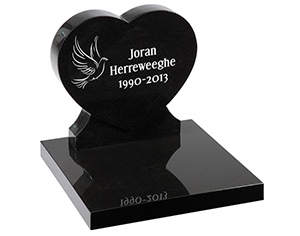
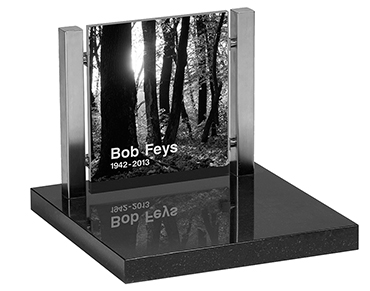
Urn monuments and memorials
For a fixed memorial place in an urn garden, cemetery, crematorium garden or urn grave.
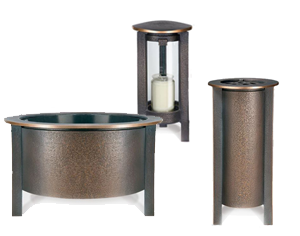
Grave decorations
For adding a personal touch to a grave, urn grave, urn garden or another memorial place.
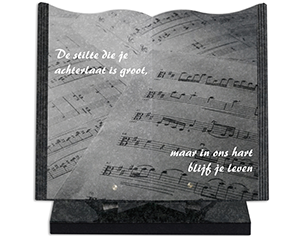
Memorial stones and markers
For adding a name, date, personal text or symbol to a grave, urn grave or remembrance place.
What should you check before placing an urn?
The practical rules for placing an urn or ash container are not the same everywhere. They can differ by cemetery, crematorium, local authority, churchyard, private burial ground and type of grave. Always check what is allowed before ordering an urn, memorial stone or monument.
- Ask whether placement in an urn grave, urn garden, columbarium, urn wall or family grave is possible.
- Check how many urns or ash containers may be placed in the chosen location.
- Ask for the permitted dimensions of the urn, monument, cover plate or memorial stone.
- Check which materials are suitable and allowed for outdoor placement.
- Ask whether engraving, text, images, symbols or grave decorations are permitted.
- Check who holds the grave rights and who is allowed to give permission.
- Ask about placement conditions, maintenance, administration, permissions and costs.
If you have not yet chosen an urn, view our collection of urns for ashes. If you first want to understand urn size, read our guide to how much ash is left after cremation and what size urn you need.
What does it cost to place an urn or ash container?
The cost of placing an urn or ash container can differ widely by cemetery, crematorium, local authority, churchyard and type of memorial place. It may depend on whether you choose an existing family grave, urn grave, urn garden, columbarium, urn wall or urn vault.
Costs may include grave rights, administration, maintenance, placement, engraving, a cover plate, memorial stone, urn monument or grave decoration. Because local fees can differ strongly, it is best to request a clear cost overview from the manager of the chosen location before making a final decision.
Creating a personal memorial place
An urn grave, urn monument or memorial stone is more than a practical place for ashes. It can become a place where relatives return, pause, place flowers, light a candle or stay connected in their own way.
Sometimes a simple cover plate with a name and dates is enough. In other cases, a more personal memorial may feel more appropriate, for example with a symbol, natural stone, bronze, ceramic, glass, a small sculpture or a shape that reflects something about the life of the person who has died. Small details, such as a lantern, vase or memorial figure, can also make the place more personal.
Further advice about urn placement and remembrance
These pages may help if you want to compare urns, understand urn size or explore other ways to give ashes a meaningful place.
Overview of possible ash destinations, including home, garden, columbarium, scattering and memorial places.
Practical guidance on urn capacity, ash volume and choosing the right urn size.
A helpful guide for choosing between materials, sizes, styles and memorial options.
Frequently asked questions about urn graves and memorial places
Can an urn be placed in an existing family grave?
In many cases this may be possible, but it depends on the grave rights, the person entitled to give permission, the available space and the cemetery rules. Always ask the cemetery or site manager first.
What is the difference between an urn grave and an urn monument?
An urn grave is the place where the urn or ash container is placed. An urn monument or memorial stone is the visible memorial object that may mark or hold that place.
Can an urn be placed above ground?
Yes, some cemeteries and crematoria allow above-ground placement in an urn garden or in combination with an urn monument. The possibilities differ by location.
Can I choose my own memorial stone or grave decoration?
Often you can choose a memorial stone, cover plate or decoration, but there may be rules about size, material, fixing, text, images and placement. Always check before ordering.
Which materials are suitable for outside?
Durable materials such as natural stone, bronze, stainless steel, selected ceramic, glass or other weather-resistant materials are often used outdoors. Always check whether the product is suitable for outside and permitted by the site manager.
Can a name, date or image be added to a memorial stone?
In many cases a name, date, personal text, symbol or image can be added. The exact options depend on the material, dimensions and the rules of the cemetery or crematorium.
Who can help arrange the placement of an urn?
A funeral director, cemetery manager or crematorium manager can often help with the practical request. For advice about urns, memorial stones and grave decorations, you can also contact legendURN.
Need advice about an urn grave, urn monument or memorial stone?
Are you unsure which form of ash destination suits your situation, or which urn, memorial stone or decoration is suitable for the chosen place? Please contact legendURN. We will be happy to help you think through the options, materials, dimensions and appearance of a personal memorial place.
