
Garden Urns for Ashes: Keeping Ashes in the Garden
Garden urns for ashes: keeping ashes in the garden
After a cremation, many families eventually face the question of where the ashes should have a lasting place. Some choose scattering, burial or placement in a columbarium. Others prefer a place close to home, where remembrance becomes part of everyday life.
A garden urn, outdoor urn, urn sculpture, water urn, biodegradable urn or small memorial stone can create a personal memorial place outside. It can be a quiet place to pause, place flowers, light a candle or simply feel close to someone you miss.
The right choice depends on the garden, the material, the amount of ashes, the desired appearance and whether the urn will be visible, sheltered, movable, buried or designed to return naturally to the earth.

Which garden urn suits your situation?
A garden urn can be clearly visible, but it can also be placed subtly among plants, by a tree, near a bench or in a quiet corner of the garden. Before choosing, think about the location, the material, the amount of ashes and whether the urn should remain movable.
- A visible memorial object? Choose an urn sculpture, memorial sculpture, memorial stone or dedicated memorial object.
- A subtle place in the garden? An outdoor urn on a stone base, among plants or near a tree may feel more natural.
- A natural ash destination? Consider a biodegradable urn or water urn, depending on the location and the intended meaning.
- A durable urn for outside? Look at bronze, stainless steel, natural stone, fibreglass, selected ceramic urns or other weather-resistant materials.
- Keeping all ashes? Always check urn capacity and compare it with the amount of ashes.
- Keeping only part of the ashes? A small outdoor urn, mini urn or discreet memorial object may be more suitable.
Would you like to compare suitable options? View our outdoor urns, urn sculptures, bronze urns, stainless steel urns stone urns, fibreglass urns or biodegradable urns.
Why choose an urn in the garden?
For some families, scattering ashes feels beautiful but very final. Once the ashes have been scattered, there may no longer be one tangible place where the ashes are still present. A garden urn offers a different form of remembrance. The ashes stay close, while the garden becomes a quiet place for reflection.
A garden memorial can also be more personal than a formal cemetery setting. You can choose the location, the plants, the object and the atmosphere. At the same time, it is important to think practically about weather, stability, material, maintenance, ownership of the ground and what should happen if the home is sold or the family moves.
Ways to place an urn in the garden
A garden urn does not always have to look like a traditional urn. Some families choose an urn sculpture because it feels more like art than a funeral object. Others prefer a clear memorial on a base, an outdoor urn in a sheltered place or a natural solution where the urn gradually becomes part of the garden.

Memorial stones and urn monuments
For a more permanent memorial place in a garden, urn garden, cemetery or dedicated remembrance setting.

Urn sculptures and art urns
For those who want an urn that feels like a sculpture, artwork or subtle memorial symbol.
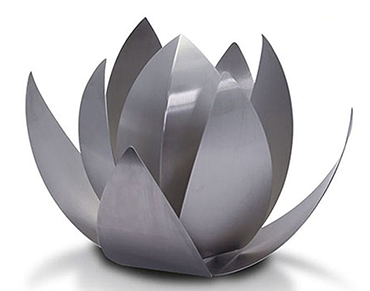
Stainless steel urns for outdoor placement
For a modern and durable appearance, provided the product is suitable for outdoor use.
Which materials are suitable for an outdoor urn?
Not every urn is suitable for long-term outdoor placement. A garden urn is exposed to moisture, frost, sunlight, wind, temperature changes and dirt from leaves, soil or rainwater. The material must therefore suit the place and the way the urn will be used.
Materials often chosen for outside include bronze, stainless steel, natural stone, fibreglass, selected ceramic urns, corten steel and specially designed memorial objects. Some ceramic urns are suitable for outdoor placement, but only when this is stated for the product. Other ceramic, glass, porcelain or wooden urns are better kept indoors or in a very sheltered place.
What should you check before placing an urn outside?
A garden urn is an emotional choice, but it is also a practical one. Check whether the urn suits the place, the amount of ashes and the outdoor conditions.
- Check whether the urn is suitable for outdoor placement.
- Check the capacity, especially if you want to keep all ashes in the urn.
- Choose a stable place, such as a stone slab, base, plinth or sheltered surface.
- Avoid locations where rainwater can collect around or inside the urn.
- Consider moisture, frost, sunlight, wind and regular maintenance.
- Do not permanently glue an outdoor urn to the surface without considering ventilation and frost risk.
- Ask for permission if the garden is rented, shared or not fully under your control.
- Think about what should happen if the property is sold or the family moves.
- If you may want to move the ashes later, choose an urn that can be handled or opened safely.
If you are unsure about urn size, read our guide to how much ash is left after cremation. For practical filling advice, see how to fill a cremation urn.
Water urns, biodegradable urns and natural memorial places
Some families do not want to keep the ashes permanently in a sealed urn. Instead, they prefer a natural ash destination where the urn gradually breaks down or the ashes slowly return to the earth or water. In that case, a biodegradable urn or water urn may be appropriate.
This choice asks for careful thought. Not every garden, soil type or location is suitable. It is also important that everyone involved understands the difference between keeping ashes in a durable outdoor urn and choosing a natural urn that is designed to break down over time.
If you want to keep a tangible part of the ashes, you can also place a portion in a keepsake urn, mini urn or ashes jewellery.
An urn sculpture as a quiet memorial in the garden
An urn sculpture can be a good choice when you want a memorial object that is not immediately recognisable as an urn. The object may take the form of a sculpture, animal, heart, bird, butterfly, abstract shape or symbolic design. In this way, the memory becomes part of the garden without feeling too formal.
For many families, that balance feels comforting. The garden remains a living place, but it also carries a deeper meaning. View our collection of art urns and sculpture urns.
Can you keep an urn in the garden?
In many situations in the UK and Ireland, ashes can be kept at home or in a private garden, but practical rules and permissions can differ. If the property is rented, shared or leasehold, or if the garden is managed by another person or organisation, always ask permission first.
If you want to bury ashes or scatter ashes in a garden, the situation can be different from simply placing a movable outdoor urn. Think about land ownership, future access, moving house, the wishes of other family members and whether the ashes may need to be moved later.
If the urn will not be placed in your own garden but in a cemetery, urn garden, crematorium garden or churchyard, always ask the site manager about rules for urn size, material, sealing, memorial stones and placement periods.
Further advice about garden urns and outdoor placement
These three articles are the most relevant next steps if you want more practical guidance about outdoor urns, materials and safe placement.
Ideas for creating an outdoor memorial place and choosing the right setting for a garden urn.
Practical advice on materials, weather, frost, moisture and urns that are better kept indoors.
Useful tips about ventilation, plastic feet, frost damage and safer ways to place an urn outside.
Frequently asked questions about garden urns
Can I place an urn in my own garden?
In many situations, families can keep an urn at home or in their garden. Always think about ownership of the ground, permissions, safety, weather resistance and what should happen if the property is sold or the family moves.
Which urn is suitable for outside?
An outdoor urn should be able to cope with moisture, frost, sunlight and temperature changes. Bronze, stainless steel, natural stone, fibreglass, selected ceramic urns and specially designed memorial objects may be suitable when the product description confirms outdoor use.
Can a garden urn be placed on a plinth or base?
Yes. A plinth, stone slab or stable base can give an urn or urn sculpture a clear and secure place. Make sure the base is suitable for outdoor use and that water can drain away.
What is the difference between a garden urn and a memorial stone?
A garden urn is an urn suitable for outdoor placement. A memorial stone or urn monument is usually a larger memorial object in which the ashes or urn have a fixed place. Both may be suitable for a garden, depending on design, material and location.
Can I keep part of the ashes in the garden and part somewhere else?
Yes. Many families divide ashes between a main urn, keepsake urns, mini urns, ashes jewellery or another memorial form. This allows one part to remain in the garden while another part stays with relatives.
Is a biodegradable urn suitable for a garden?
It can be, if you want the urn to break down naturally and the ashes to return gradually to the earth. Check how the urn works, how it should be placed and whether the choice fits your wishes for a lasting or temporary memorial.
What happens to a garden urn if I move house?
Think about this before choosing the final placement. If you expect to move in the future, a movable outdoor urn or urn sculpture may be more practical than a buried or fixed memorial.
Need advice about a garden urn?
Would you like to place an urn, water urn, outdoor urn, urn sculpture or memorial stone in the garden, but are unsure about material, capacity, maintenance or placement? Please contact legendURN. We will be happy to help you find a memorial option that suits your garden, your loved one and the way you wish to remember.
